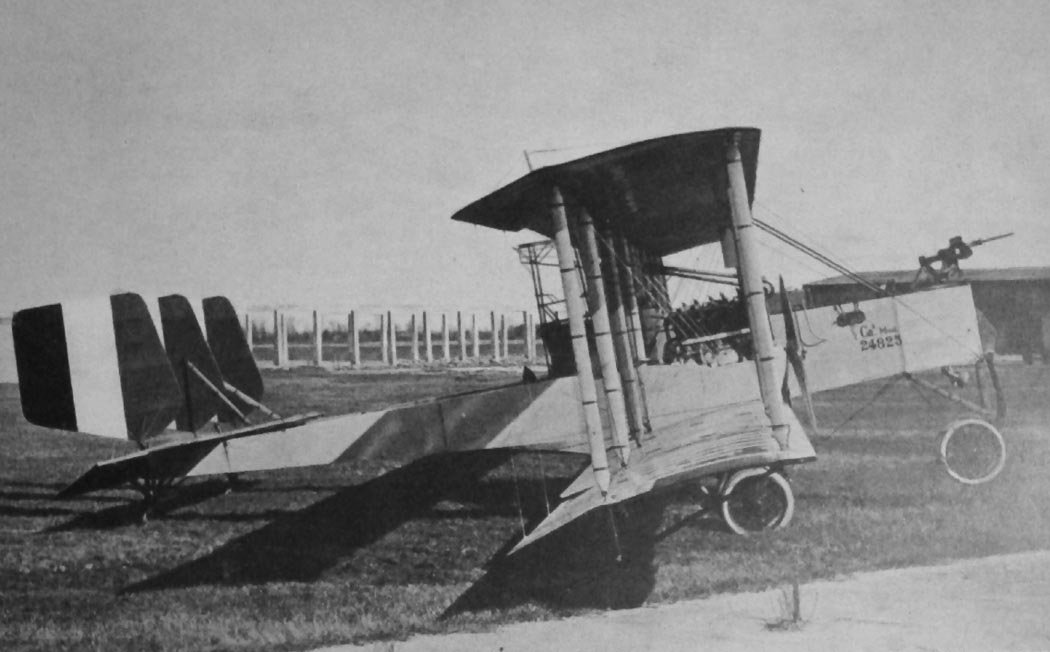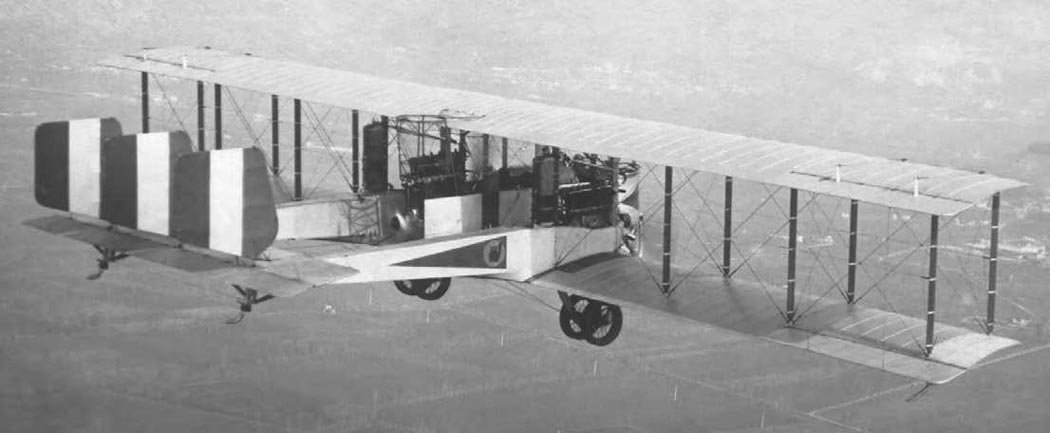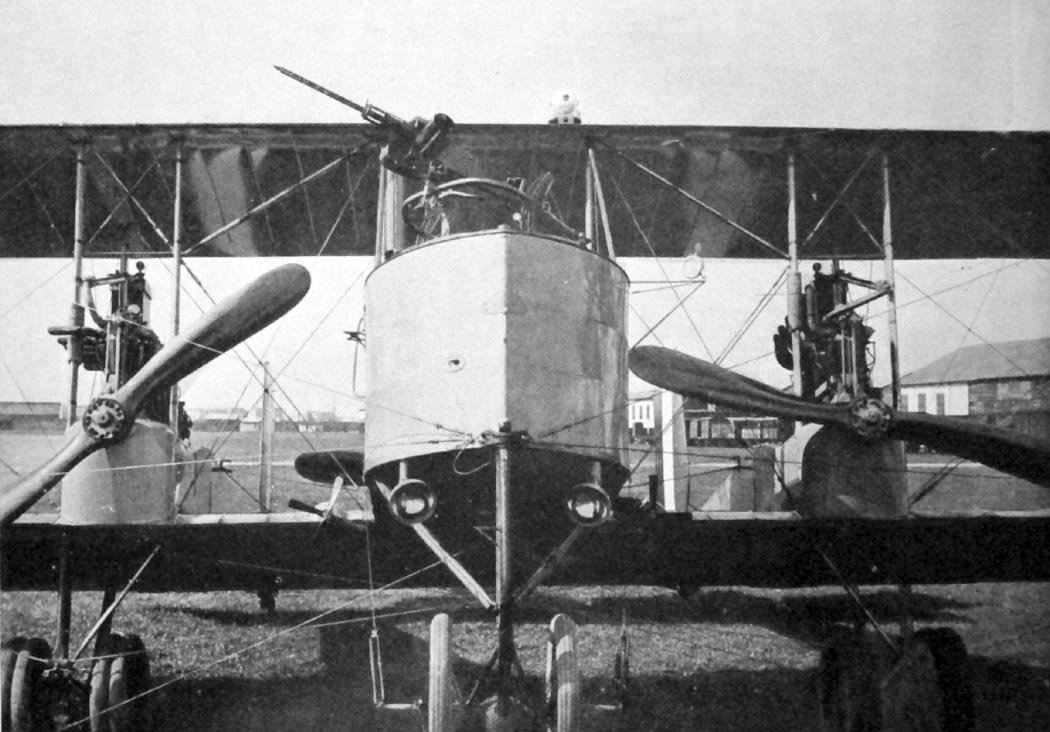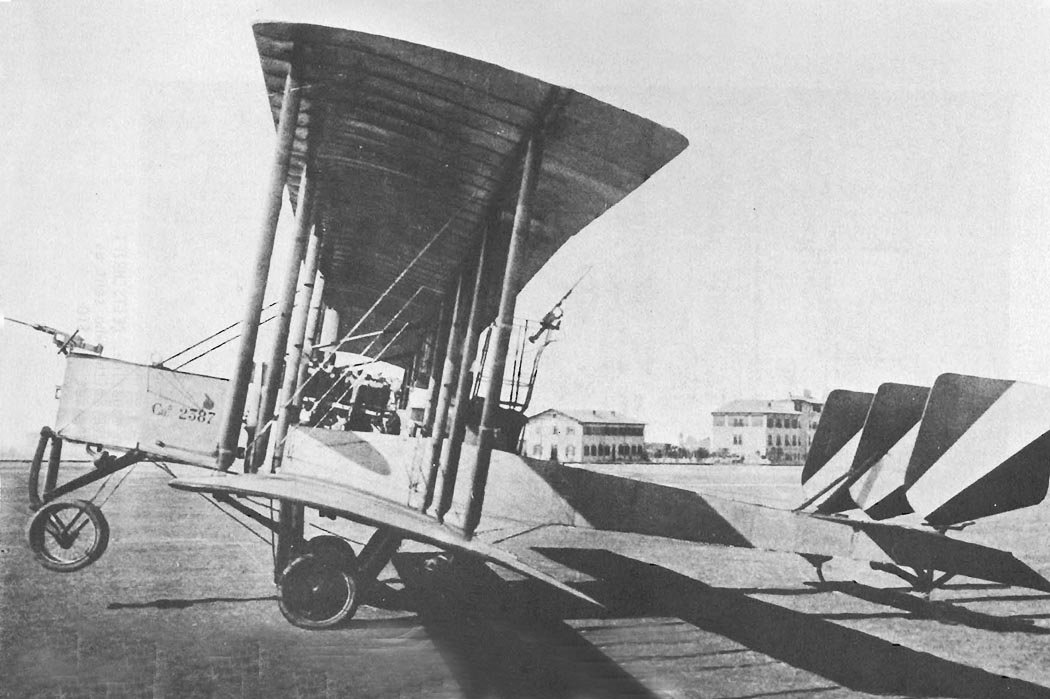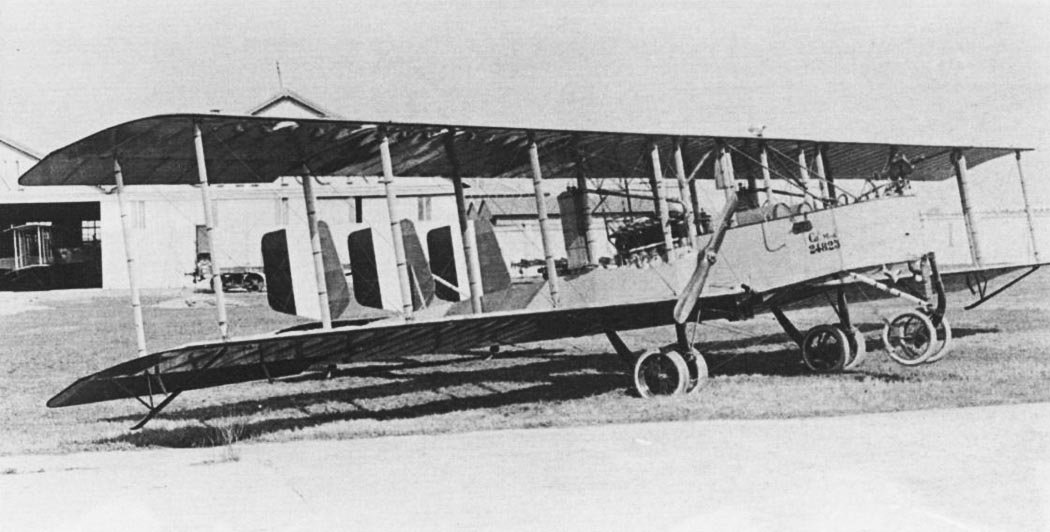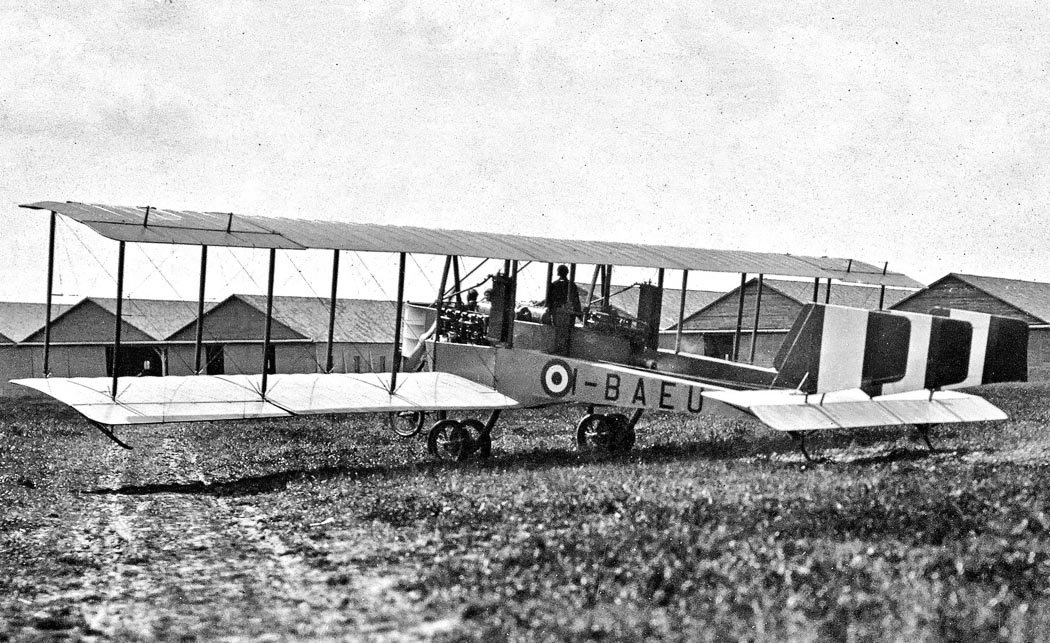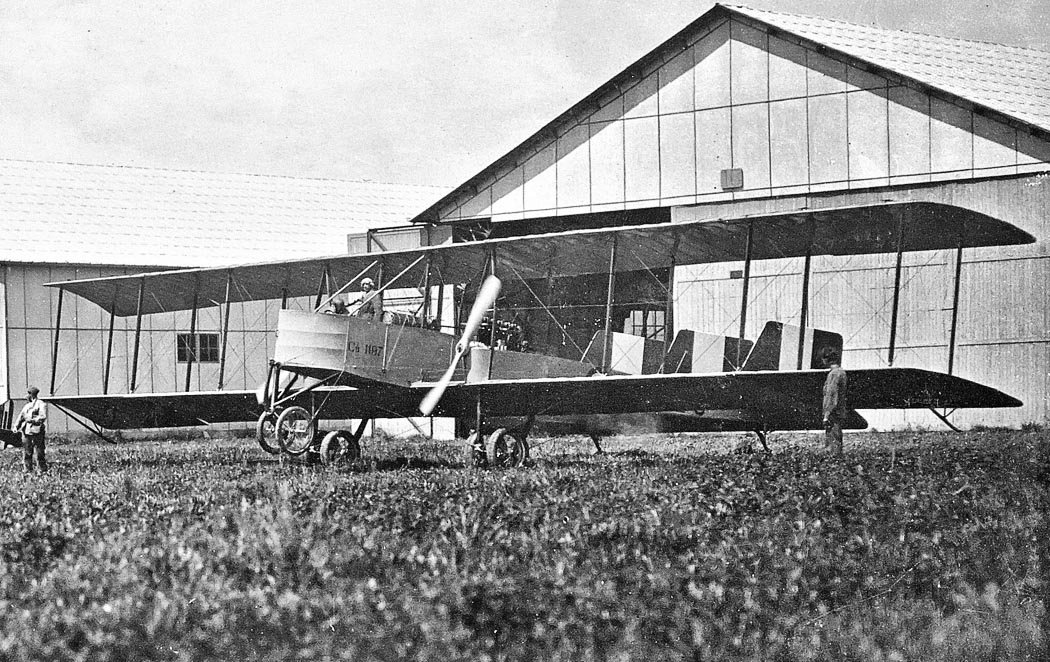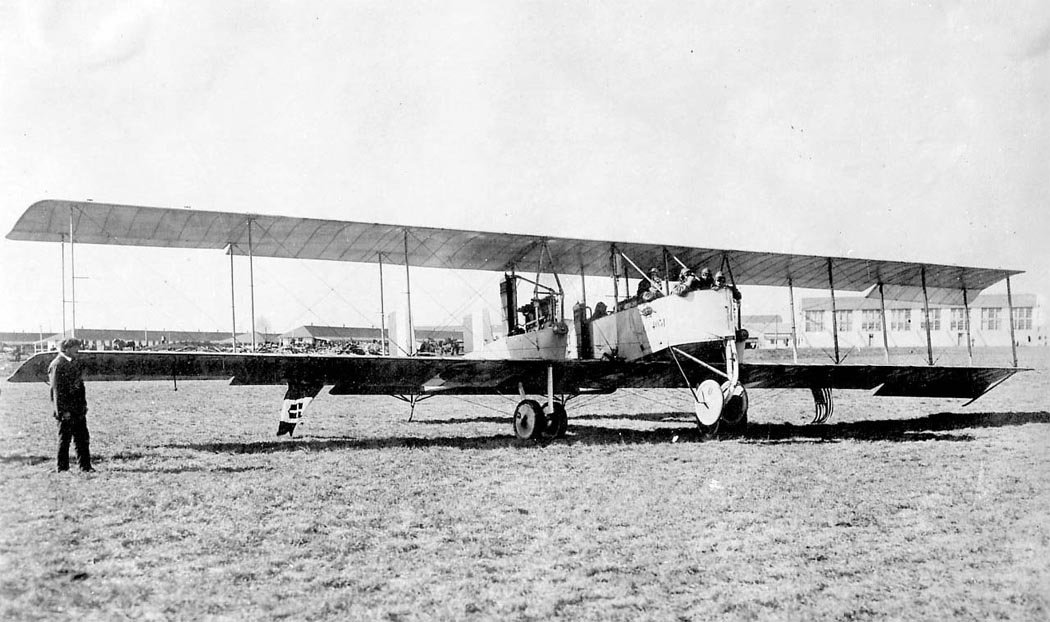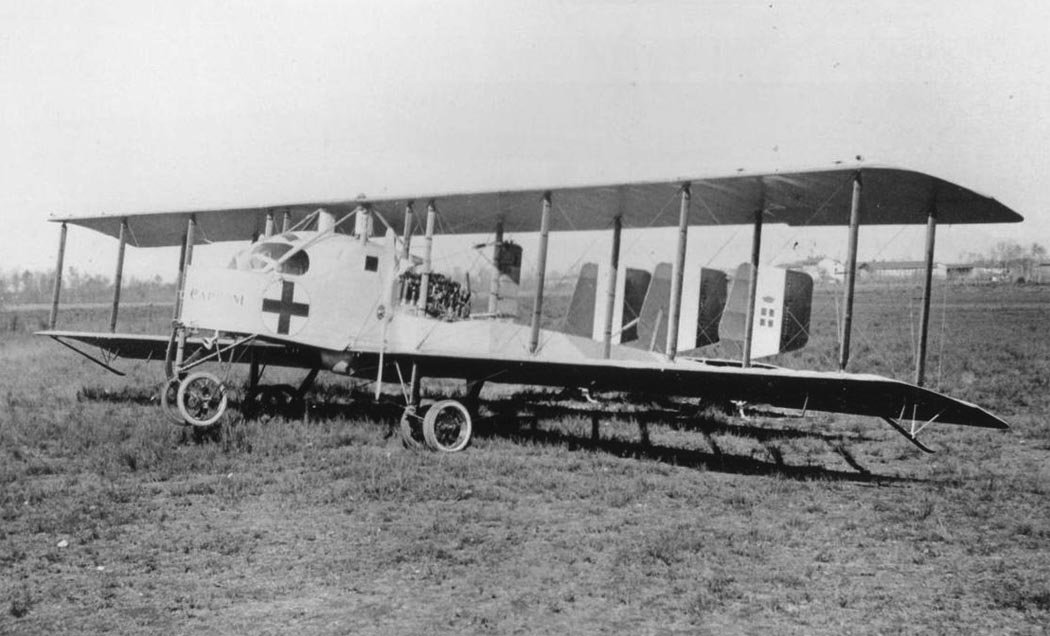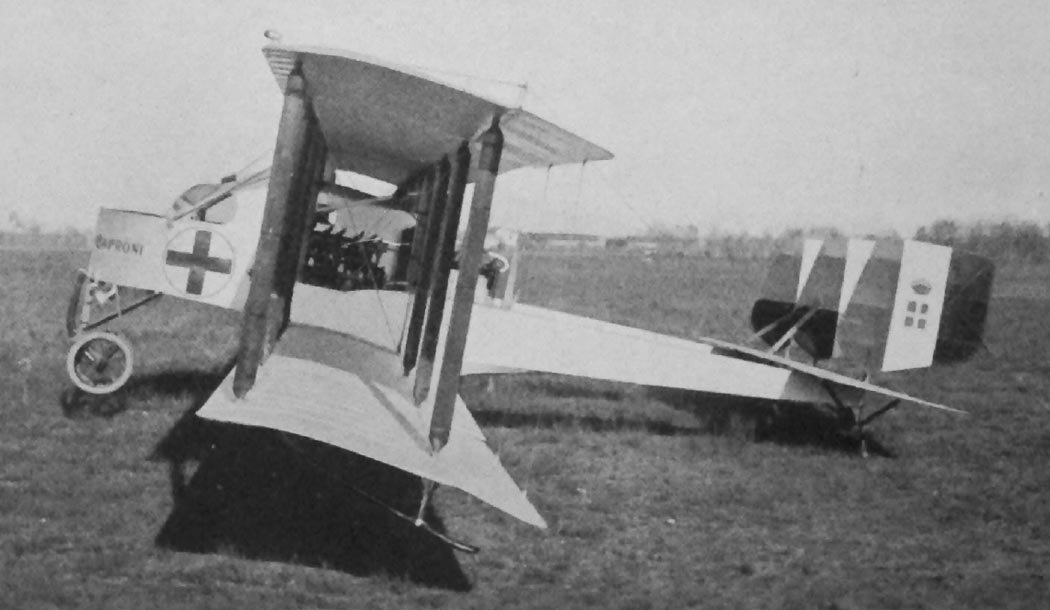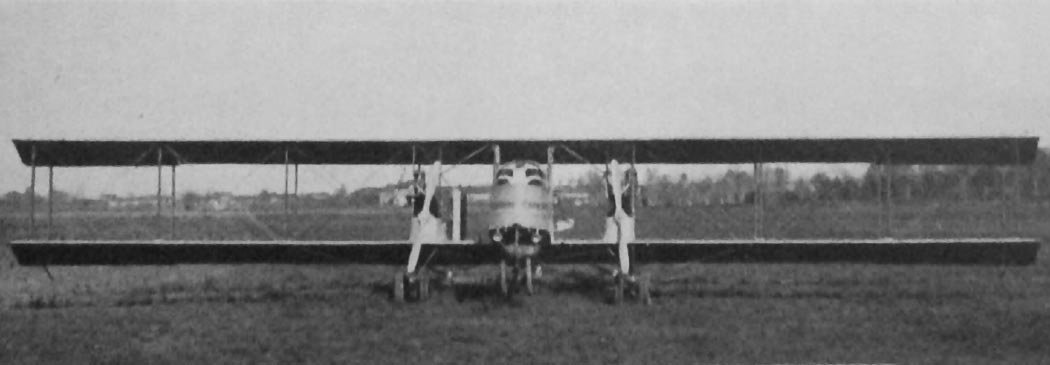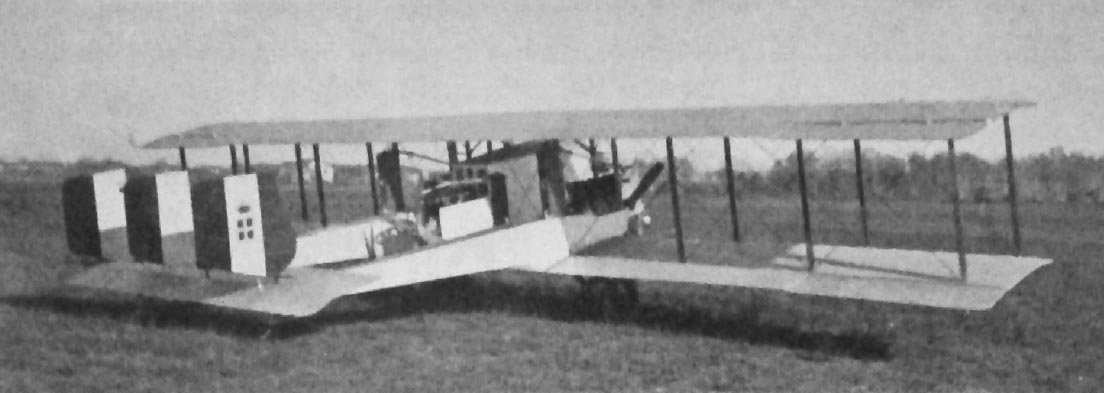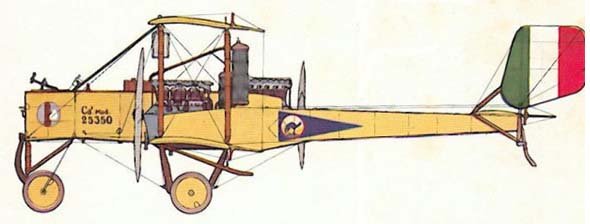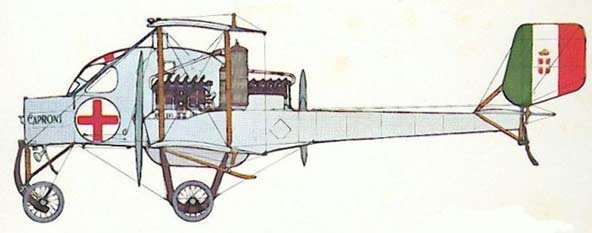
The Ca.36 was a heavy bomber developed by the Italian firm Caproni. This aircraft represented a further evolution of the Ca.3 family of planes and was also known under the designation Ca.3mod. Its design incorporated several modifications aimed at optimizing its performance and operational capabilities.
Design Innovations and Construction
Among the most significant modifications was the implementation of 5-section wings. This feature greatly facilitated the aircraft’s assembly and transportation, crucial aspects for military logistics of the era. These structural improvements contributed to the model’s overall efficiency and versatility.
Operational History and Variants
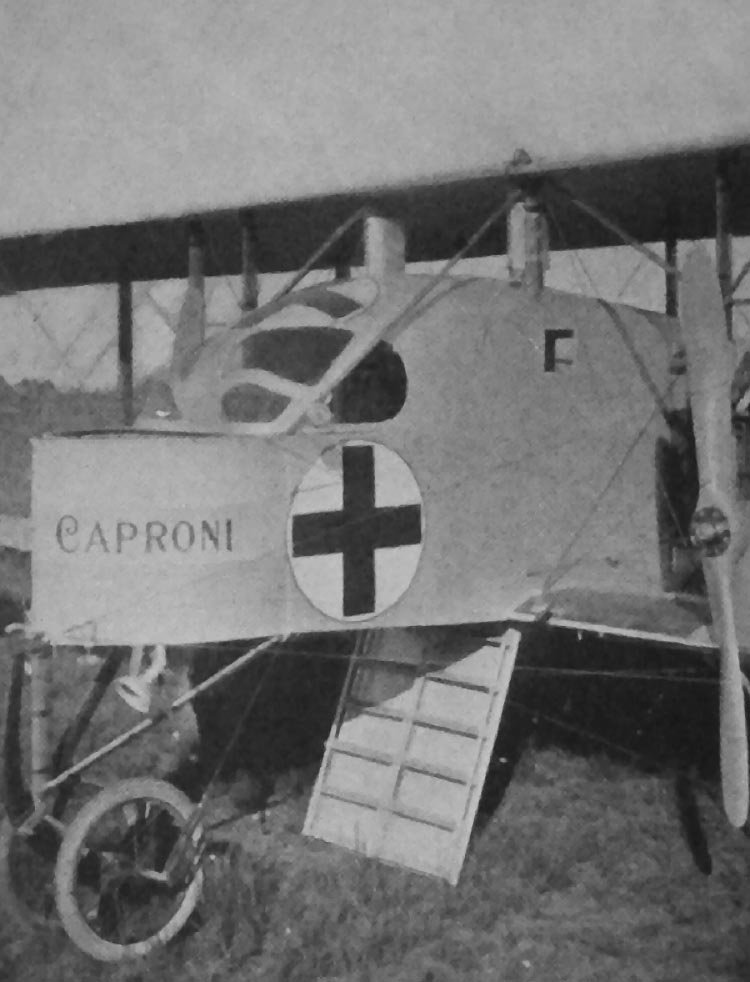
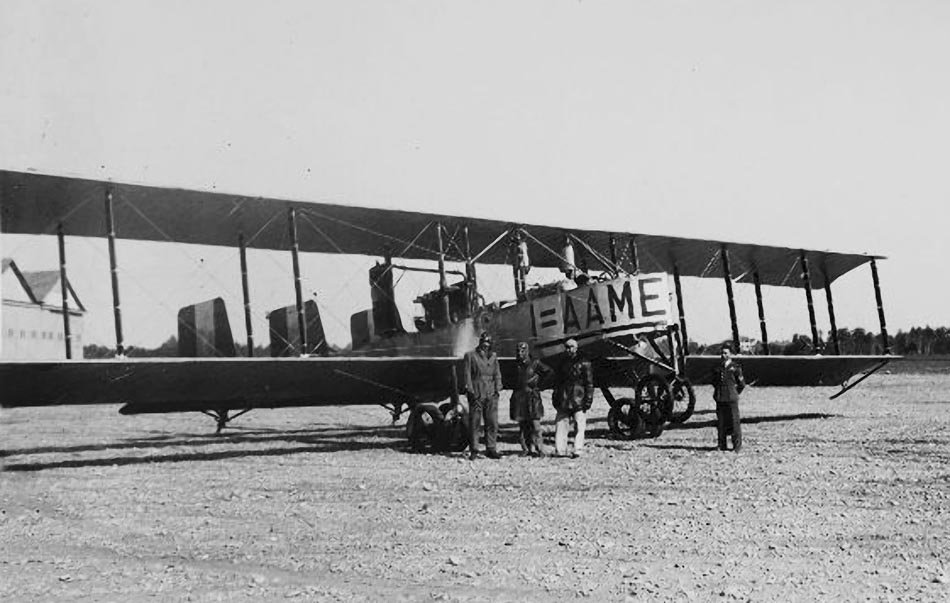
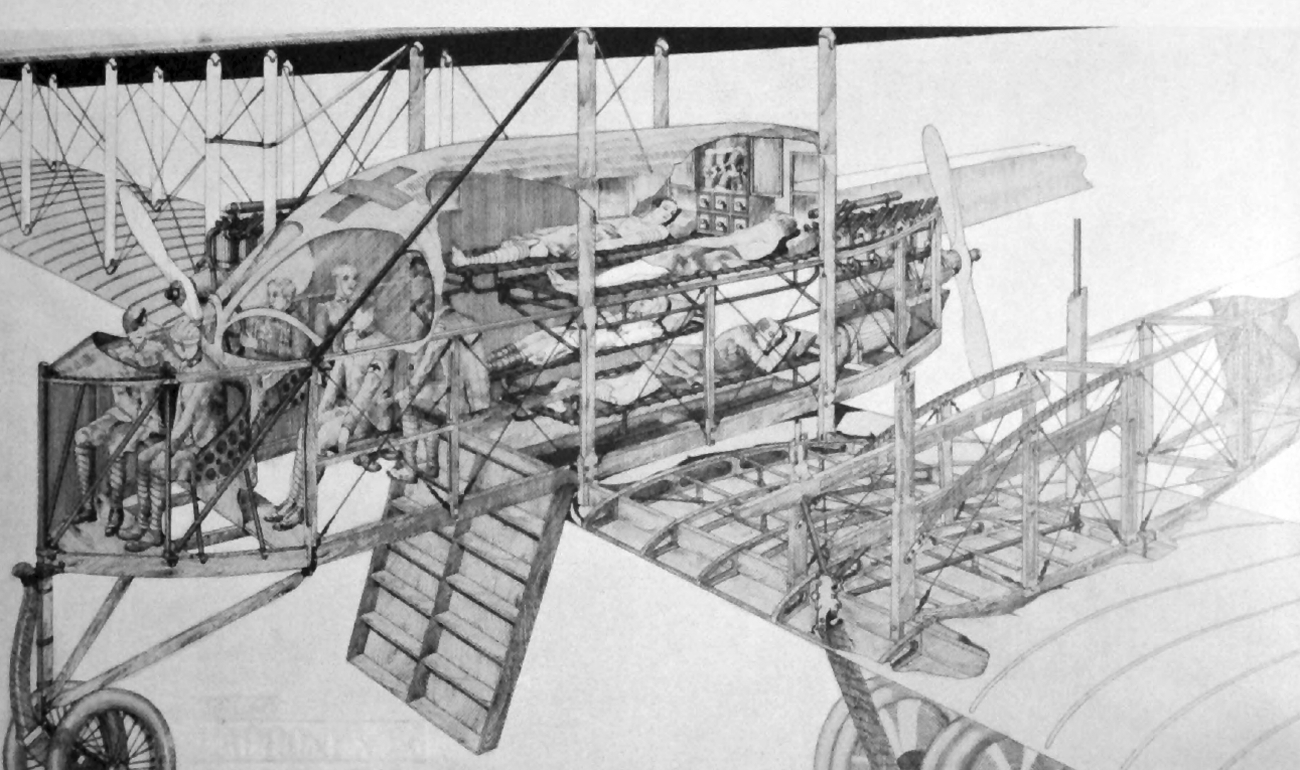
A total of 153 Ca.36 aircraft were ordered, with the first units entering service in 1916. The last aircraft was withdrawn from Air Force service in 1929, marking an extensive operational period. Additionally, a sanitary version, the Ca.36S, was produced, and after World War I, one Ca.36 was converted into the civil Ca.56a (I-AAME).
Technical Specifications
| Modification | Ca.36 |
| Wingspan, m | 22.74 |
| Length, m | 11.05 |
| Height, m | 3.83 |
| Wing area, m2 | 95.64 |
| Empty weight | 2600 |
| Normal takeoff weight | 4000 |
| Engine type | 3 Piston engines Isotta-Fraschini V.4B |
| Power, hp | 3 x 150 |
| Maximum speed, km/h | 135 |
| Cruising speed, km/h | 120 |
| Practical range, km | 600 |
| Maximum rate of climb, m/min | 125 |
| Service ceiling, m | 4500 |
| Crew | 4 |
| Armament | two 6.5-mm Fiat Revelli machine guns; bomb load up to 800 kg |
Image gallery of the Ca.36