Skip to content
archivoaereo.com

archivoaereo.com

  • Military Aviation
    • World War I
      • WWI Attack Aircraft
      • WWI Bombers
      • WWI Fighters
      • WWI Flying Boats
      • WWI Reconnaissance
    • World War II
      • WWII Attack Aircraft
      • WWII Bombers
      • WWII Fighters
      • WWII Flying Boats
      • WWII Military Transport
      • WWII Reconnaissance
    • Cold War
      • Cold War Fighters
    • Modern
      • Modern Fighters
      • Modern Maritime Patrol
      • Modern Military Transport
  • Civil & Commercial Aviation
    • Classic Airliners
    • Modern Airliners
    • Classic Regional Airliners
    • Modern Regional Airliners
    • Pioneer Light Aircraft
    • Classic Light Aircraft
    • Modern Light Aircraft
    • Agricultural Aircraft
    • Racing Aircraft
  • Helicopters
    • Cargo & Heavy Helicopters
    • Light & Observation Helicopters
    • Pioneer Helicopters
    • SAR Helicopters (Rescue)
    • Utility Helicopters
  • Technology
    • Weapons & Technology
    • Drones & UAVs
    • Experimental Aircraft
  • History
    • History & Battles
  • Toggle search form

Caudron C/D/E

Posted on May 5, 2026 By

Rene Caudron and his brother Gaston grew up on a farm but were interested in various technologies, bicycles, and motorcycles from childhood. Hearing about the Wright brothers’ flights in 1908, they became fascinated with aviation. Their first aircraft took off in 1910, and by 1912, they had their own company, producing several successful models with various engines and slightly differing sizes.

Table of Contents

Toggle
    • The Caudron’s Unique Wing Design
    • Structural Innovations and Powerplants
    • Widespread Use and Production
    • Technical Specifications
  • Image gallery of the Caudron C/D/E
The Caudron’s Unique Wing Design

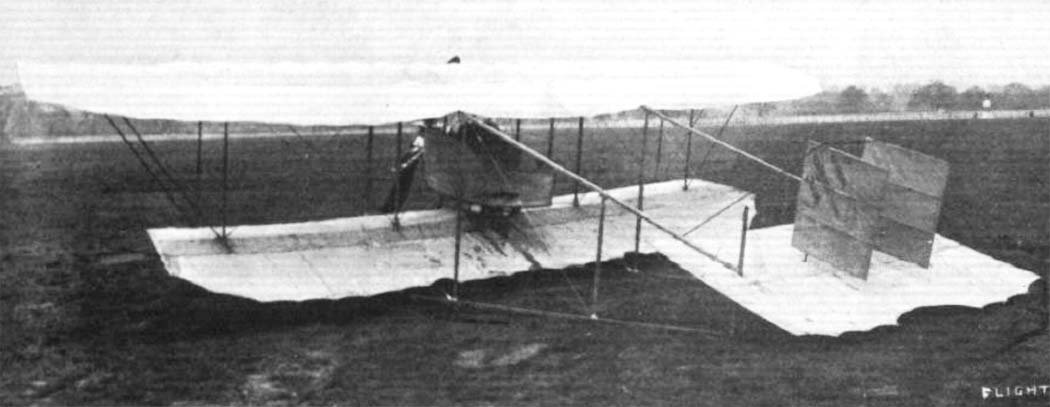
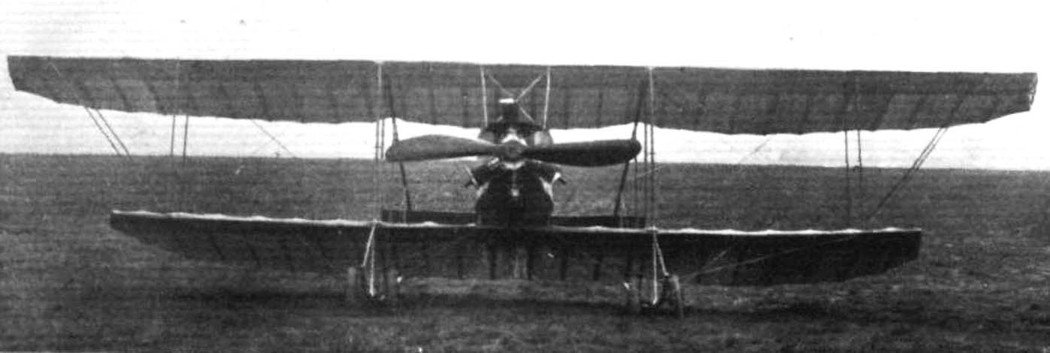
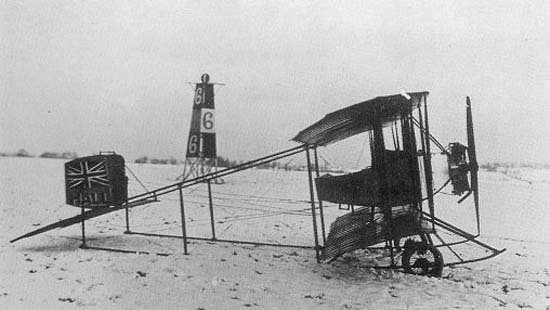
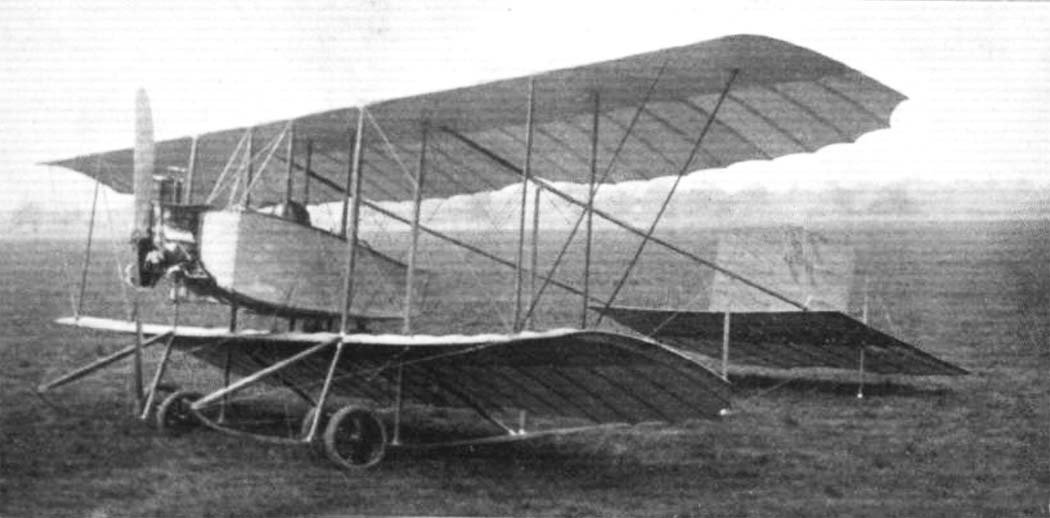
A key feature of Caudron aircraft was their wing design. Two spars were positioned quite close to each other. The part of the wing between the spars had a conventional rigid structure, covered with fabric on both sides.

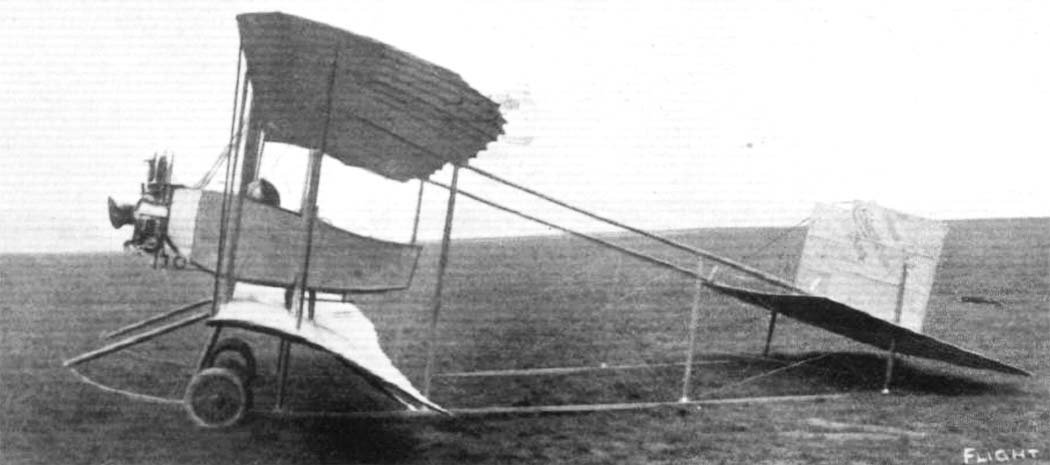
However, the section behind the spars, which occupied more than half of the wing’s chord, only had flexible ash ribs sewn to a single layer of fabric using special pockets. This resulted in a wing with a large flexible surface, positively impacting the aircraft’s controllability and smoothing out wind gusts during flight in windy weather. The stabilizer was designed similarly, with the flexible rear not only acting as an elevator but also assisting in lateral control, as the right and left parts warped differentially, synchronized with the wing warping.

Structural Innovations and Powerplants

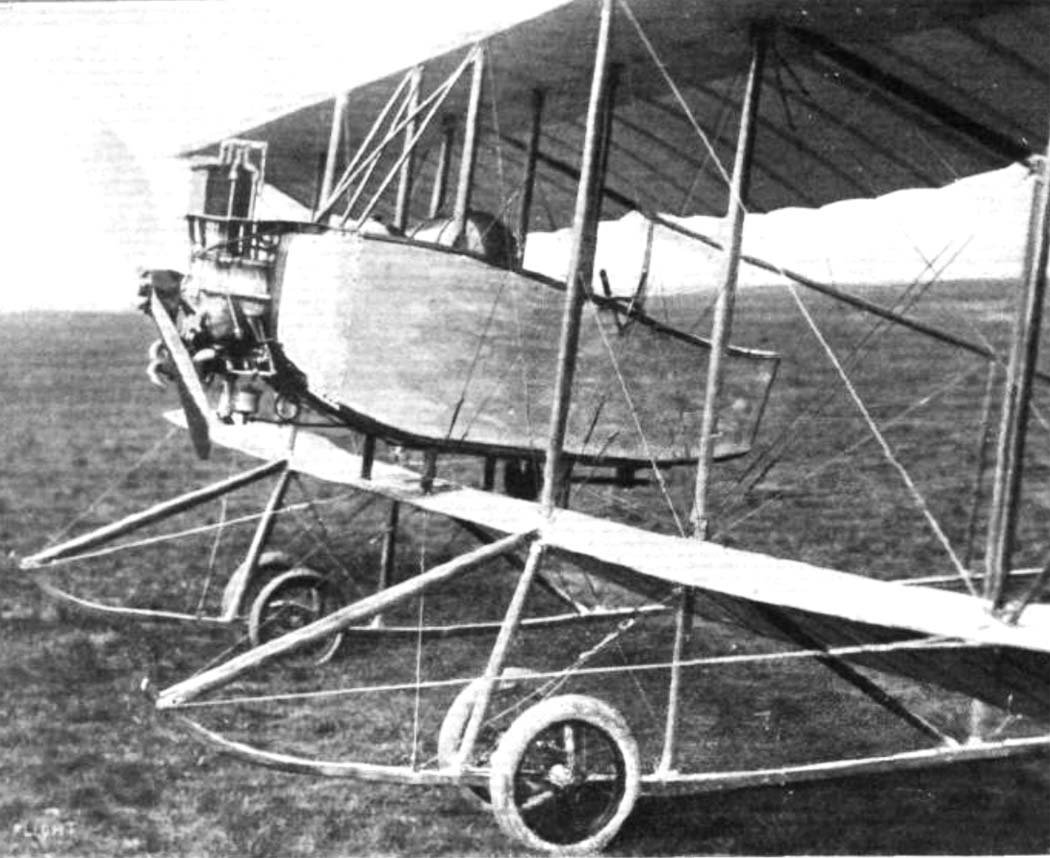
The empennage featured a double rudder without keels and a monoplane stabilizer-elevator, mounted on an ash truss. The lower beams of this truss simultaneously served as landing skids. Small paired wheels were also attached to them on rubber shock absorbers.

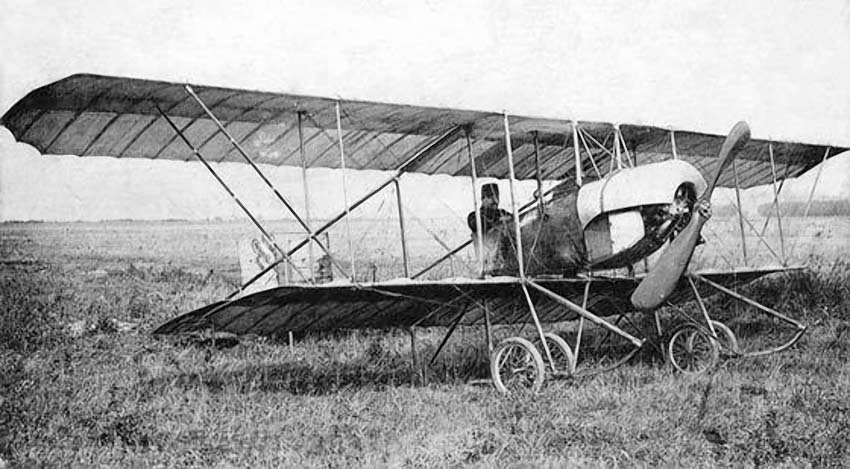
A small boat-shaped gondola was covered with fabric. A steel plate, to which the engine was mounted, was installed in the front section. The engine could be covered by an aluminum cowling.

Single-seat aircraft were fitted with a three-cylinder Anzani engine (35 hp). Even with such a relatively weak engine, the aircraft showed decent performance and could even fly well with one of the three cylinders disconnected. With the engine developing full power, it could even carry a passenger – standing on the wing outside the gondola. Two-seat aircraft received more powerful 60 hp Anzani or 60-70 hp Gnome rotary engines.

Widespread Use and Production

The ease of control made this aircraft popular in many flying schools, not only in France but also in other countries. In the UK, they were used in several schools, and in April 1913, W.H. Ewen obtained a license for their production (the firm was later renamed British Caudron). Several other firms also manufactured the aircraft.

Technical Specifications

Modification Caudron C(D)
Wingspan, m 9.00 (9.70)
Aircraft length, m 6.70 (6.70)
Wing area, m2 24.50 (24.00)
Empty weight (220)
Maximum takeoff weight (350)
Engine type 1 Piston engine Anzani (Gnome)
Power, hp 1 x 45 (50)
Maximum speed, km/h 90 (90)
Cruising speed, km/h 80
Crew, crew 1 (1)

Image gallery of the Caudron C/D/E
How to cite this article:

APA: Caudron C/D/E (). Caudron C/D/E. archivoaereo.com. https://archivoaereo.com/en/caudron-c-d-e-2/
VANCOUVER: Caudron C/D/E [online]. archivoaereo.com; [cited 2026-05-16]. Available at: https://archivoaereo.com/en/caudron-c-d-e-2/
Developed by Agatha Press
Spread the love
Pioneer Light Aircraft Tags:Caudron, French

Post navigation

Previous Post: Catalina NG
Next Post: Caudron M and N Monoplanes
  • Español
  • Agricultural Aircraft
  • Attack Aircraft
  • Aviation Biographies
  • Cargo & Heavy Helicopters
  • Classic Airliners
  • Classic Light Aircraft
  • Classic Regional Airliners
  • Cold War Fighters
  • Drones & UAVs
  • Experimental Aircraft
  • History & Battles
  • Interwar Reconnaissance
  • Light & Observation Helicopters
  • Maritime Patrol
  • Military Trainer Aircraft
  • Military Transport
  • Modern Airliners
  • Modern Cargo Aircraft
  • Modern Fighters
  • Modern Light Aircraft
  • Modern Maritime Patrol
  • Modern Military Transport
  • Modern Regional Airliners
  • Other Aircraft
  • Pioneer Air Transport
  • Pioneer Helicopters
  • Pioneer Light Aircraft
  • Racing Aircraft
  • SAR Helicopters (Rescue)
  • Sin categoría
  • Utility Helicopters
  • Weapons & Technology
  • WWI Attack Aircraft
  • WWI Bombers
  • WWI Fighters
  • WWI Flying Boats
  • WWI Reconnaissance
  • WWII Attack Aircraft
  • WWII Bombers
  • WWII Fighters
  • WWII Flying Boats
  • WWII Military Transport
  • WWII Reconnaissance
Carbon Cub EXCarbon Cub EXAdmin
Cessna CR-3Cessna CR-3Admin
Pavel Ignatievich ChinyakovPavel Ignatievich ChinyakovAdmin

Legal

  • About ArchivoAereo
  • Terms and Conditions
  • Contact Us
  • Privacy Policy

Copyright © 2026 archivoaereo.com.

Powered by PressBook WordPress theme