Early Development and Variants
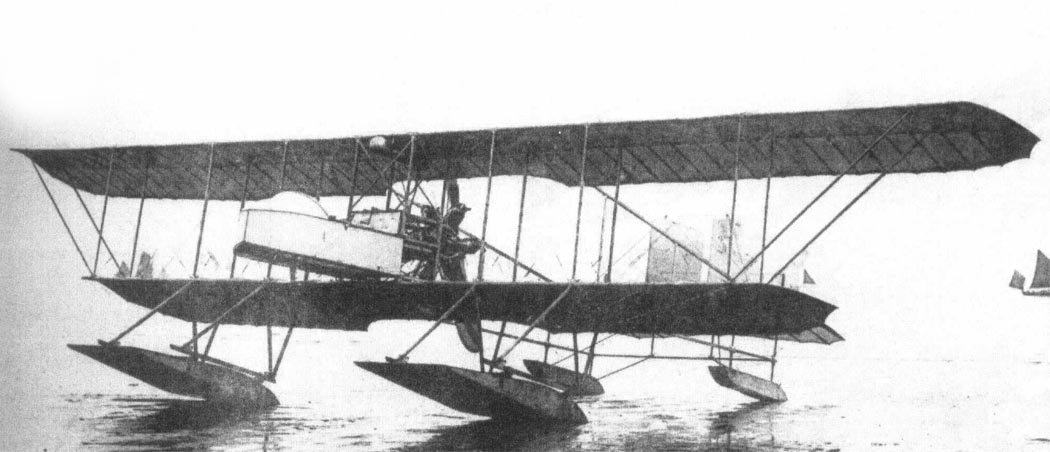
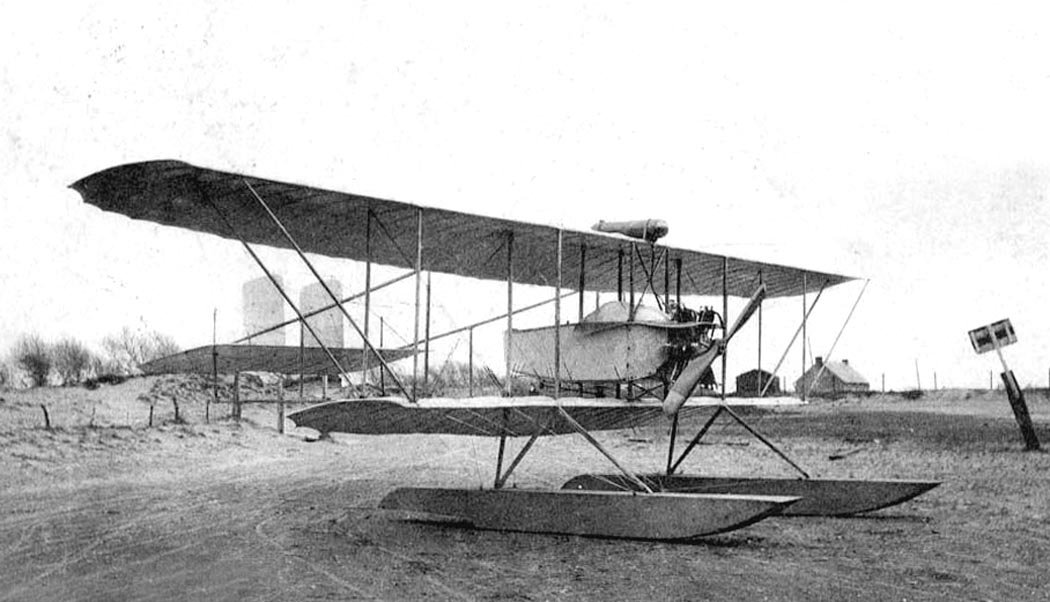
Having gained experience with the Caudron-Fabre hydroplane in 1912, René Caudron developed a new floatplane designated as the Caudron H. More precisely, he developed two distinct seaplanes under this common designation, each differing in construction.
The first Caudron H aircraft (n/c 26) was a three-seater, two-bay biplane with wings of different lengths, powered by a 70 hp Anzani (or Gnome Lambda) engine driving a pusher propeller. The second variant (n/c 28) was a two-seater with a tractor propeller, proving more successful. The French Navy subsequently ordered two similar aircraft for auxiliary use at their naval bases.
Naval Adoption and Exhibition
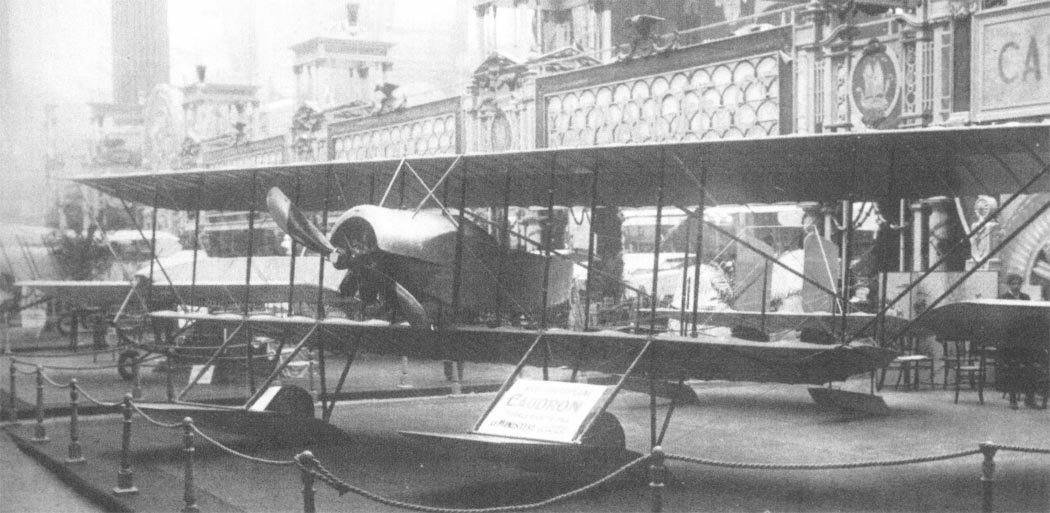
By the end of 1912, two hydroplanes (n/c 46 and 47) were built under this contract. The first of these, receiving the military number CC5, was delivered to the fleet in February of the following year. This particular aircraft was prominently displayed at the Paris Exhibition held in July of the same year.
Versatile Applications
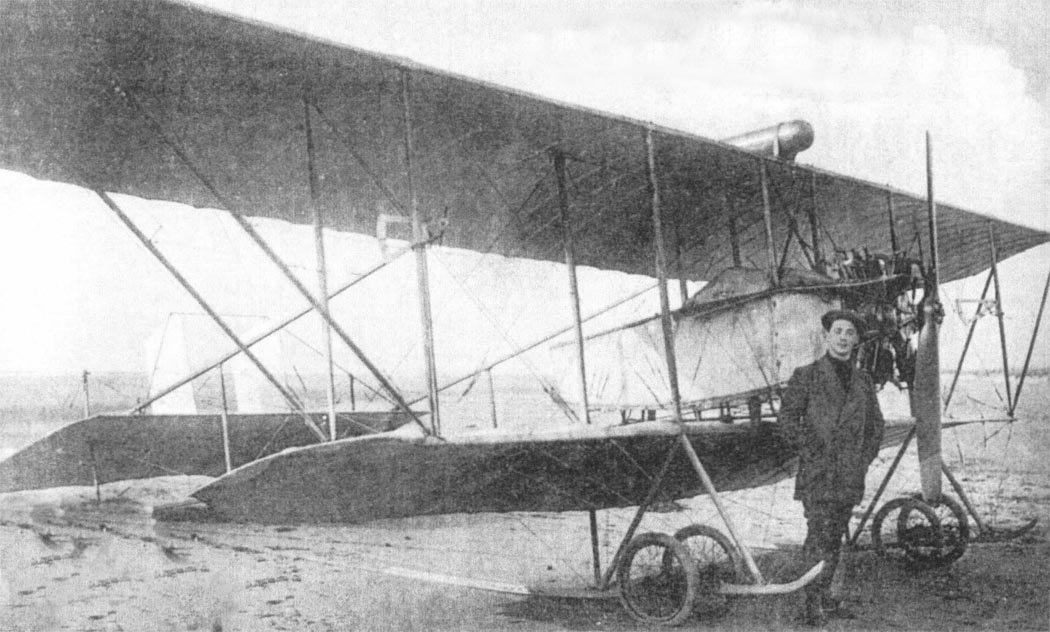
Slightly later, one of the Caudron H seaplanes underwent a conversion to a land-based variant. This modified aircraft was then utilized for training purposes, demonstrating the platform’s versatility beyond its original naval role.
Technical Specifications
| Modification | Caudron H |
| Wingspan (upper wing) | 14.00 |
| Wingspan (lower wing) | 9.60 |
| Length, m | 10.00 |
| Height, m | 3.00 |
| Wing area, m2 | 35.00 |
| Empty weight | 400 |
| Normal takeoff weight | 660 |
| Engine type | 1 Piston engine Anzani |
| Power, hp | 1 x 70 |
| Maximum speed, km/h | 80 |
| Cruising speed, km/h | 70 |
| Crew | 2 |
Image gallery of the Caudron H