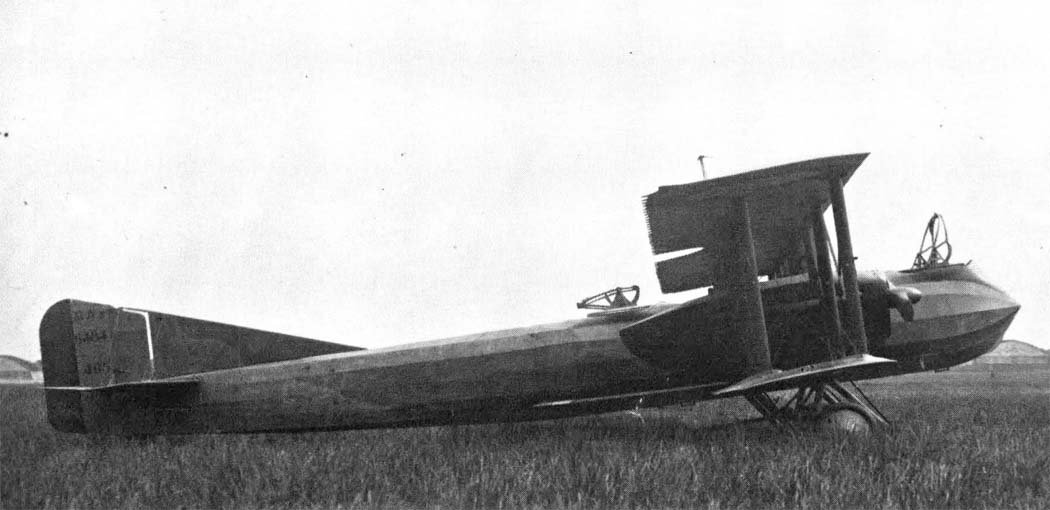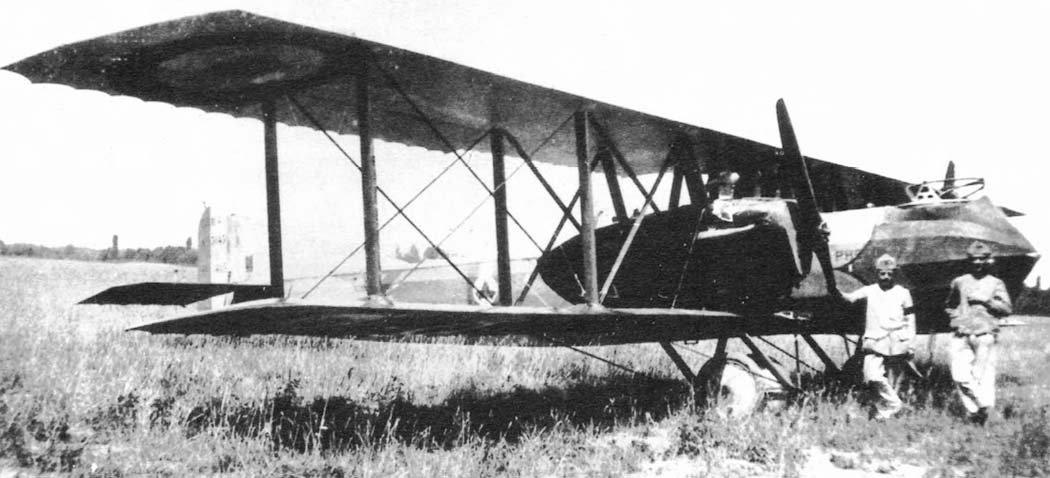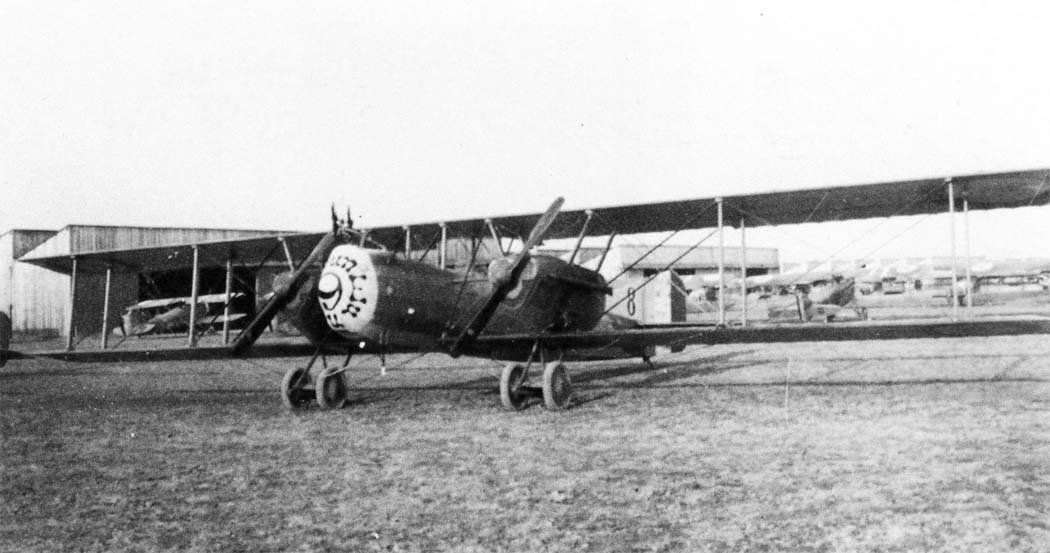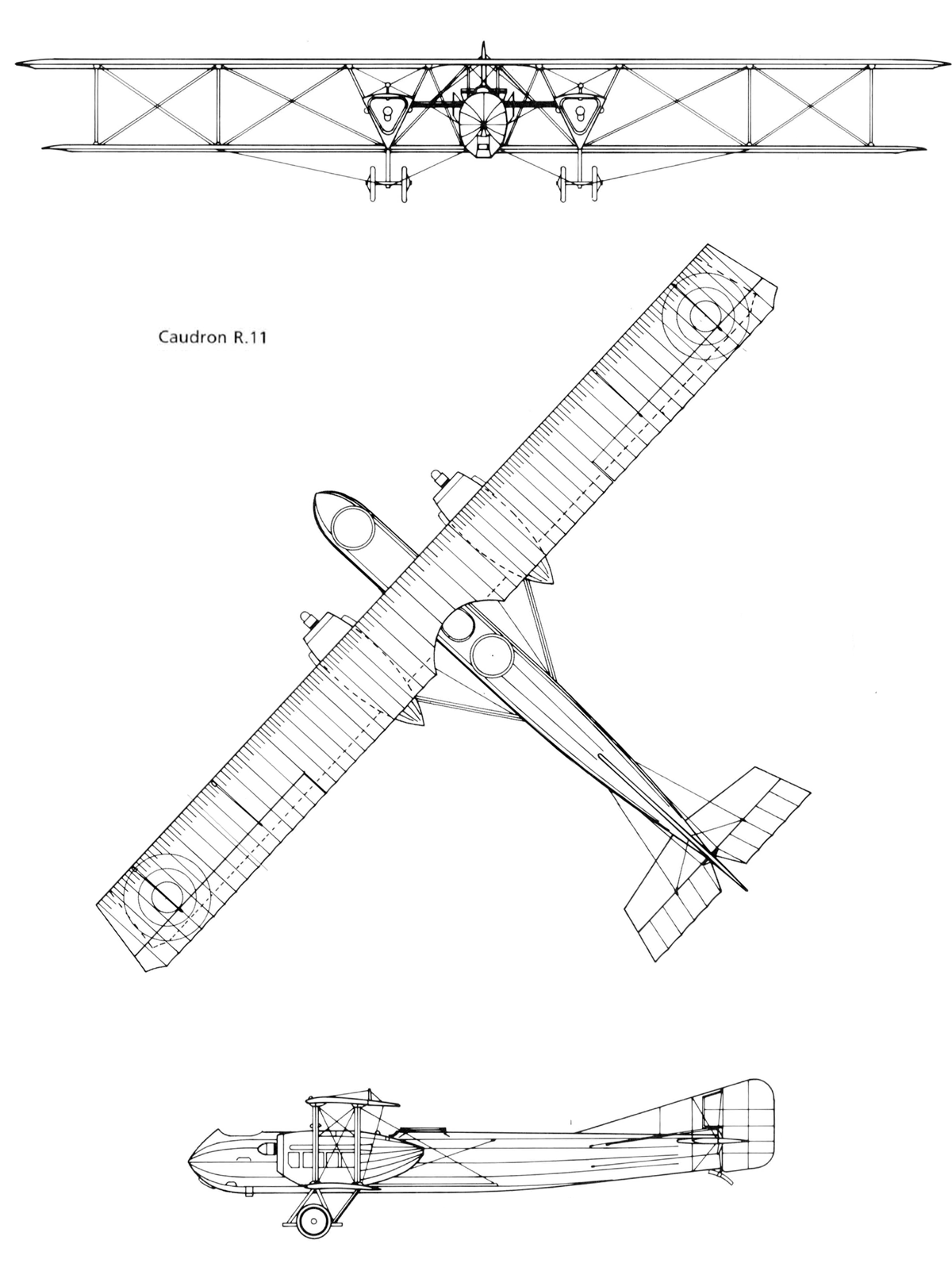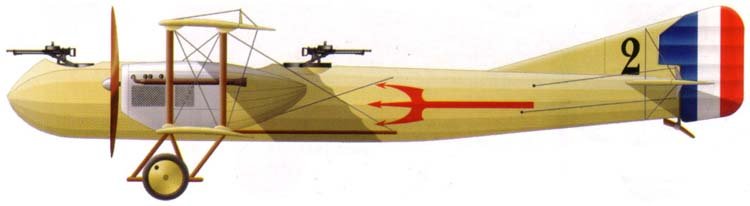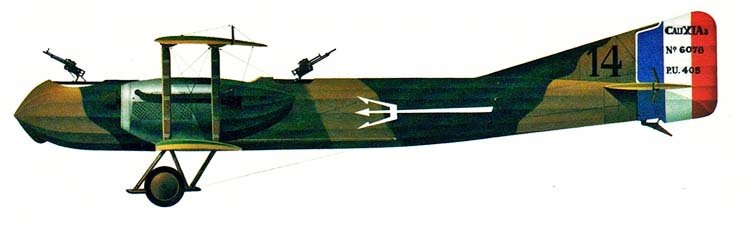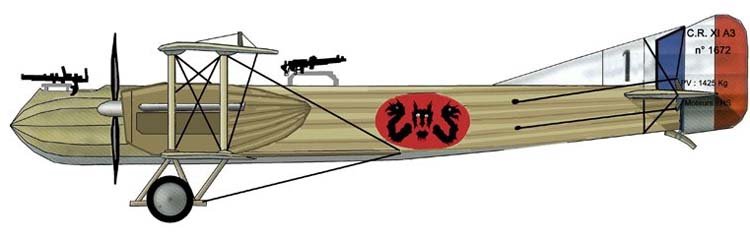
The idea to create a new bomber emerged in late 1916, when it became clear that the serial R.4 aircraft of the same type was becoming obsolete and no longer met expectations. Pilots criticized it for insufficient maneuverability and a tendency to enter uncontrollable dives. René Caudron began work on the aircraft, designated R.11, despite the death of his brother Gaston. Later, the well-known design engineer Paul Deville, who was specially invited to the Caudron firm for this purpose, continued the project.
After a small series of R.6 machines, which served as a proving ground for refining the fuselage bomber design (the 130 hp Renault engines proved insufficient), the company began building the next aircraft of this type. All problems encountered during the operation of its predecessors were taken into account. The new machine closely resembled the R.4 in design, but its dimensions were reduced. It also featured a pointed nose section, a modified tail (the fin was enlarged), and the absence of a nose wheel. The biplane wing box was also redesigned.
Design Innovations and Propulsion
The prototype was equipped with liquid-cooled Hispano-Suiza 8Ba engines (200 hp). The first ten production aircraft had Hispano-Suiza 8Bda engines (210 hp). Throughout the production of the R.11, various Hispano-Suiza engine variants were used, and continuous changes were made to the aircraft’s structure, units, and systems.
The R-11 featured several interesting design characteristics aimed at enhancing combat survivability. The fuel system was modified so that, if necessary, both engines could draw fuel from any tank. Fuel tanks, located in the rear sections of the engine nacelles, could be jettisoned in flight in case of fire. Additionally, duplicated flight controls were installed in the rear gunner’s cockpit, further contributing to the aircraft’s reliability.
R.11 Structure and Armament
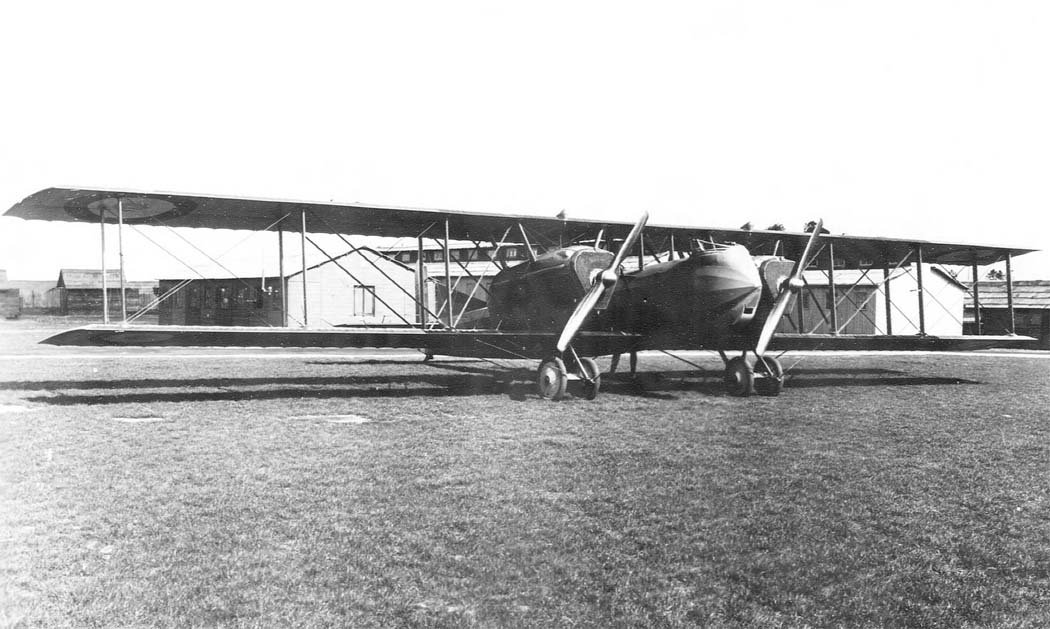
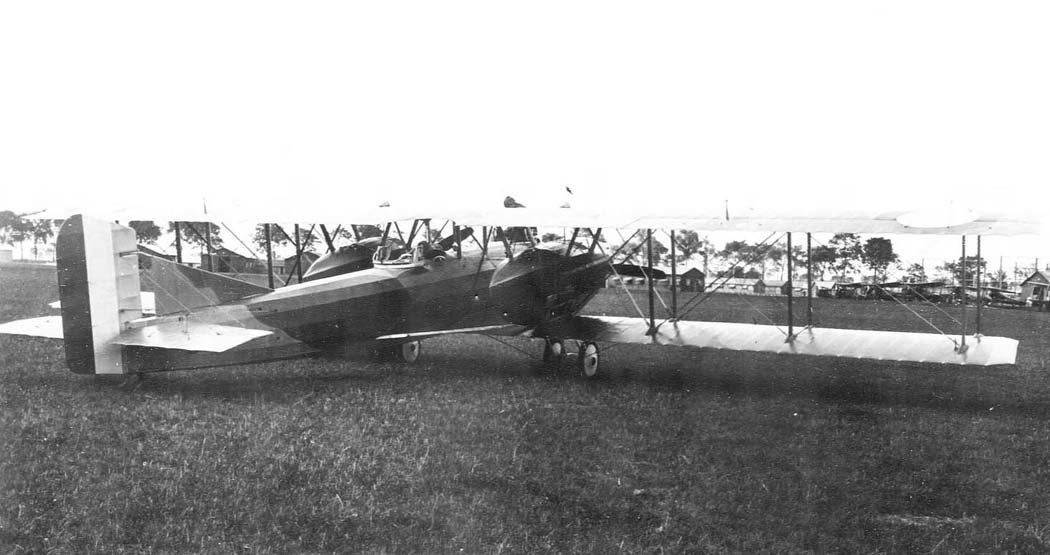
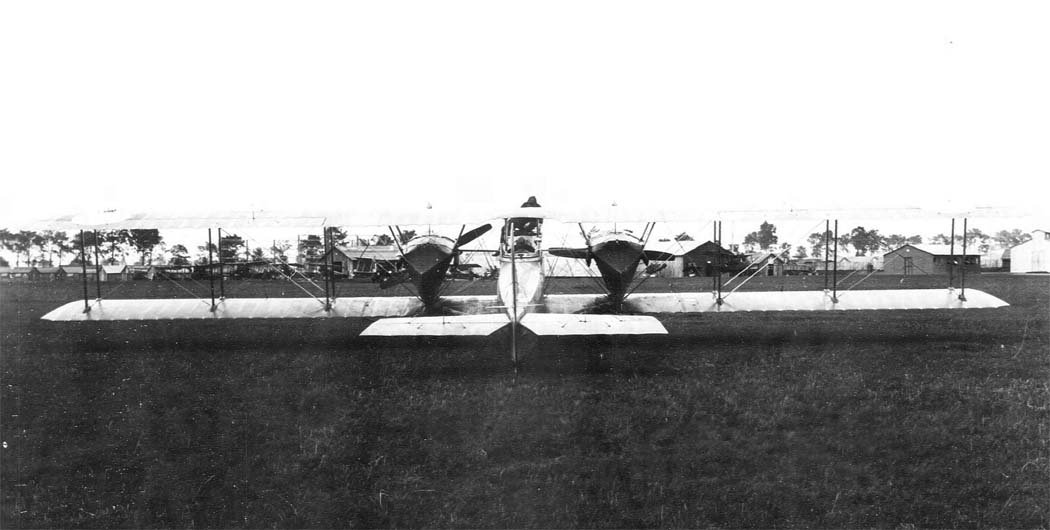
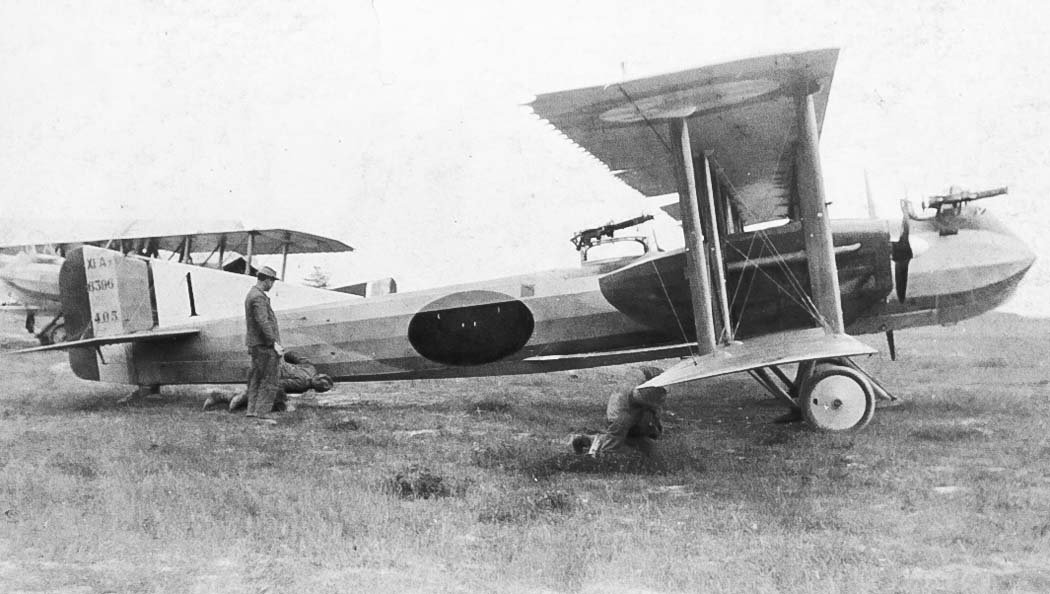
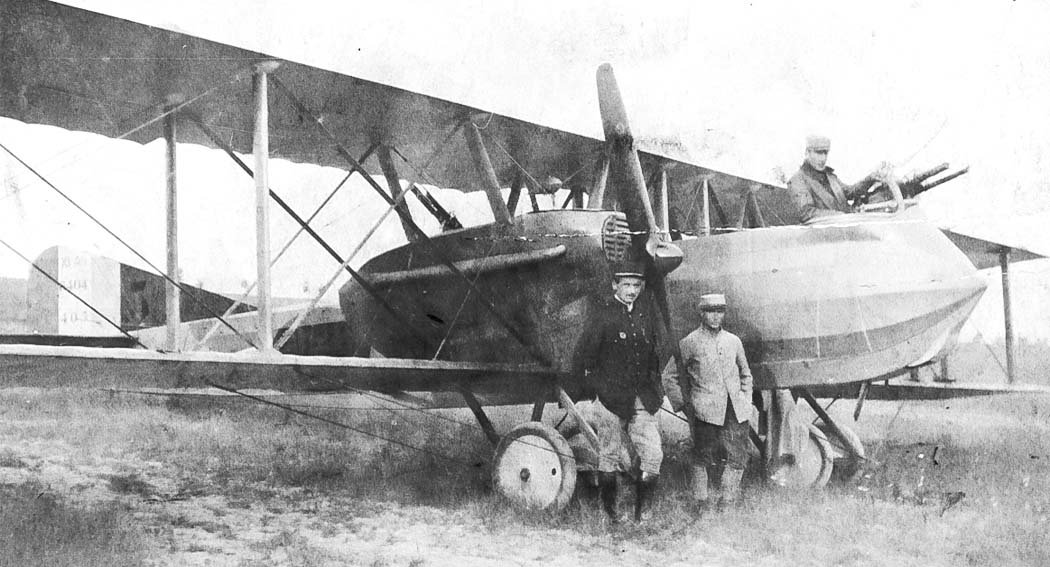
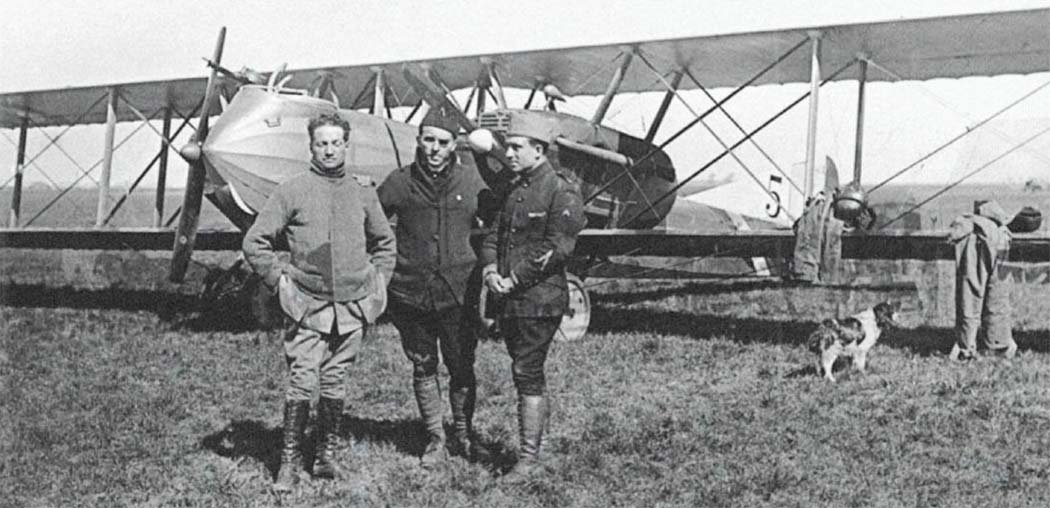
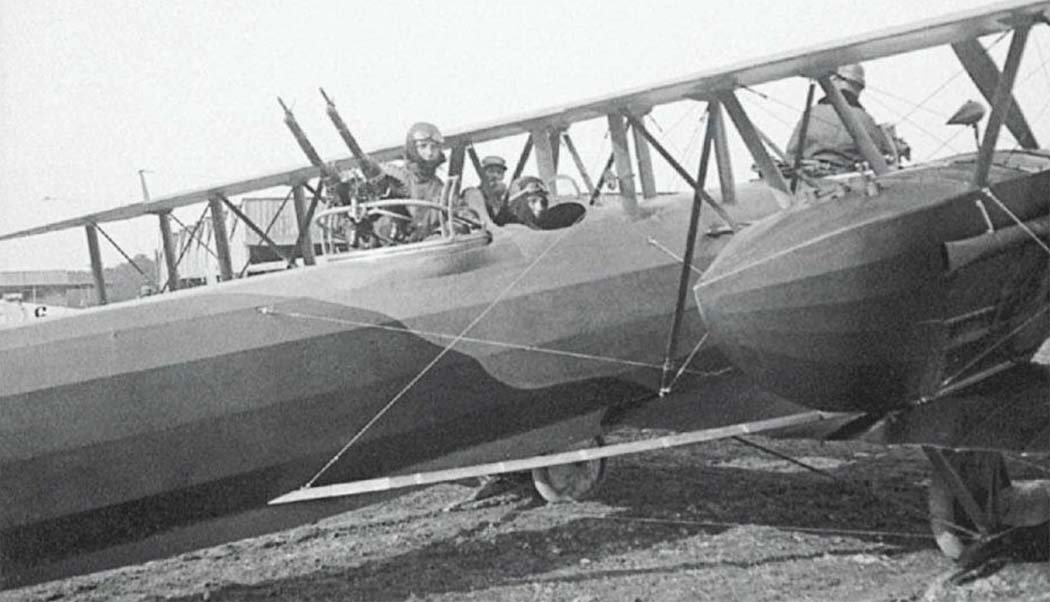
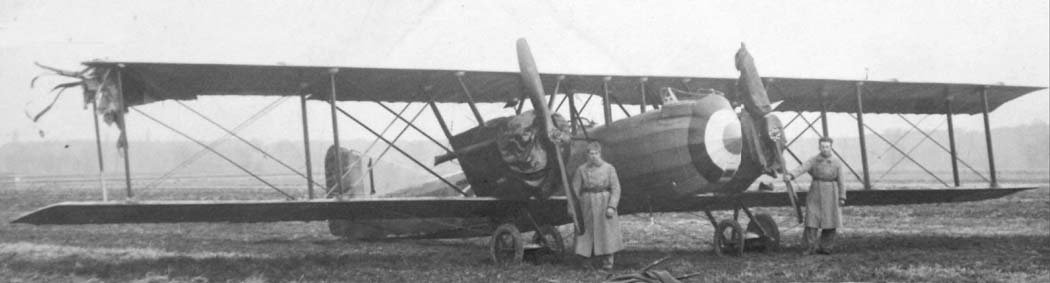
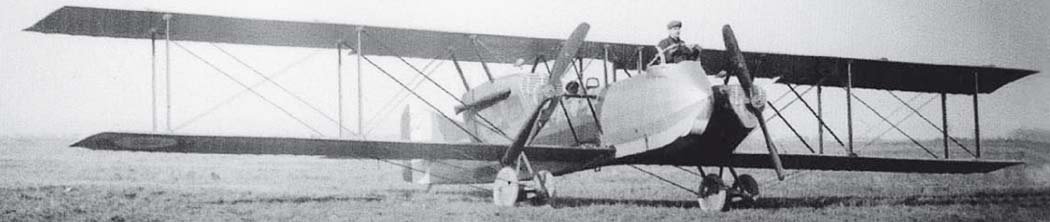
The Caudron R.11 was a large, three-strut, twin-engine biplane. Its fuselage was made of wood with a monocoque structure, featuring a timber frame. Stringers and an additional slat frame provided its oval shape, and the entire structure was covered with fabric. In the nose section, a gunner-bomber was positioned in a turret mounting two 7.71 mm Lewis machine guns.
The pilot’s cockpit was located at the level of the wing’s trailing edge, and behind him was another turret mounting two Lewis machine guns for the second gunner. The two-spar wing had spars made of steel tubes and ribs of timber and plywood, also covered with fabric. Ailerons were only on the upper wing, which had a greater chord and a slightly larger span. The biplane box struts were steel tubes in wooden fairings, with bracing provided by steel cables or profiled tape.
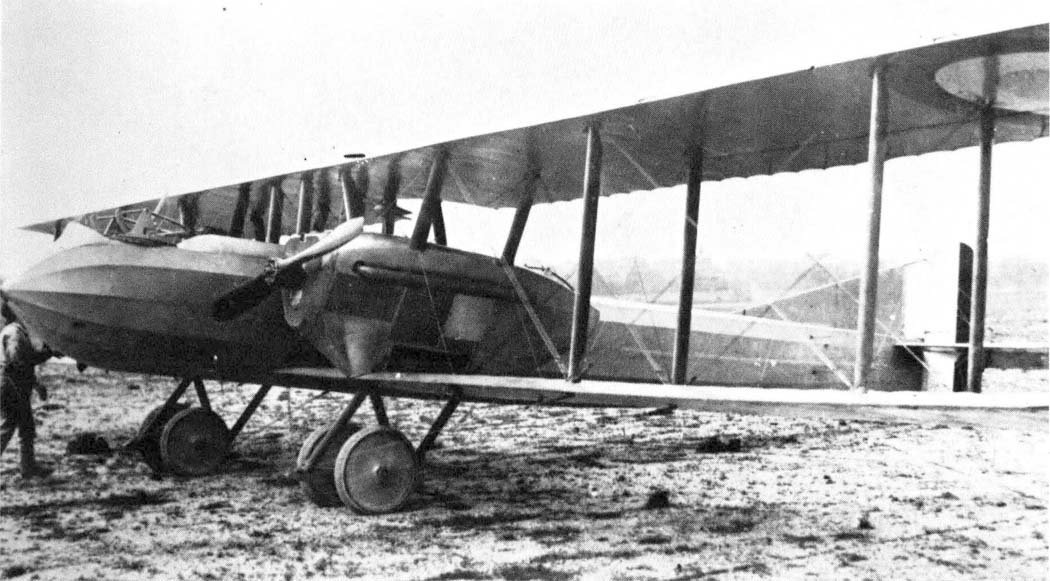
The nacelles for the two Hispano-Suiza HS 8Bba engines (215 hp, later HS 8 Beb (235 hp)) were mounted on the lower wing, within the strut bay. These triangular-section nacelles housed the fuel and oil tanks, covered by aluminum panels at the front and fabric at the rear. The frontal radiators were honeycomb and triangular in shape.
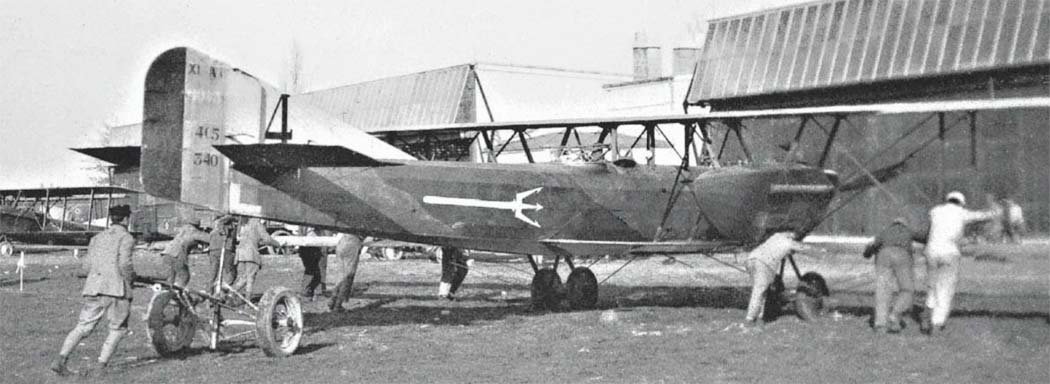
The empennage (tail assembly) had a construction similar to the wing. The adjustable stabilizer was attached by a system of bracing wires. The fin was triangular, and the rudder featured horn weight compensation and a large surface area. The “Farman-type” landing gear had two pairs of wheels on short axles, mounted on V-shaped struts. Control was via cables, from a control column and pedals.
To ensure the necessary rigidity of the center section, the engine nacelles and fuselage were connected by additional bracing struts. The crew consisted of three people: a pilot and two gunners. Armament comprised five movable Lewis machine guns: four in two twin mounts on the front and rear “Scarf” turrets, and one in a lower hatch mount. Bombs ranging from 5 to 50 kg, with a total weight of about 300 kg, could be suspended under the lower wing.
Operational Service and Legacy
The first Caudron R.11 took flight in May 1917, and throughout that summer, the prototype underwent testing, with two machines also delivered for evaluation to the British RFC. The R-11 was initially developed according to a specification for a night bomber for the French Air Force, capable of carrying up to 120 kg of bombs. However, its flight performance proved so promising, and its firepower so strong, that the machine was designated for use as an escort fighter for single-engine Breguet 14 bombers. This reflected the then-prevalent concept of a heavy, unmaneuverable escort fighter (sometimes called an “aerial cruiser”), designed to engage in combat using numerous movable firing positions.
The aircraft demonstrated such good flight-tactical characteristics that in the autumn of 1917, Caudron, Regy Freres, and Gremont were ordered to build 1000 units of the R-11 in the fighter variant. However, due to a shortage of engines, which were mainly allocated to single-seat Spad fighters, production proceeded very slowly. The first serial R.11s entered combat units only in February 1918, and by April 1918, factories had delivered only 20 machines.
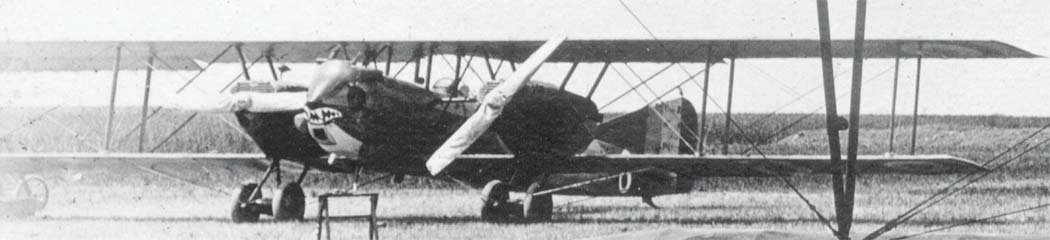
The machines were assigned to squadrons R46, R239, R240, and R246. By early July, eight French bomber squadrons already had these machines, which accompanied and protected bombers on their raids into enemy territory. In terms of speed, the aircraft was practically not inferior to enemy single-engine fighters. From July 1918, all French bomber squadrons began to be compulsorily equipped with Caudrons. A separate “Caudron” squadron was attached to the Foreign Legion. Serial production continued until the end of the war.
The most famous modification on the front was the R.11 A.3, a bomber escort aircraft, primarily for the Breguet 14, whose armament could include up to five machine guns. The gunners on such aircraft were usually the best graduates from the aerial gunnery school. One of them, Sergeant Vitalis, shot down eight German aircraft.
Problems with the Hispano-Suiza engine and its fine-tuning were not completely overcome. By April 1918, only 20 aircraft were in operational service. The R.11 interested the British and Americans, who acquired one aircraft each for evaluation tests. However, the end of the war prevented the purchase of licenses for their production. A total of 370 machines were manufactured, remaining in service with French aviation until 1922.
Several experimental aircraft were created based on the R.11, but due to the end of the war, they did not enter serial production. The R.12 was equipped with Hispano-Suiza 8Fb engines (300 hp). The R.14 variant was an enlarged modification of the R.12, boasting high speed and powerful armament (including a 37 mm Hotchkiss cannon and a Lewis machine gun), but it was heavy and cumbersome, and the pilot’s poorly positioned cockpit resulted in poor visibility. Incidentally, the latter was characteristic of all R.11 aircraft.
Technical Specifications
| Modification | R.11 |
| Wingspan, m | 17.92 |
| Length, m | 16.97 |
| Height, m | 2.80 |
| Wing area, m2 | 54.25 |
| Empty weight | 1422 |
| Normal takeoff weight | 2167 |
| Engine type | 2 Piston engines Hispano-Suiza 8Bba |
| Power, hp | 2 x 215 |
| Maximum speed, km/h | 183 |
| Cruising speed, km/h | 165 |
| Flight endurance, h | 3 |
| Maximum rate of climb, m/min | 250 |
| Service ceiling, m | 5950 |
| Crew, crew members | 3 |
| Armament: | five 7.7-mm Lewis machine guns, light bombs |
Image gallery of the Caudron R.11