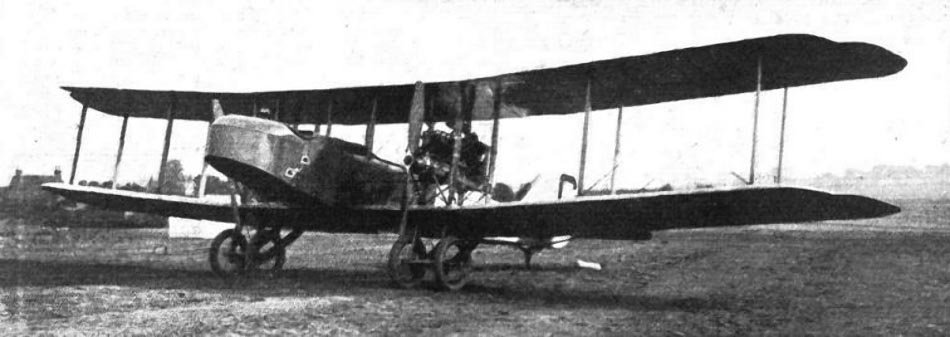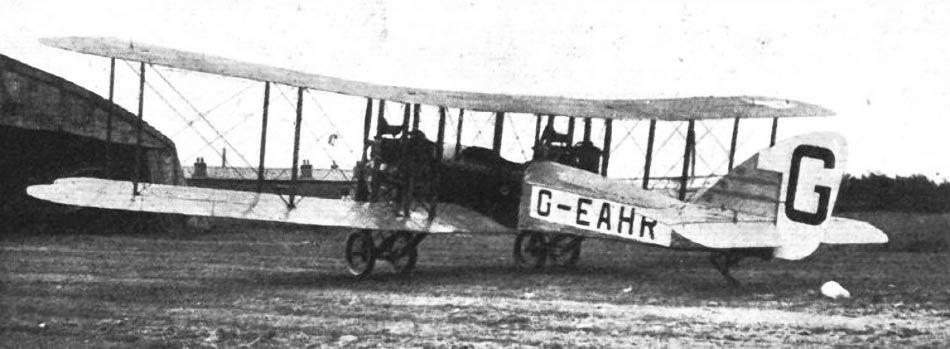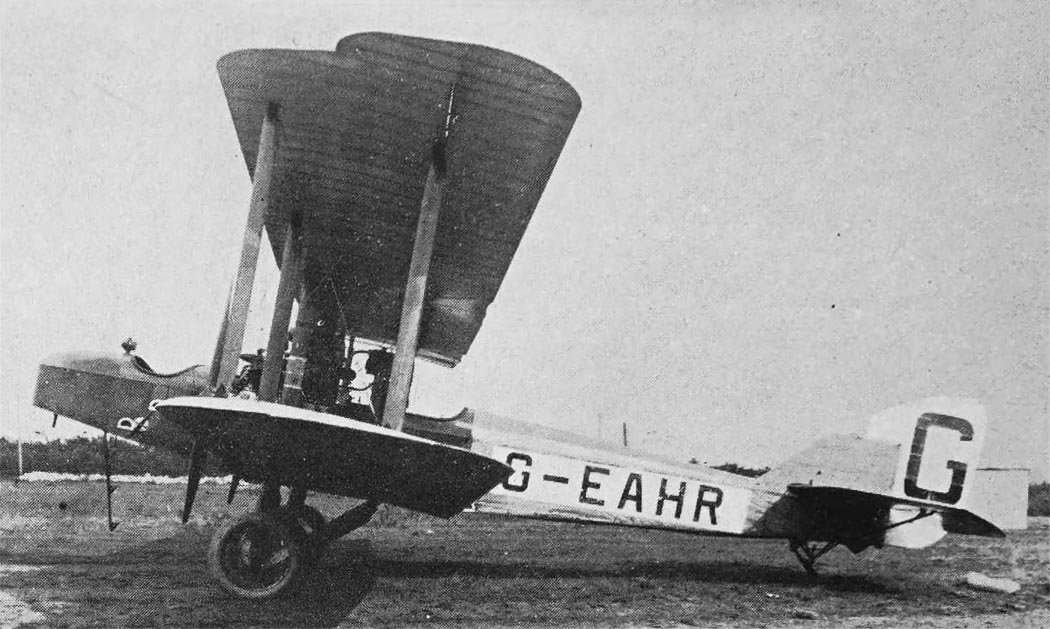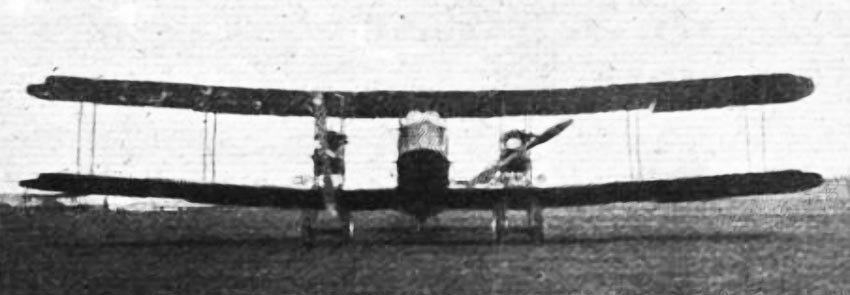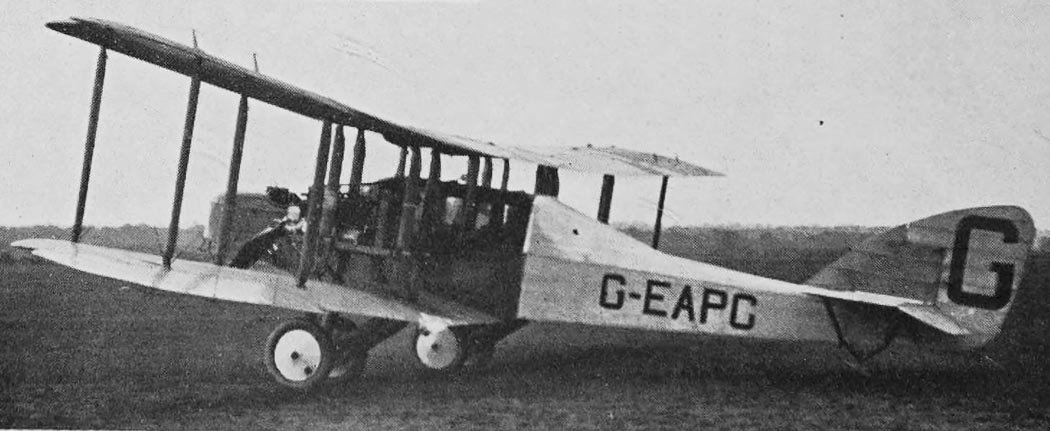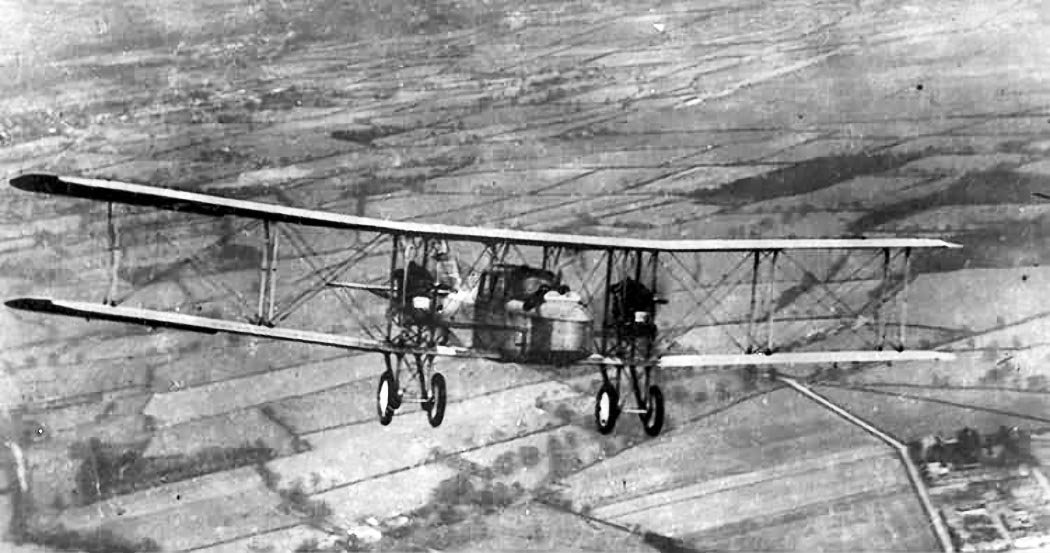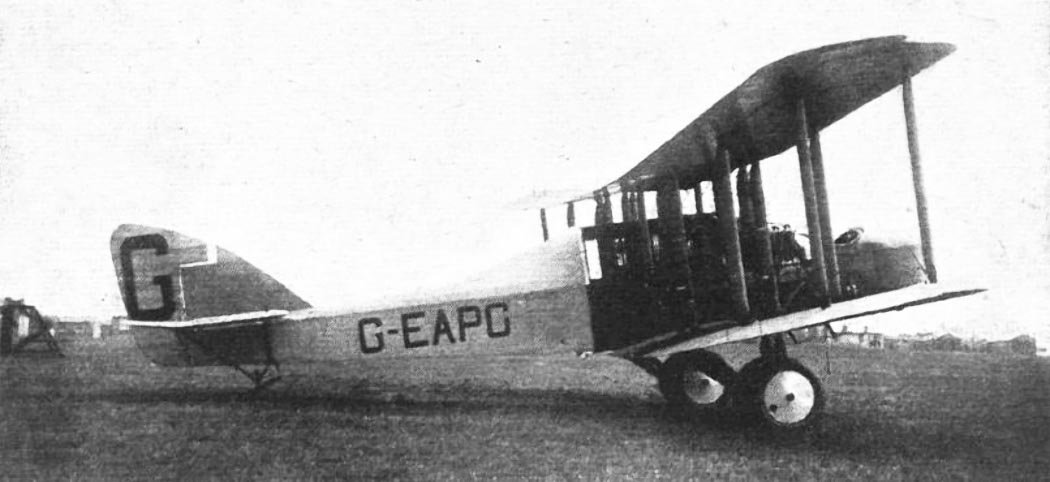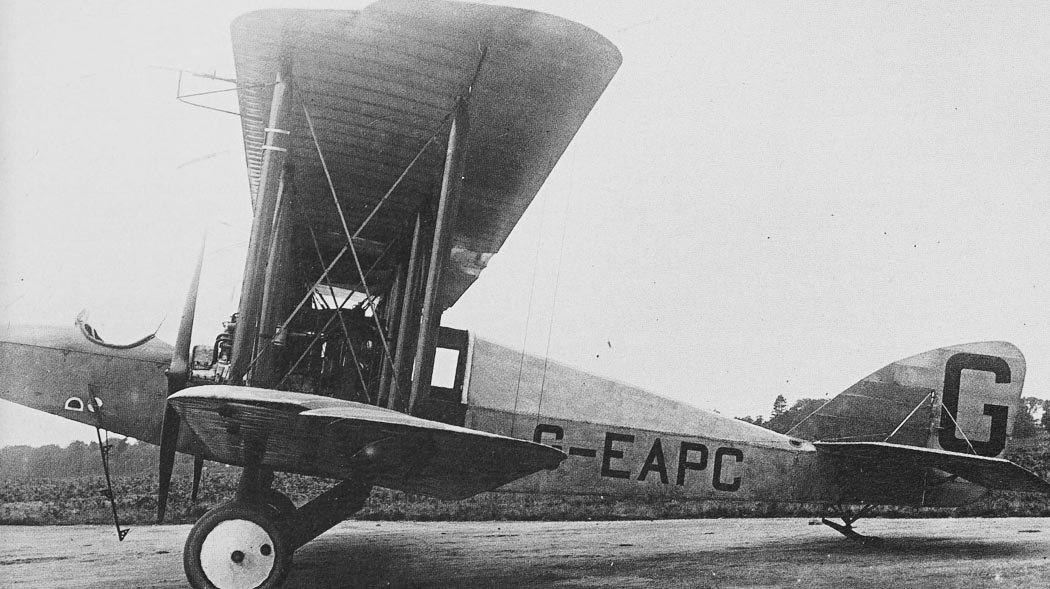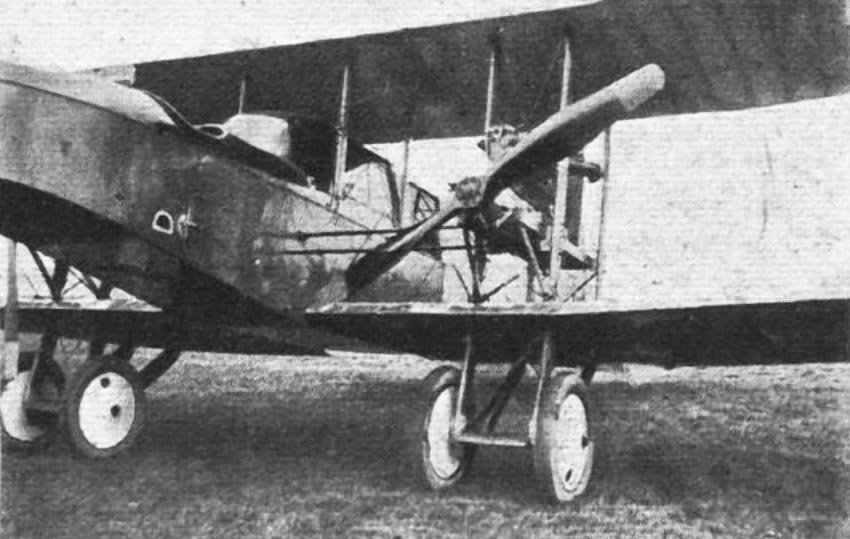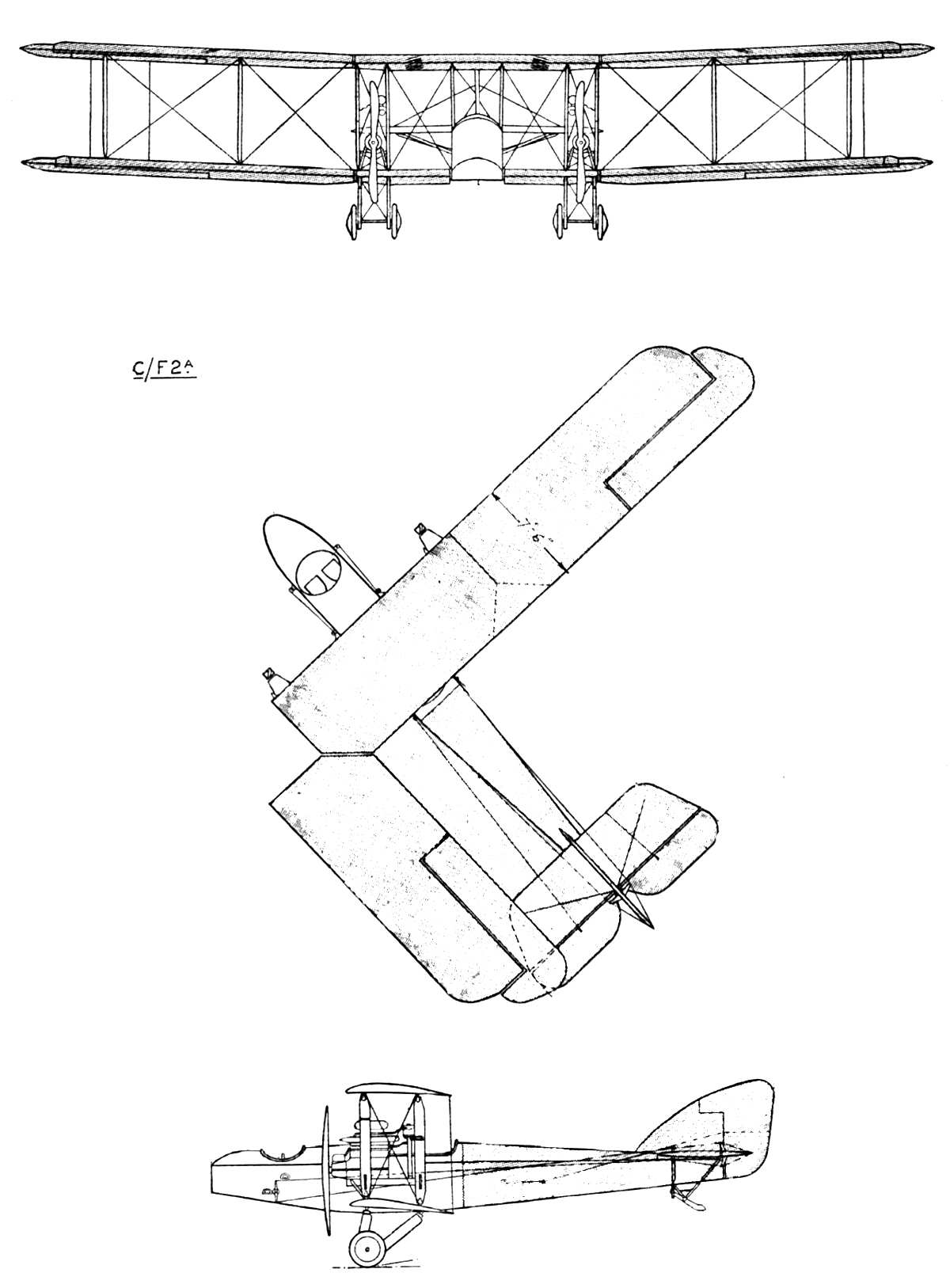
The Central Aircraft Company was established in 1916 and located at Palmerston Works, in Northwest London. Initially, the company focused on manufacturing spare parts, but after A. Fletcher (AA ‘Tony’ Fletcher) became chief designer, two proprietary projects were developed.
These projects included the single-engine Centaur IV trainer and the twin-engine C/F 2A Centaur 2A transport aircraft, marking a new direction for the firm. Fletcher’s arrival spurred a period of significant design innovation.
The Centaur 2A Debut
The first prototype of the Centaur 2A transport aircraft (c/n 101) took to the air in July 1919. It was a biplane equipped with two 160 hp Beardmore engines. Its open cockpit accommodated two pilots and seven passengers, representing an ambitious design for its time.
Initially registered as K-170, the aircraft was later re-registered as G-EAHR. Unfortunately, this aircraft crashed in an accident in July 1920, cutting short its nascent operational career.
Evolution and Competition
The second aircraft (c/n 102) featured a partially enclosed cabin for two pilots and six passengers, though one pilot and one passenger were still in an open cockpit. This model, redesignated as Centaur 2B, first flew in May 1920 and received the civil registration G-EAPC on June 30th.
The Centaur 2B unsuccessfully participated in the Commercial Aeroplane Competition organized by the Aviation Ministry. It was deemed obsolete and had poor payload capacity, highlighting its limitations against emerging standards.
The Tragic End and Company Demise
The fate of this aircraft met its end in a catastrophe on September 25, 1920, claiming six lives, including that of pilot Lieutenant F. P. Goodwin-Castleman. This accident was a devastating blow to the Central Aircraft Company.
In an attempt to salvage the company, A. Fletcher developed a triplane version based on the Centaur IIA. This aircraft, named Central Centaur VIII (c/n 400, G-EAST), was never completed due to insurmountable financial problems.
Following these setbacks, the company failed to recover and finally went bankrupt in 1927, closing a chapter in British aviation history.
Technical Specifications
| Modification | Centaur 2A |
| Wingspan, m | 19. 41 |
| Length, m | 11. 96 |
| Height, m | 3.81 |
| Wing area, m2 | 83.15 |
| Empty weight | 2271 |
| Normal takeoff weight | 3289 |
| Engine type | 2 Beardmore Piston engines |
| Power, hp | 2 x 160 |
| Maximum speed, km/h | 145 |
| Cruising speed, km/h | 105 |
| Practical range, km | 724 |
| Crew | 2 |
| Payload | up to 7 passengers |
Image gallery of the Central Centaur 2A and 2B