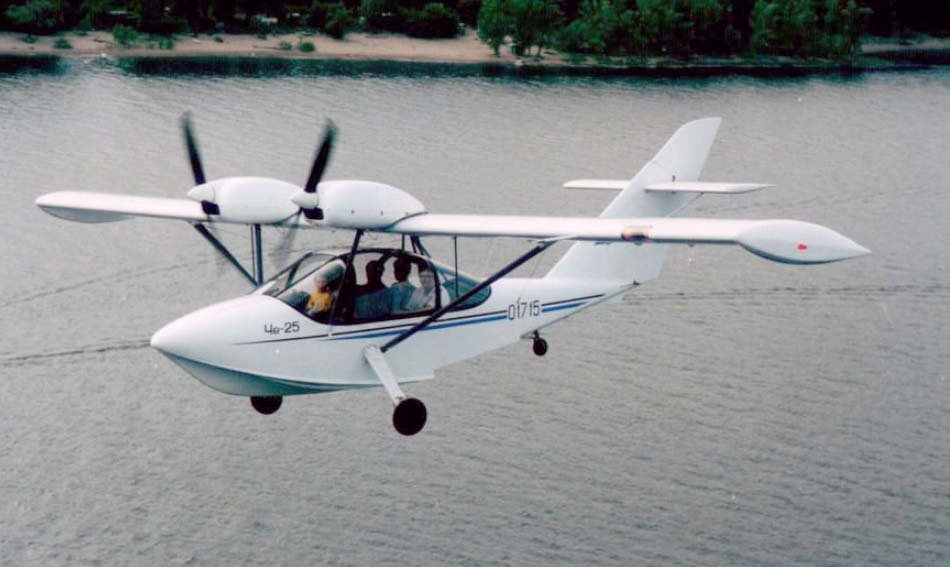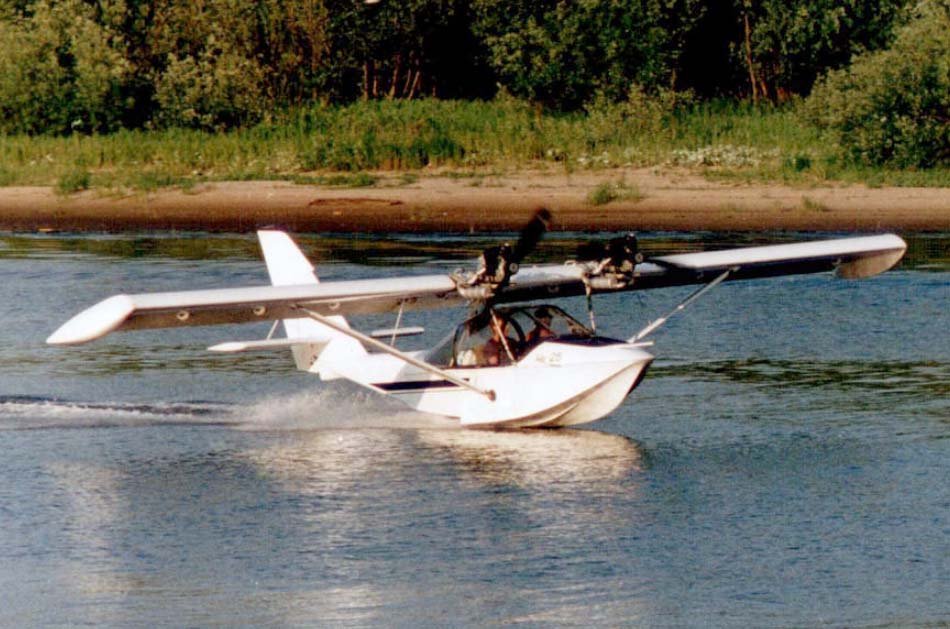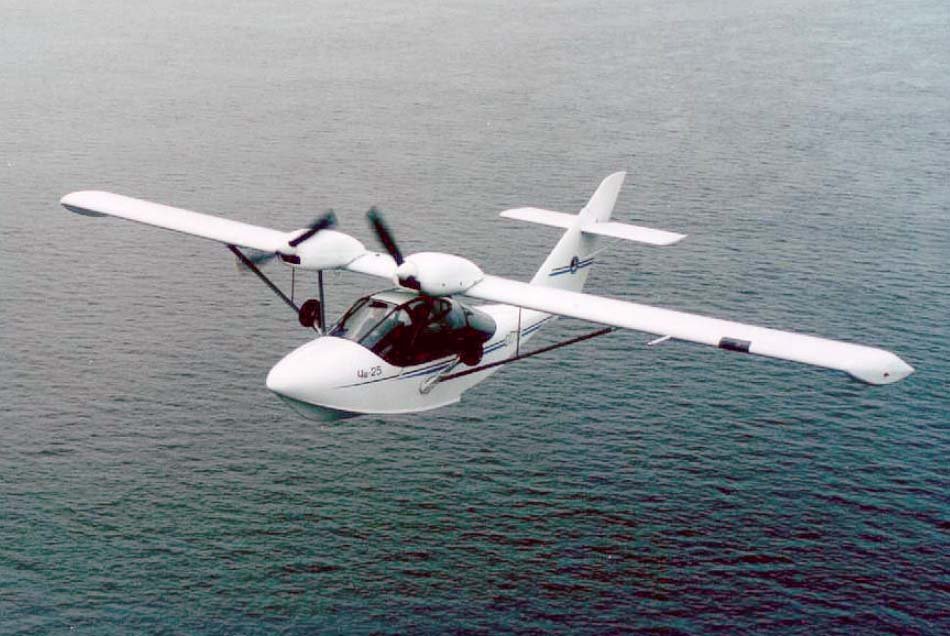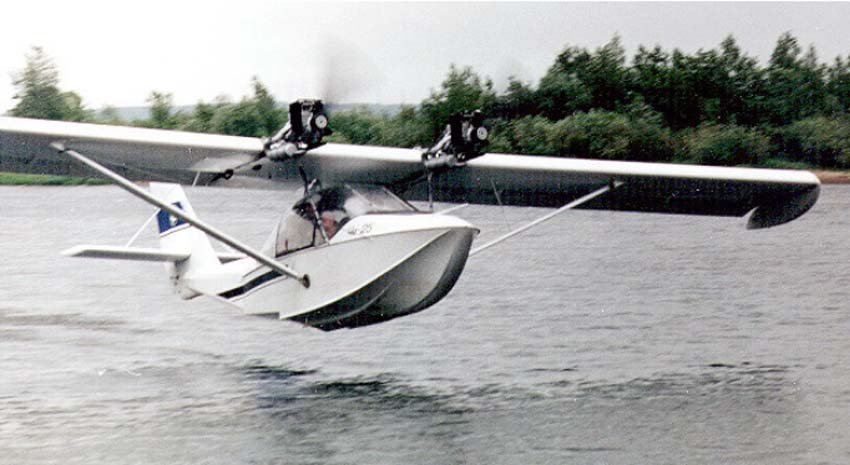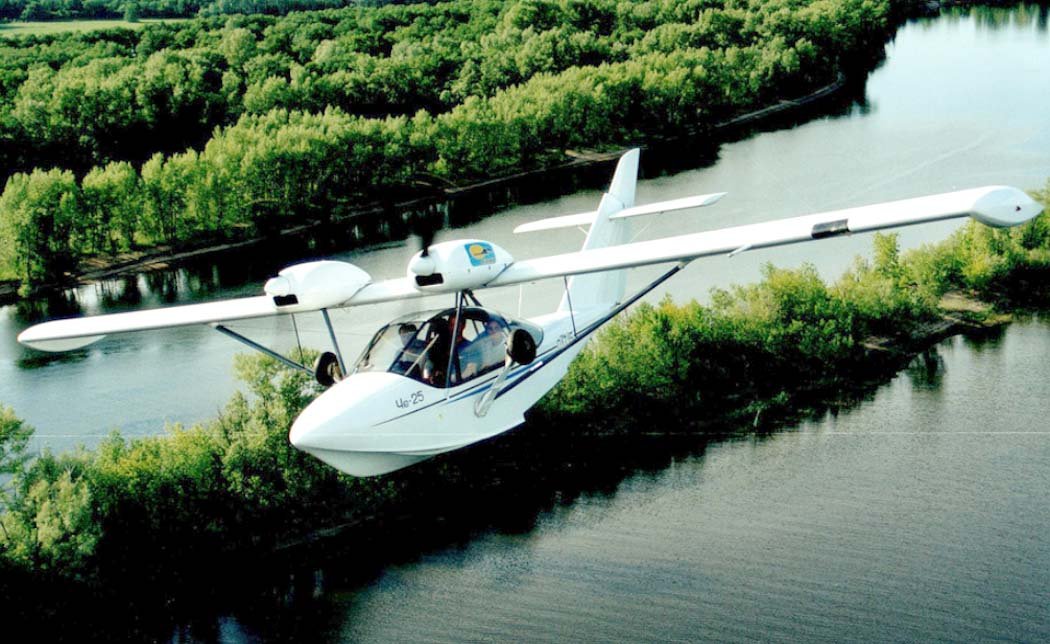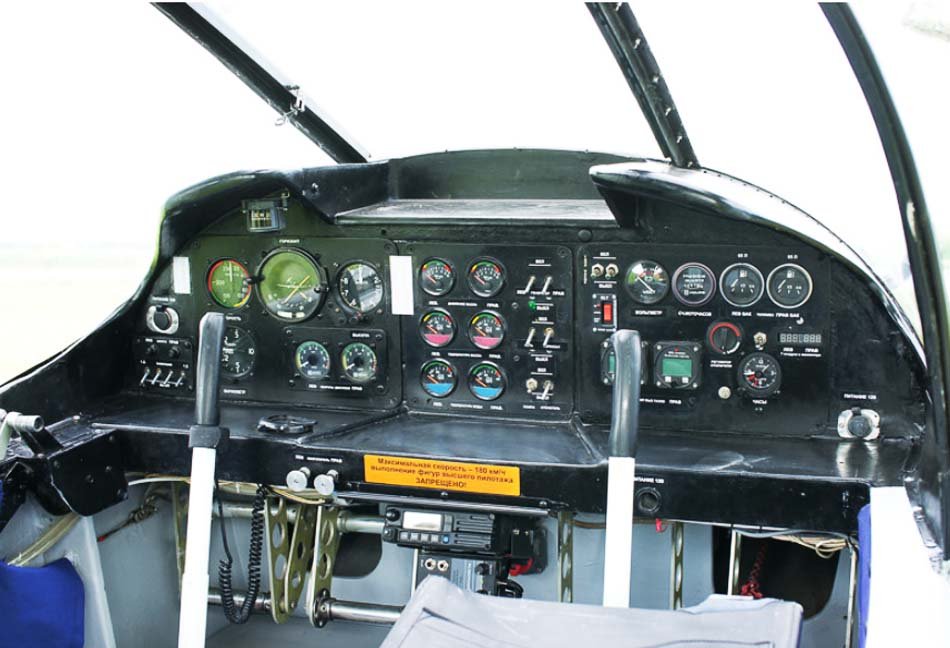
The Che-25 is a five-seat, twin-engine general-purpose amphibian aircraft, specifically designed for flights in regions with extensive waterways. Developed by Boris Chernov, it adheres to both domestic and international airworthiness standards for light aircraft.
The prototype for the Che-25 was built and tested at OKB-LA in 1996. This aircraft draws its lineage from the Che-20 and Che-22 models, with the latter currently manufactured by the “Gidroplan” company under the “Korvet” brand.
Design Innovations and Heritage
The Che-25 boasts several significant distinctions from the Che-22 “Korvet,” reflecting advancements in its design and capabilities. These improvements enhance its operational versatility and performance.
Advanced Manufacturing and Powerplants
Currently, the Che-25 is constructed utilizing 100% matrix technologies, ensuring a robust yet lightweight airframe. It is powered by reliable Rotax-582 and Rotax-912ULS engines, making it an efficient and capable choice for a variety of amphibious missions.
Technical Specifications
| Modification | Che-25 |
| Wingspan, m | 12.60 |
| Aircraft length, m | 7.70 |
| Aircraft height, m | 2.50 |
| Wing area, m2 | 16.38 |
| Empty weight | 630 |
| Maximum takeoff weight | 1150 |
| Internal fuel, kg | 60 |
| Engine type | 2 Piston engines Rotax 912ULS |
| Power, hp | 2 x 100 |
| Maximum speed, km/h | 200 |
| Cruising speed, km/h | 160 |
| Practical range, km | 900 |
| Max. operational G-load | 4 |
| Crew, crew members | 1-2 |
| Payload | up to 5 passengers |
Image gallery of the Che-25