The Legacy of Sylvester Wittman
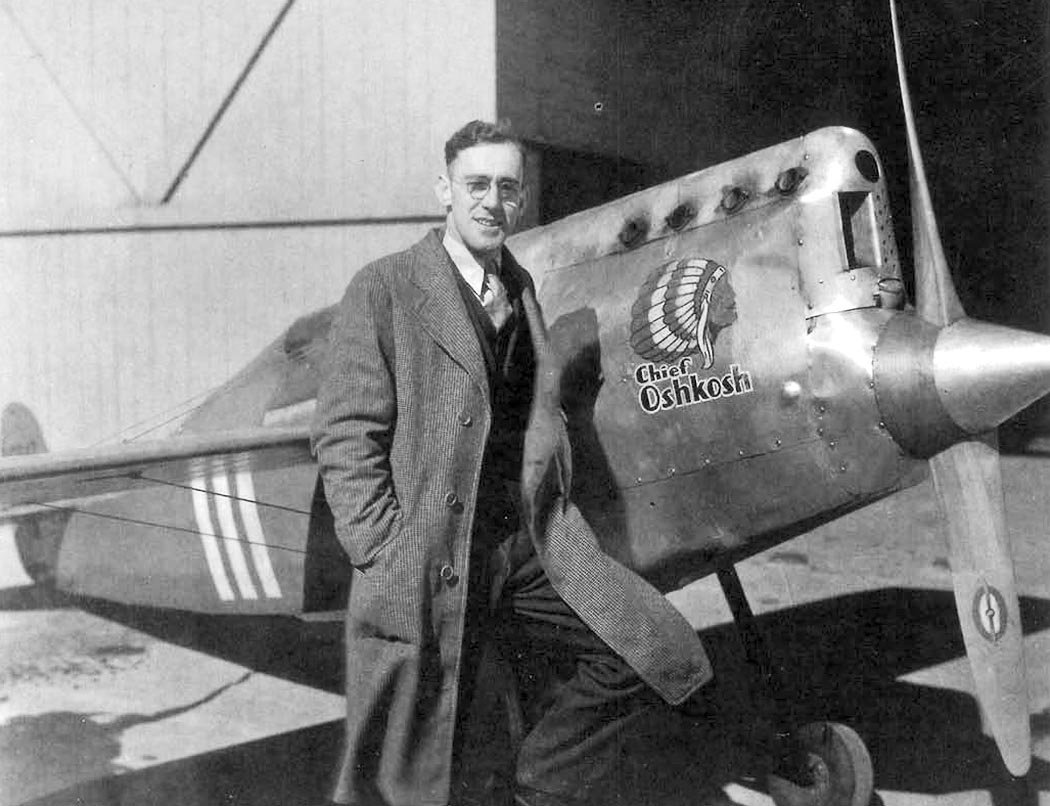
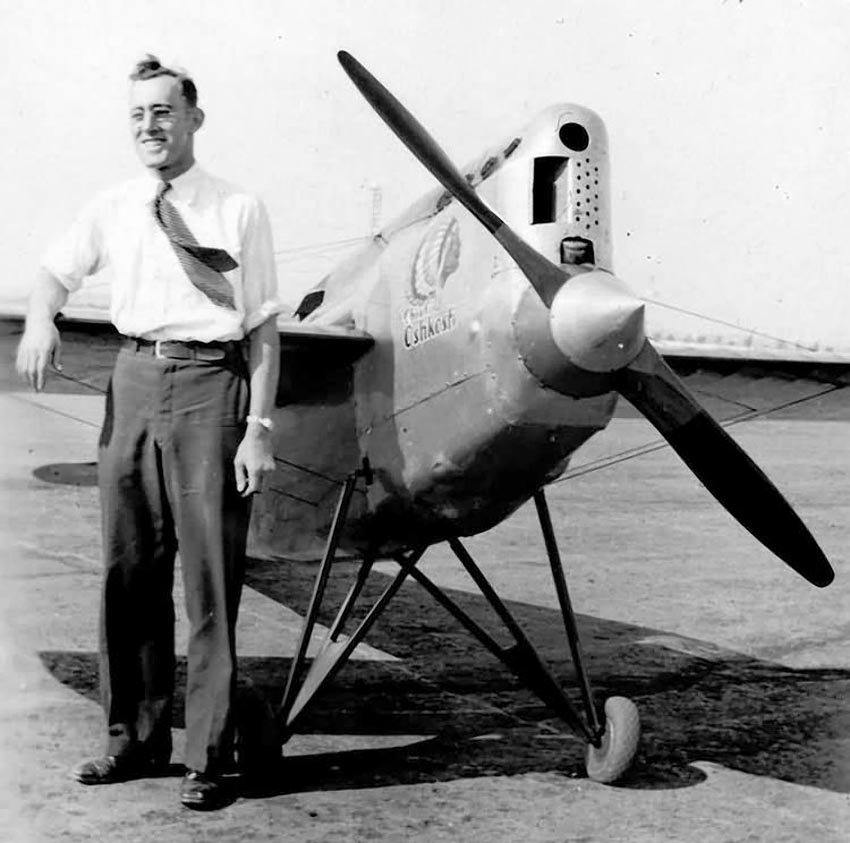
Sylvester Wittman (1904-1995), known among his friends as “Witt” or “Steve,” was one of the greatest—perhaps the greatest—closed-course racing pilot in history. From 1926 to 1989, Wittman participated in and won more air races than anyone else. He also built some of the world’s most successful racing aircraft.
Wittman learned to fly in 1924 on a Standard J-1 biplane he bought with a friend. Two years later, he first participated in air races in Milwaukee, and in 1928, Steve Wittman first competed in the National Air Races in Florida. In 1931, Wittman moved to Oshkosh, Wisconsin, to manage the Oshkosh airport.
Origins and Early Success of the Chief Oshkosh
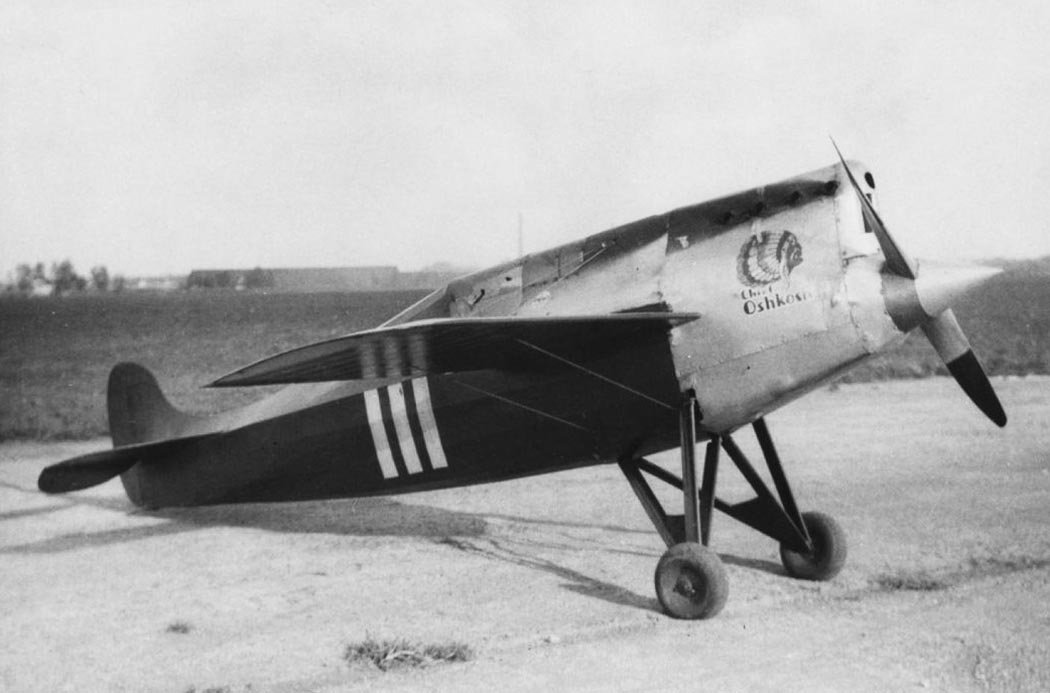
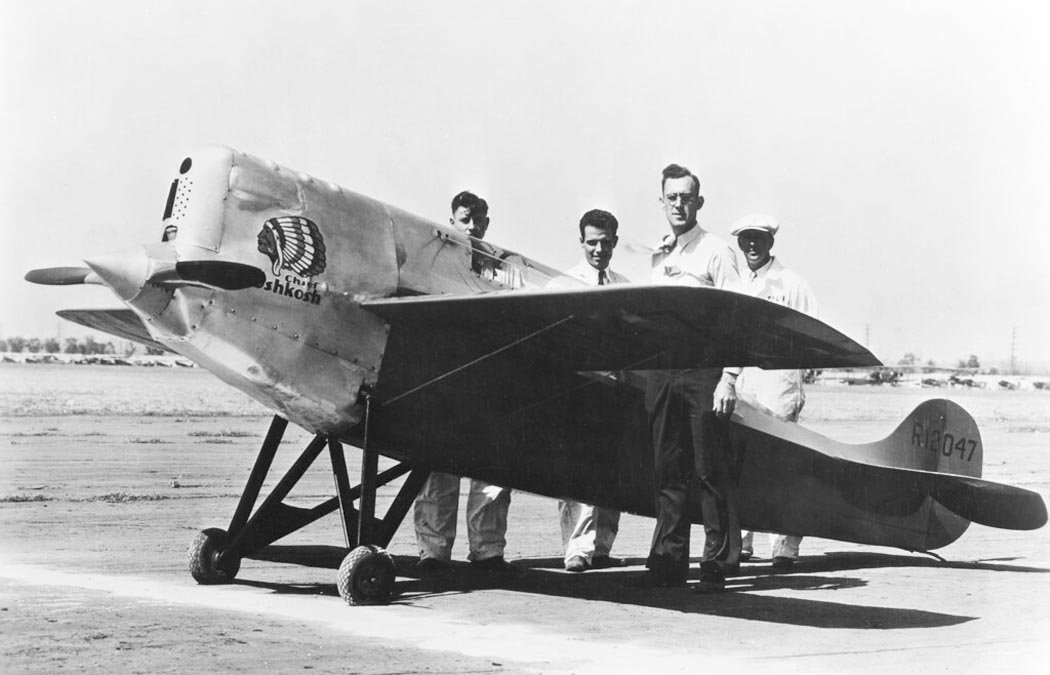
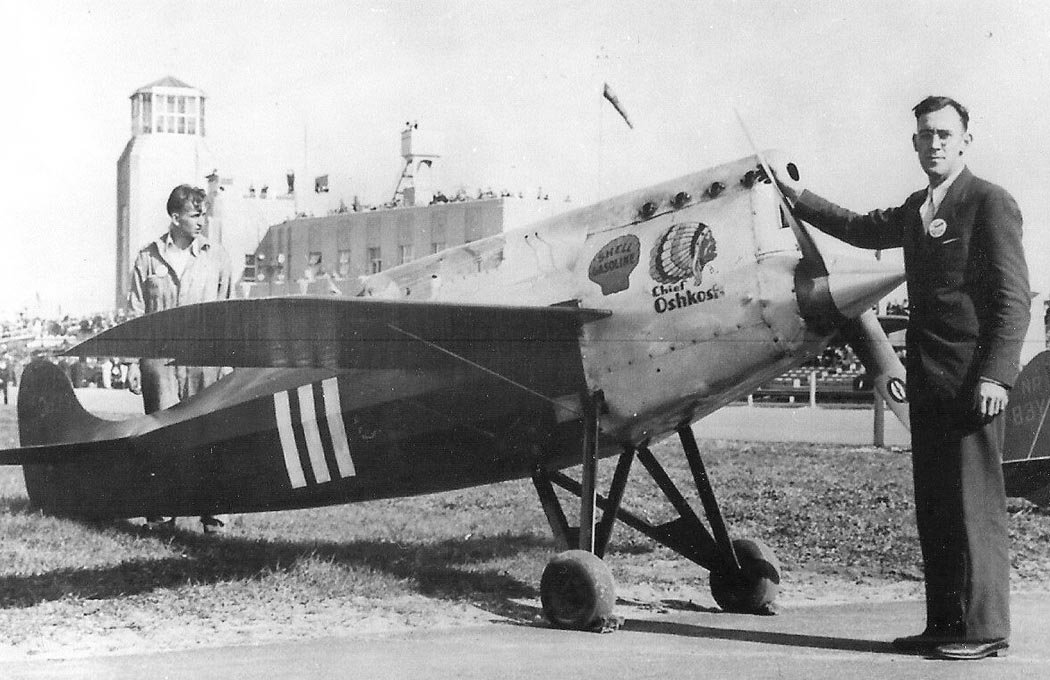
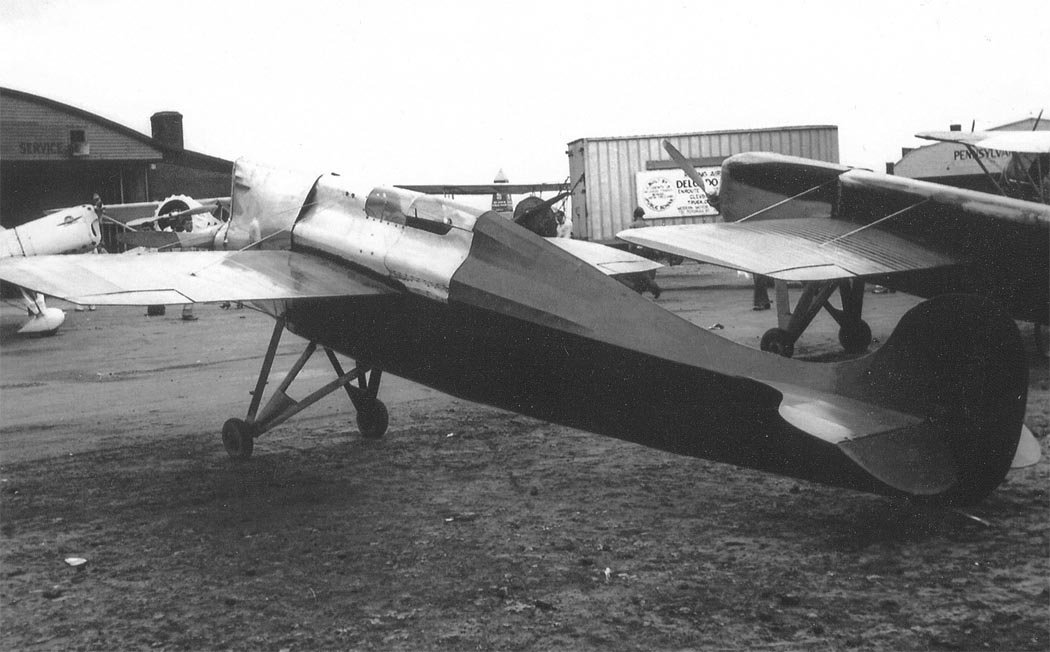
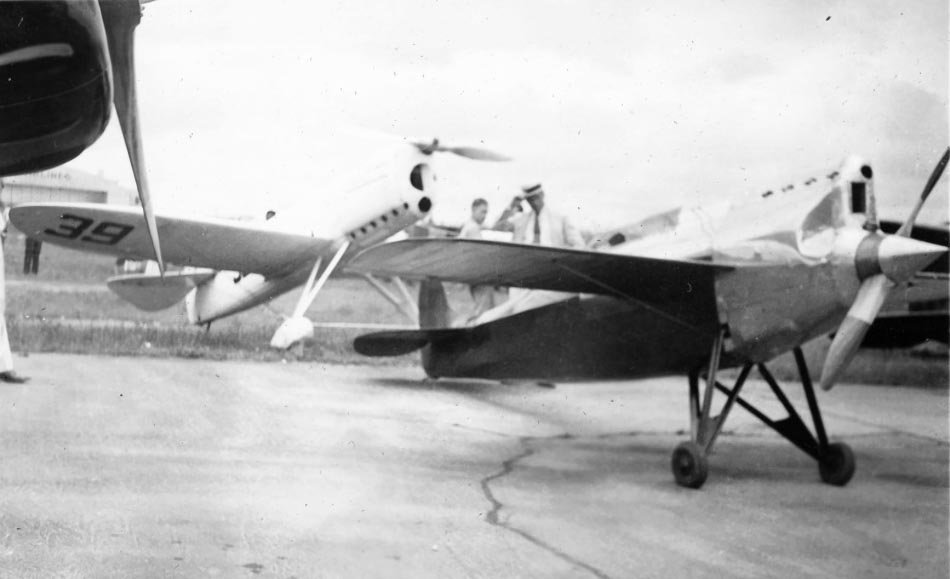
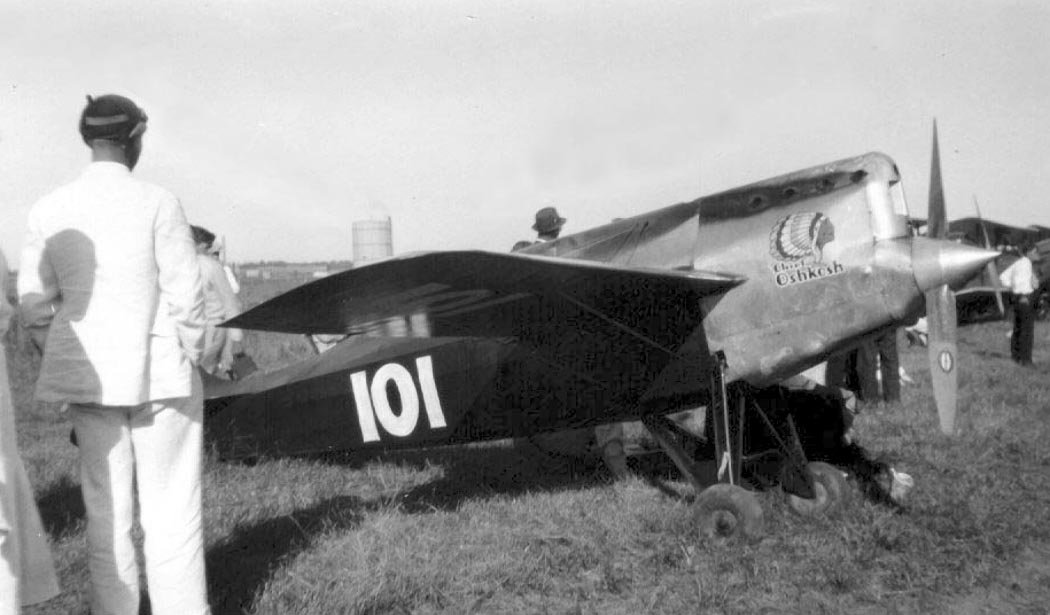
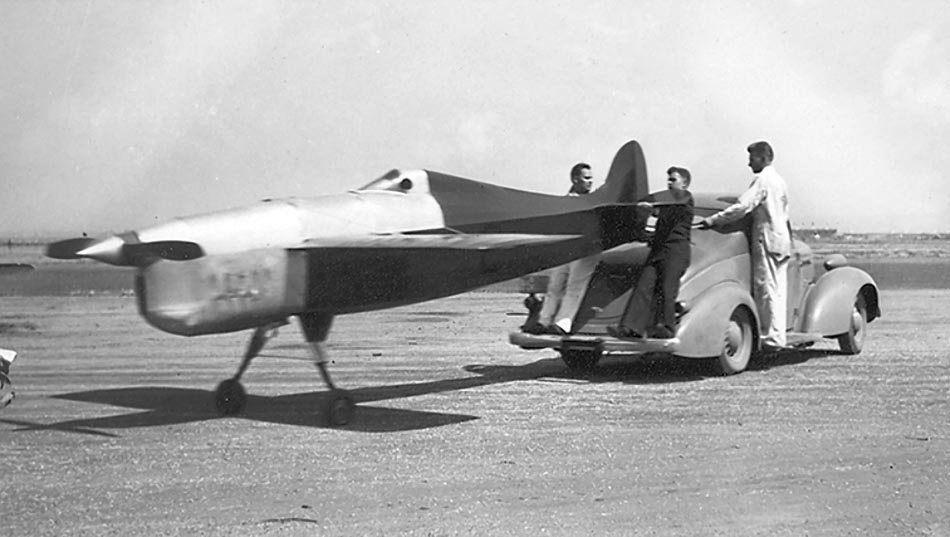
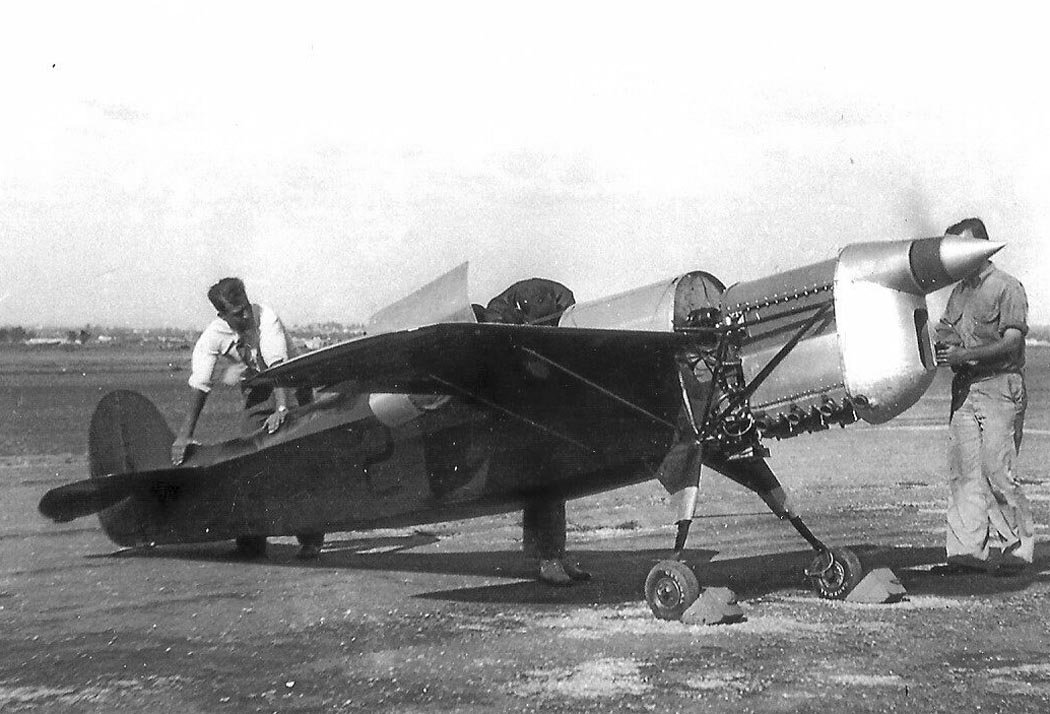
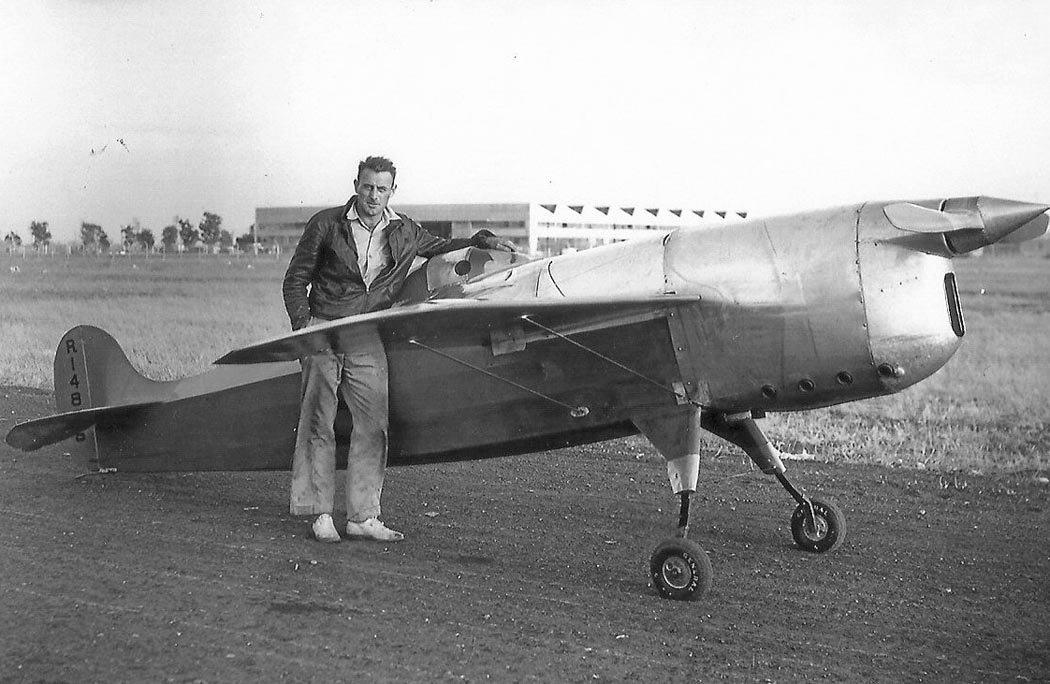
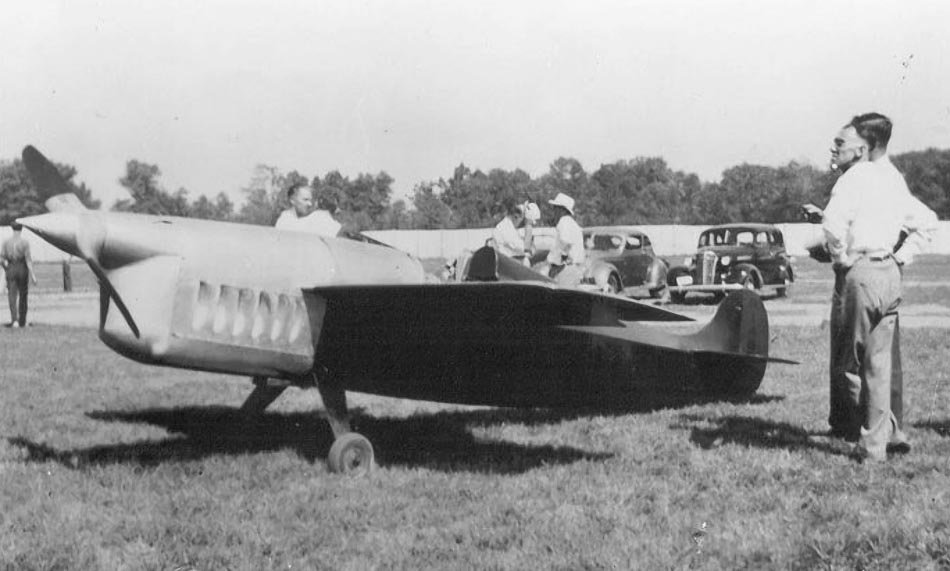
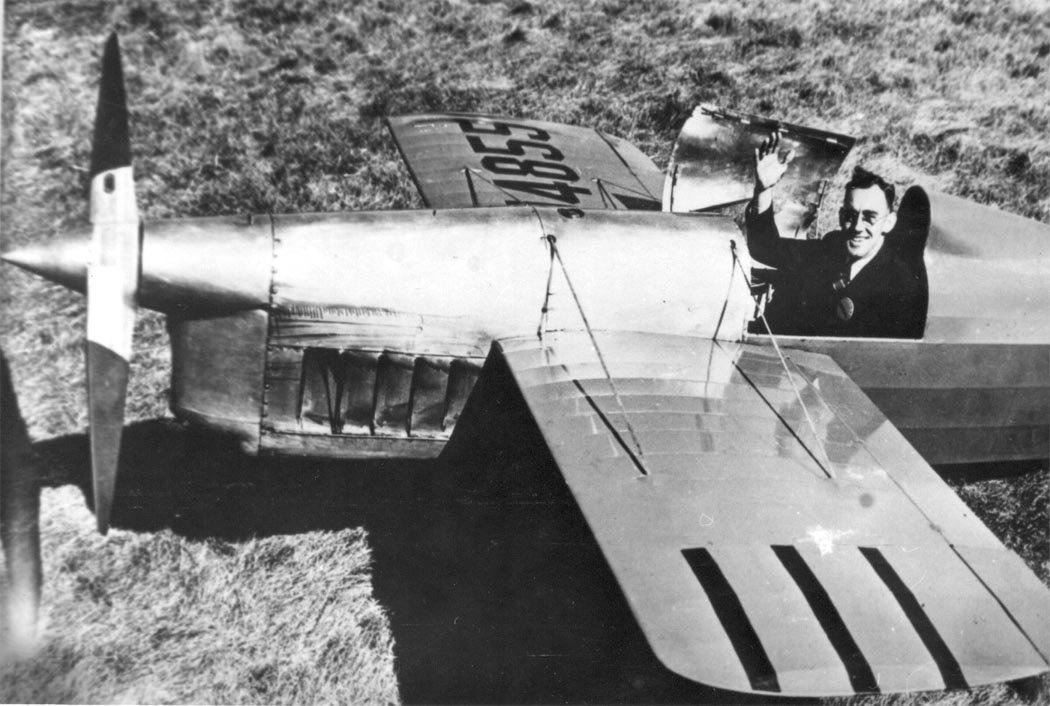
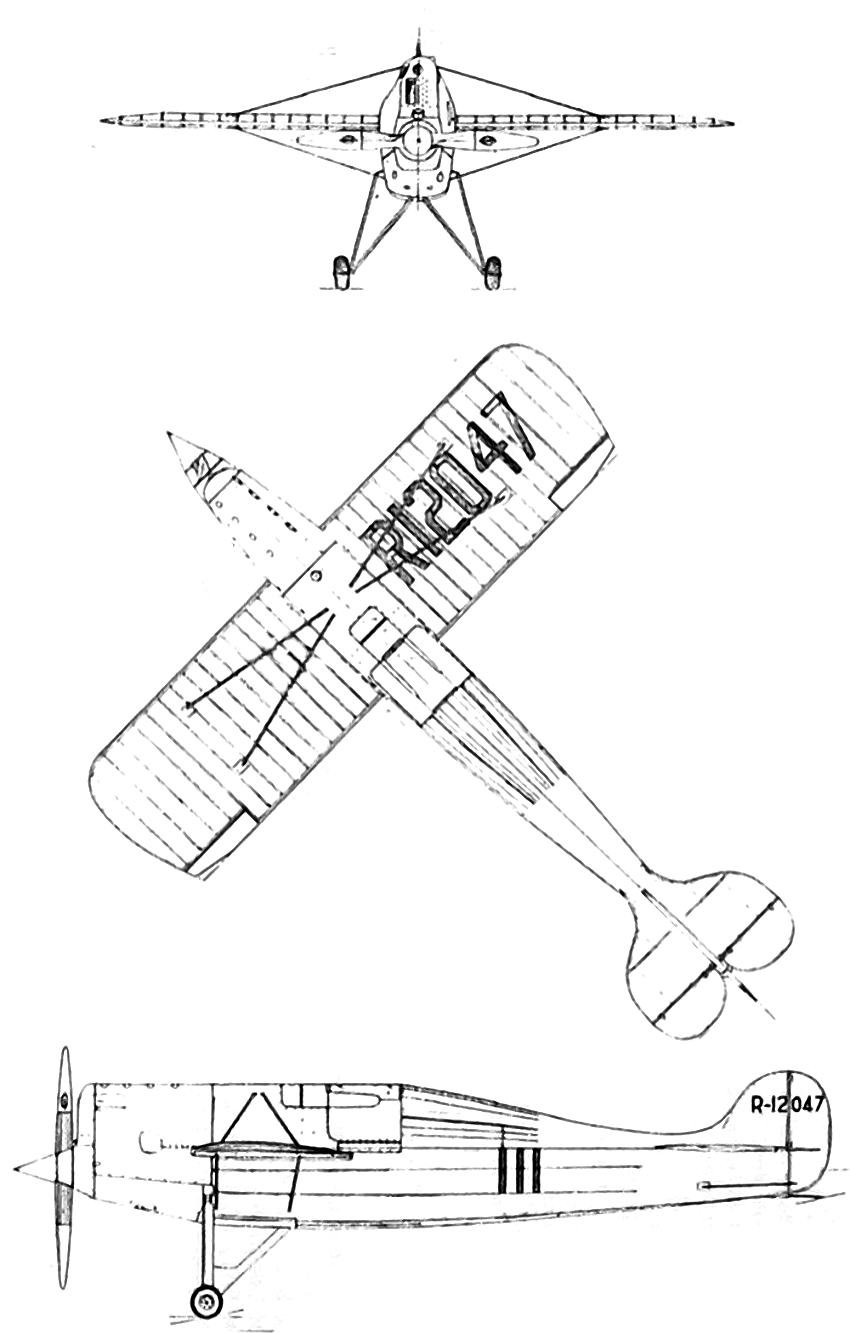
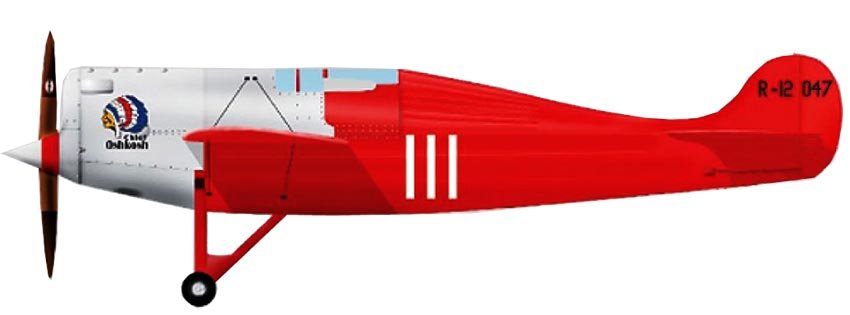
It was there that Wittman designed and built his first home-built racing aircraft, the “Chief Oshkosh” (R12047). This was a single-seat mid-wing monoplane, initially equipped with a 90 hp American Cirrus engine. In its first participation in the National Air Races, Wittman, flying the Chief Oshkosh, took third place in its class (aircraft with engines up to 400 cubic inches), reaching a speed of 150.27 mph (241.84 km/h), despite issues with wing flutter.
Later that same year, after modifications, Wittman competed in the New York Air Races, winning five races in the class up to 350 cubic inches and finishing second in the “free” race. In 1932, the Chief Oshkosh was fitted with a 110 hp Cirrus Hermes engine, and that year at the National Air Races, the designer secured one first and one second place, an achievement he repeated the following year.
Evolution and World Records
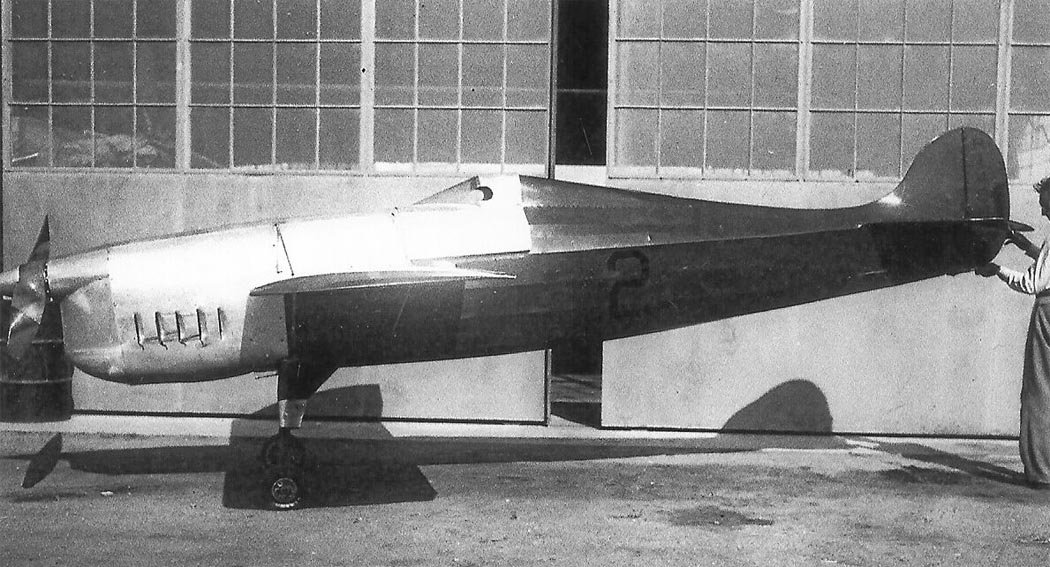
Despite his successes, Sylvester Wittman constantly refined the aircraft’s design. In 1934, the Chief Oshkosh received shorter-span wings (4.90 meters). Two years later, the aircraft was fitted with a 363 cubic inch Menasco CS-4 engine, which drastically altered the machine’s “appearance.”
From 1931 to 1937, with engines ranging from 90 to 150 horsepower, the Chief Oshkosh won numerous races and participated “for money” in many others, competing against more powerful aircraft. In 1937, Wittman, piloting the Chief Oshkosh, set a world record in its class, reaching a speed of 238.22 mph (383.296 km/h).
In 1938, the Chief Oshkosh was destroyed. Its remaining parts were later used by Wittman to create the racing aircraft Buster after the end of World War II.
Technical Specifications
| Modification | Chief Oshkosh |
| Wingspan, m | 5.74 |
| Length, m | 5.54 |
| Wing area, m2 | 6.32 |
| Engine type | 1 Piston engine American Cirrus |
| Power, hp | 1 x 90 |
| Maximum speed, km/h | 242 |
| Crew, crew members | 1 |
Image gallery of the Chief Oshkosh