 Entrenamiento
C-22J
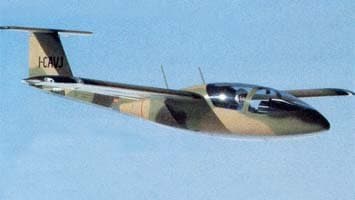
Descubre el Caproni Vizzola C-22J, un prototipo de avión entrenador a reacción ligero italiano de 1980. Explora su diseño único y su destino.
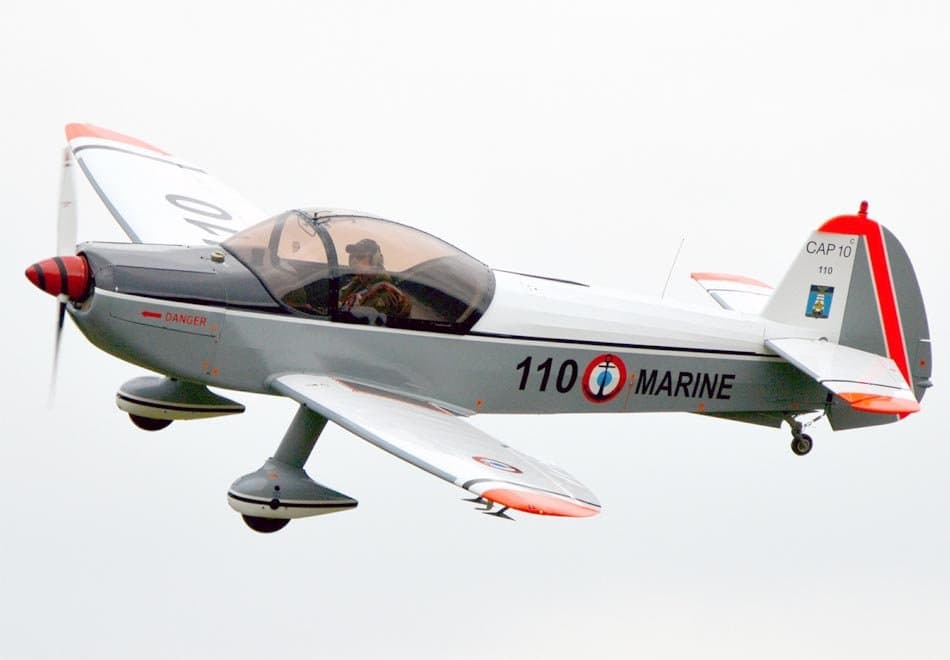
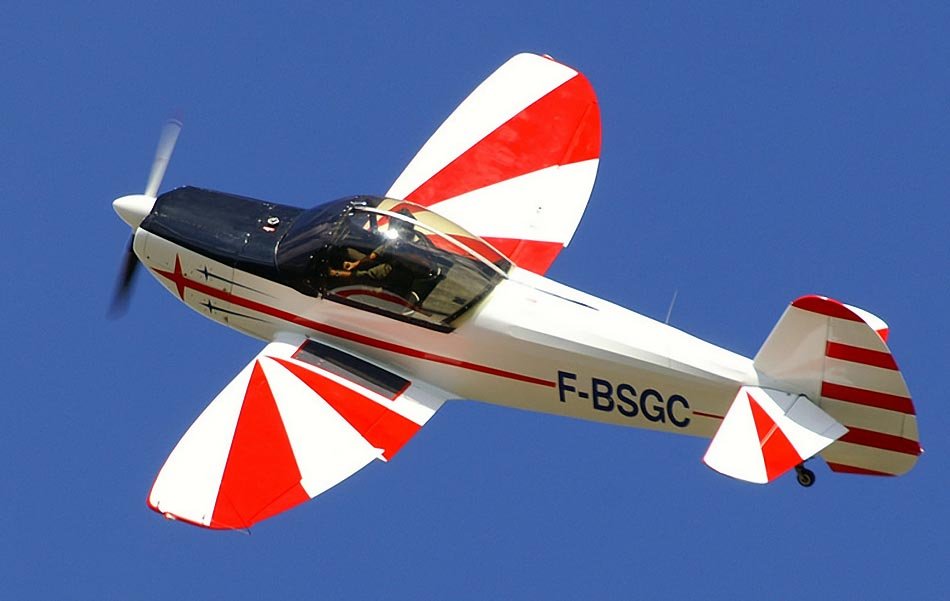
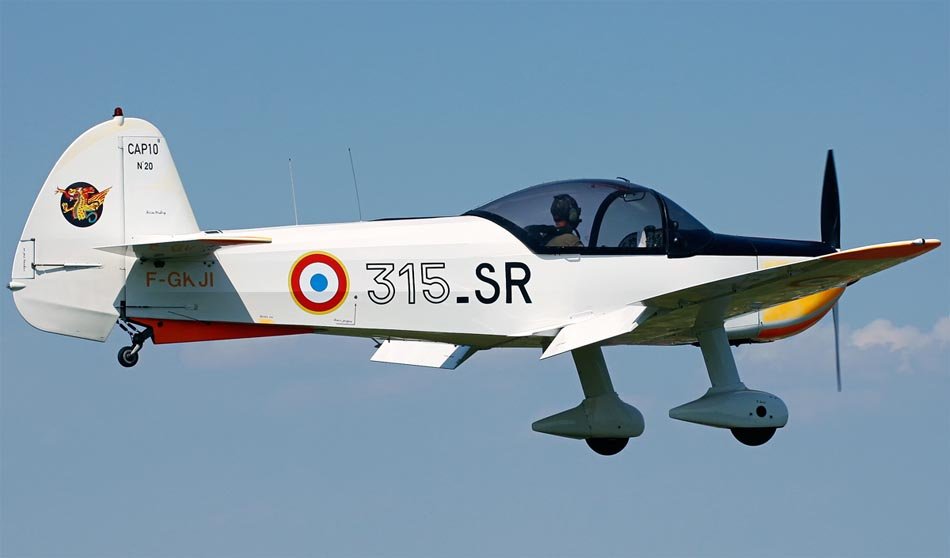
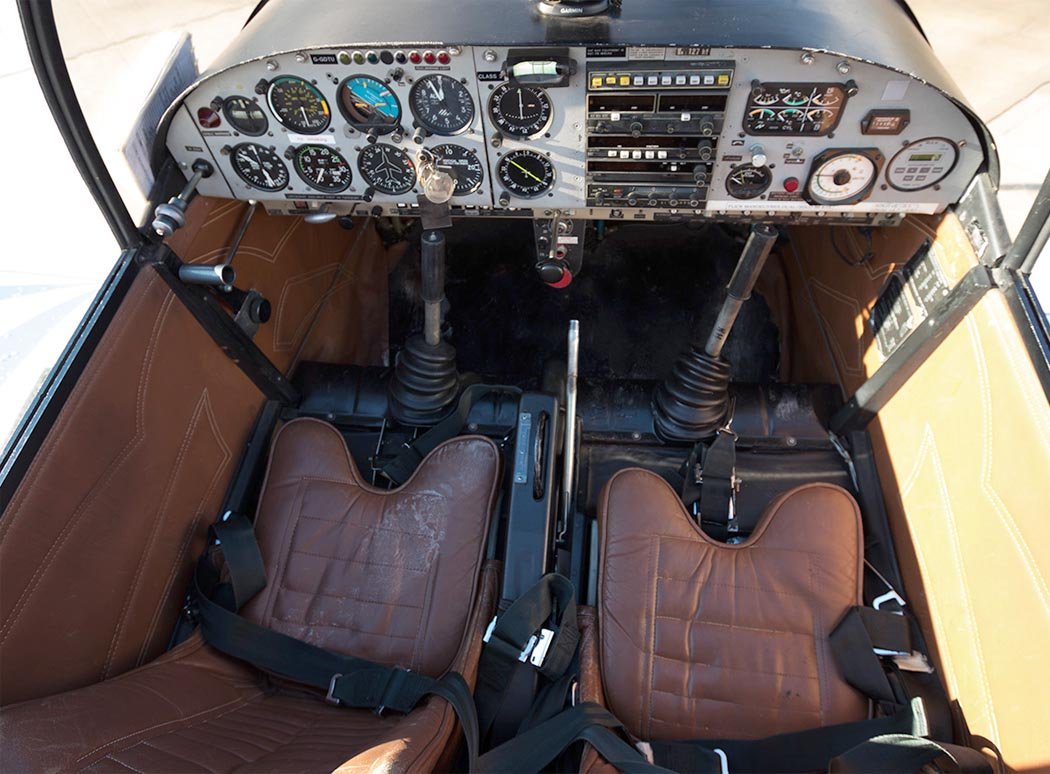
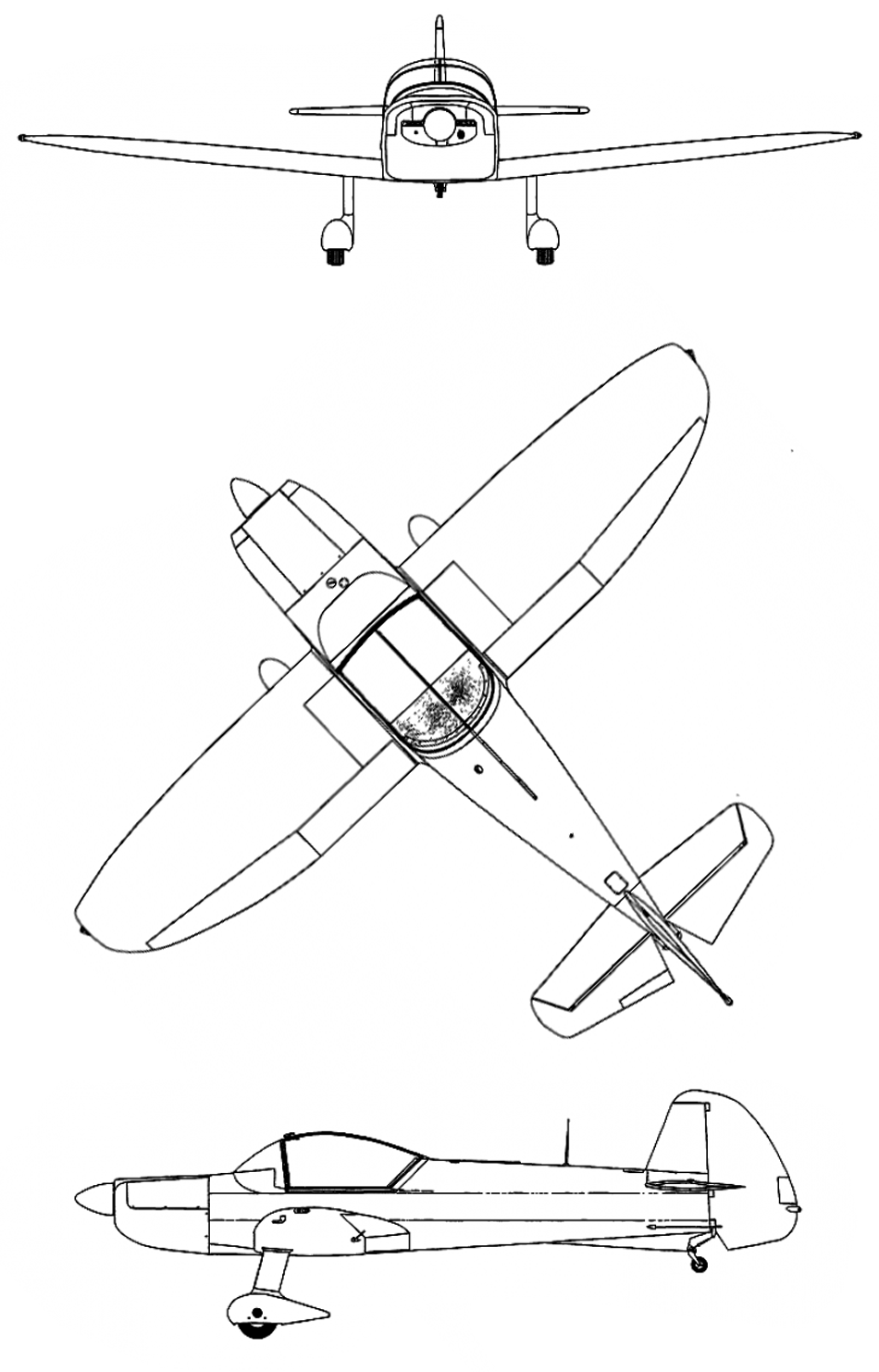
Auguste Mudry established Avions Mudry et Cie in Bern in 1958. The company’s first (and most successful) project was the two-seater light aerobatic aircraft, the Mudry CAP.10 B, which could also be used for sports or training purposes.
This aircraft was a cantilever low-wing monoplane featuring a wooden frame and a mixed plywood-and-fabric skin. The production variant was equipped with a four-cylinder Avco Lycoming AEIO-360-B2F piston engine.
The CAP.10 prototype first took to the air in August 1968 (the CAP.10 B aircraft differed with a redesigned tail). By early 1992, a total of 260 machines had been built. Almost half of them were intended for military customers.
| Modification | CAP 10 |
| Wingspan, m | 8.06 |
| Length, m | 7.16 |
| Height, m | 2.55 |
| Wing area, m2 | 10.85 |
| Empty weight | 550 |
| Normal takeoff weight | 760 |
| Maximum takeoff weight | 830 |
| Fuel capacity, l | 108 |
| Engine type | 1 Piston engine Textron Lycoming AEIO-360-B2F |
| Power, hp | 1 x 180 |
| Maximum speed at altitude, km/h | 340 |
| Maximum speed at sea level, km/h | 270 |
| Cruising speed, km/h | 250 |
| Practical range, km | 1000 |
| Maximum rate of climb, m/min | 480 |
| Practical ceiling, m | 5000 |
| Max. operational G-load | 6 |
| Crew, crew members | 2 |
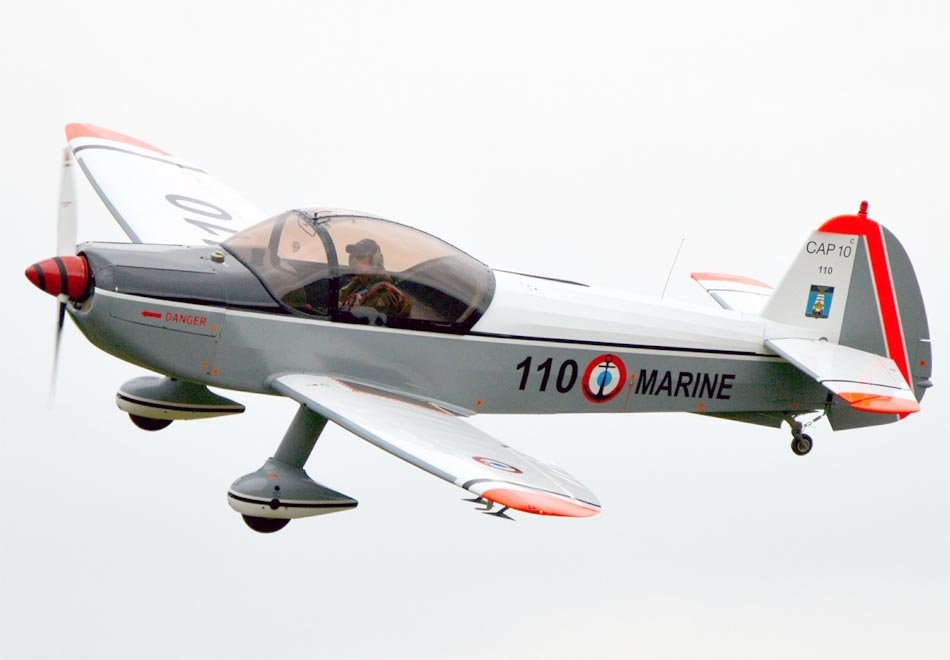 CAP.10 |
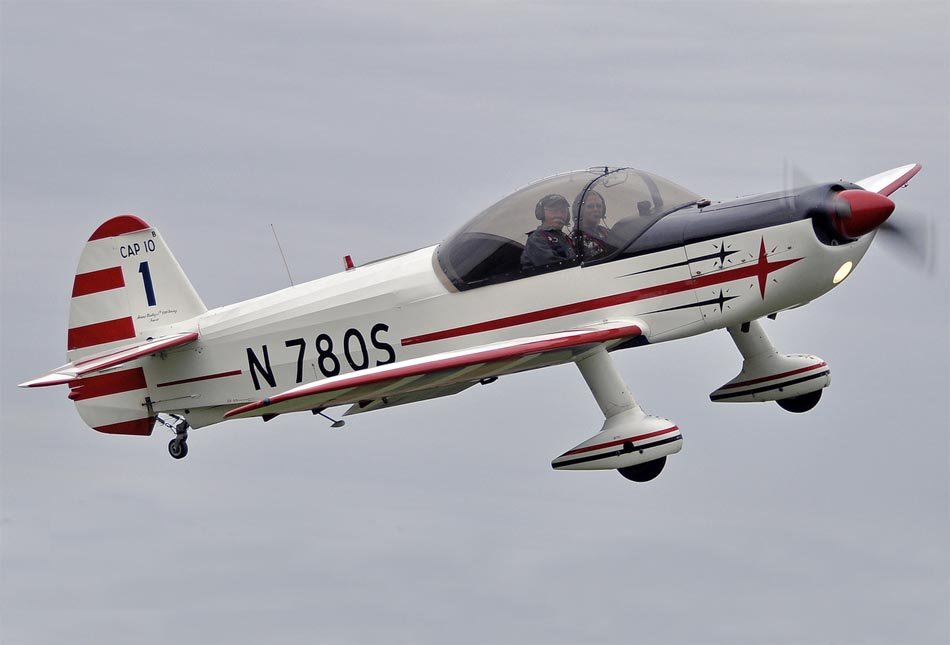 CAP.10 |
 CAP.10 |
 CAP.10 |
 CAP.10 |
 CAP.10 |
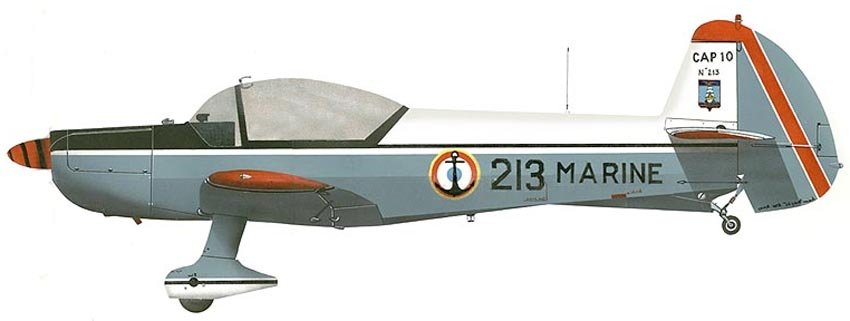 CAP.10 |
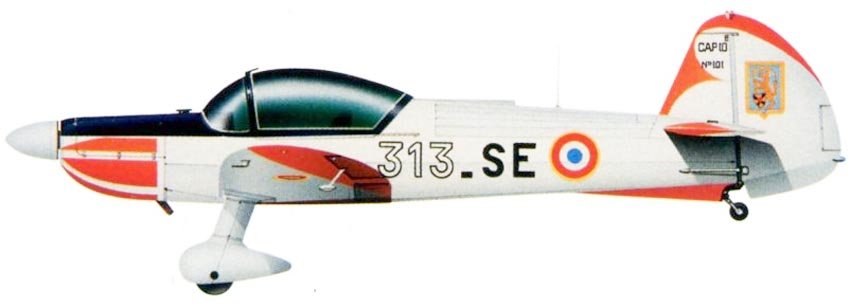 CAP.10 |
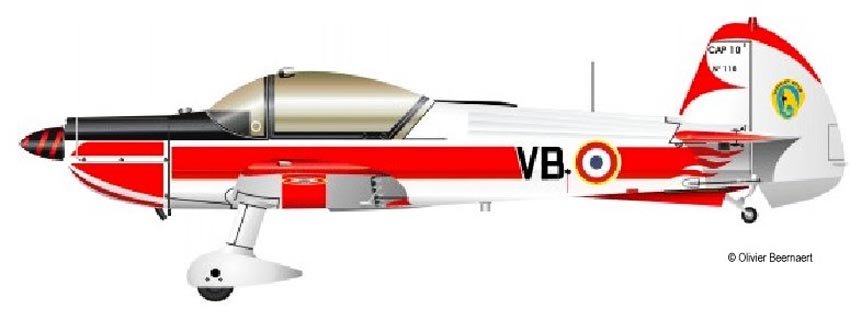 CAP.10 |
Grupo de investigadores y entusiastas de la aviación dedicados a documentar y preservar la historia aeronáutica mundial. Todos los artículos son revisados para garantizar precisión histórica.
La información presentada en esta ficha técnica ha sido compilada a partir de manuales de vuelo desclasificados, archivos históricos y bibliografía especializada. Aunque nos esforzamos por mantener la máxima precisión, algunos datos de rendimiento pueden variar según la variante específica o las condiciones operativas.
EntrenamientoDescubre el Caproni Vizzola C-22J, un prototipo de avión entrenador a reacción ligero italiano de 1980. Explora su diseño único y su destino.
 Entrenamiento
Descubre el innovador autogiro Cierva C.19 de 1929, con avances como el giro automático del rotor y palas en voladizo, clave en la aviación.
 Entrenamiento
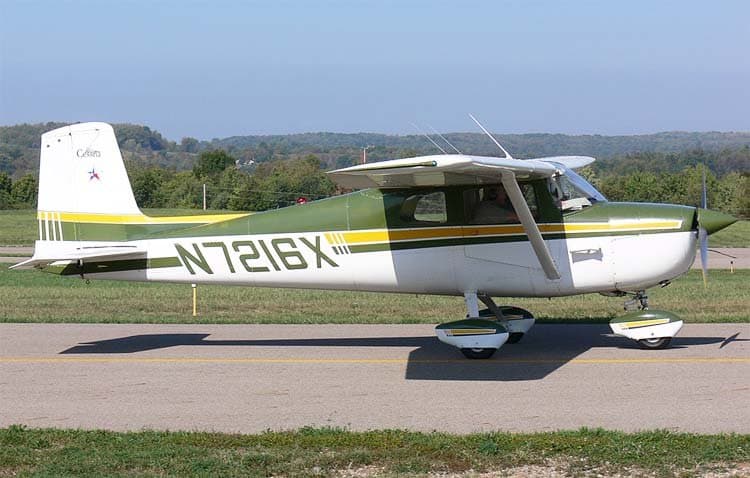
Descubre el Cessna 150: su diseño, variantes como el Aerobat y producción global. Un avión ligero biplaza icónico, propulsado por un motor O-200-A.
 Entrenamiento
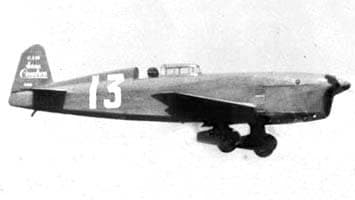
Descubre el Caudron C.450, el avión de carreras francés que rompió récords en 1934 con Maurice Arnoux y Hélène Boucher, pionera de la aviación.