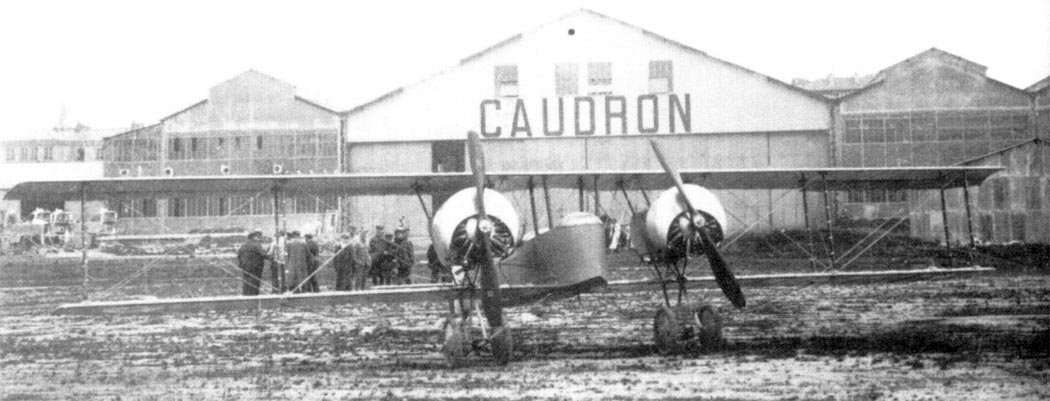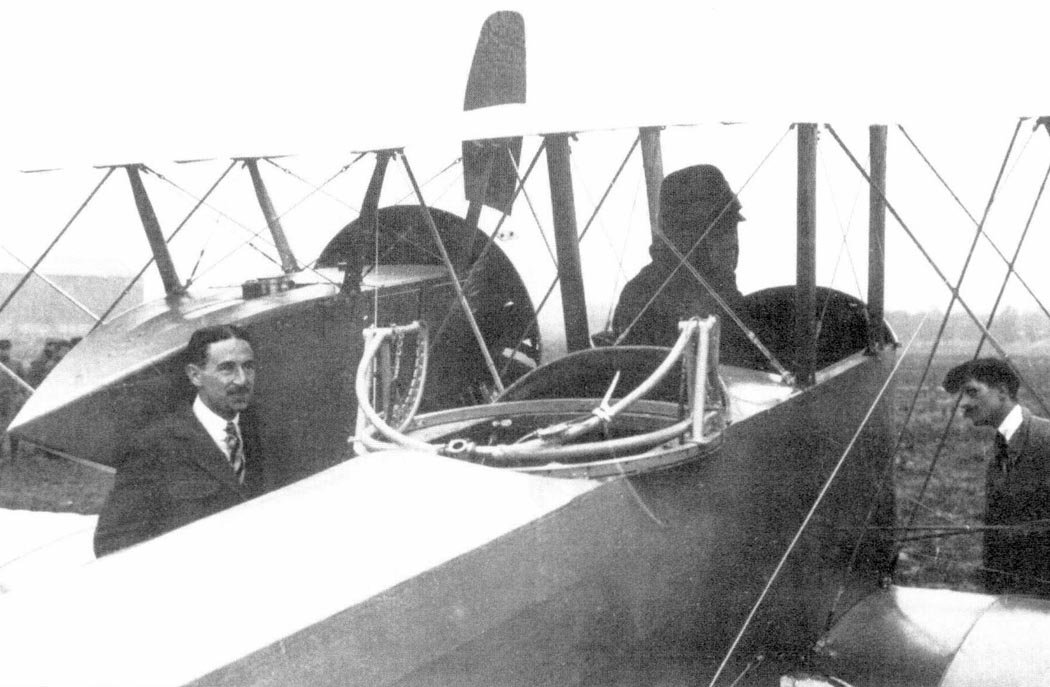
The idea to create a new bomber arose in late 1916, when it became clear that the production aircraft Caudron R.4 of the same type was becoming obsolete and no longer met expectations. Pilots criticized it for insufficient maneuverability and a tendency to enter uncontrollable dives. Work on the aircraft, designated Caudron R.10, was started by René Caudron, despite the death of his brother Gaston.
Development and Initial Design
Subsequently, the project was continued by the well-known design engineer Paul Deville, who was specially invited to the Caudron firm for this purpose. The new light bomber became a further development of the R.4 and G.6 production machines.
Features and Limitations
It was a two-seat, two-bay biplane, equipped with two Le Rhine 9C nine-cylinder radial engines, each producing 80 hp. However, already during the first flights in March 1916, it became clear that the power plant was too underpowered for such an aircraft. The project was therefore abandoned in favor of the more advanced Caudron R.11.
Technical Specifications
| Modification | R.10 |
| Wingspan, m | 17. 44 |
| Engine type | 2 Piston engines Le Rhine 9C |
| Power, hp | 2 x 80 |
| Crew, crew members | 2 |
| Armament | Light bombs |
Image gallery of the Caudron R.10