Origins of the CLA.2
In 1923, Royal Air Force (RAF) Lieutenant Nicholas Comper joined the Cranwell Light Airplane (CLA) club. That same year, working with teachers and students from No.4 Apprentices Wing, he created the first light aircraft project, named CLA.1. However, this machine remained purely a paper design.
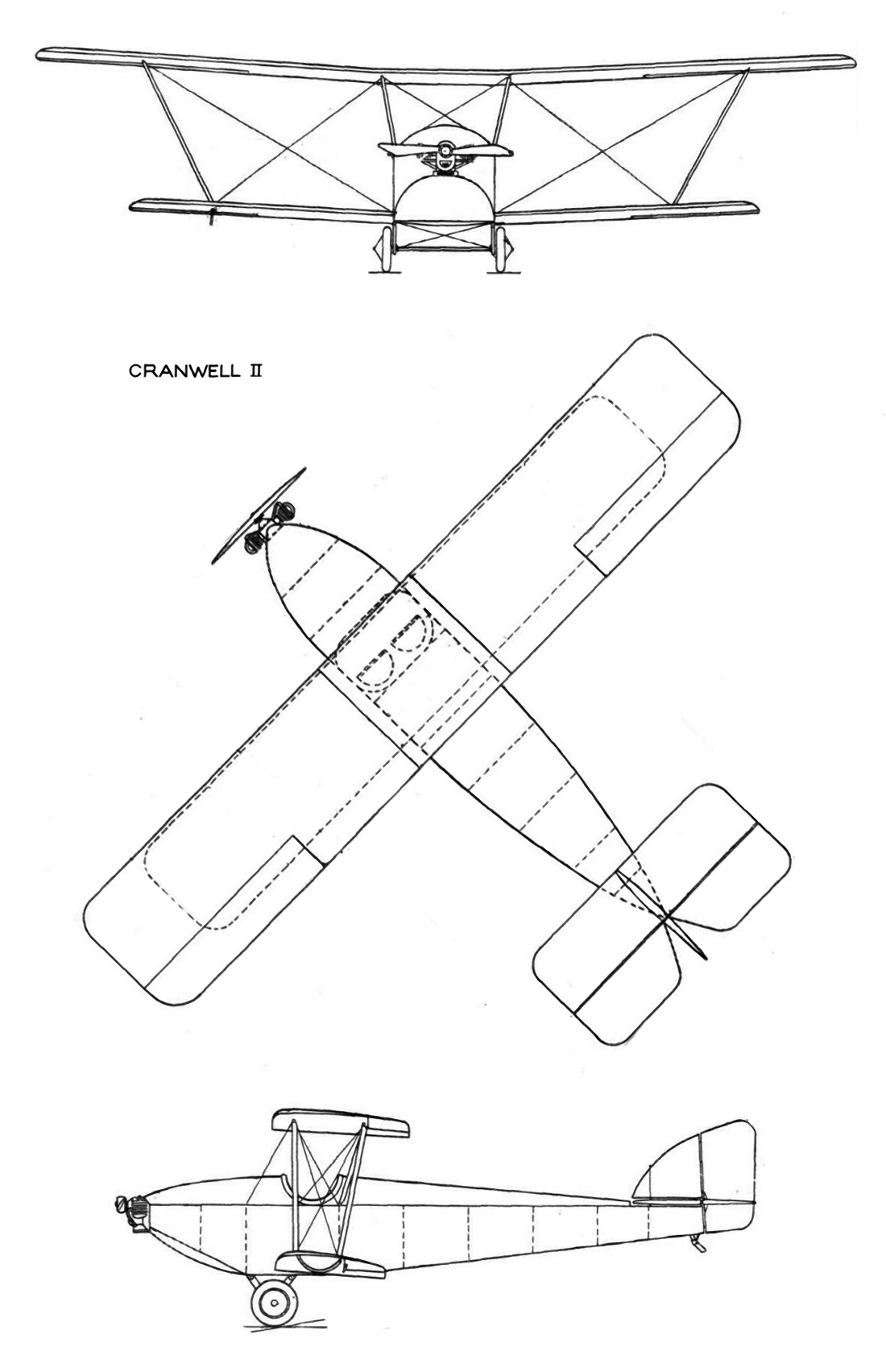
The following year, they succeeded in completing a second project, the CLA.2.
Design and Maiden Flight
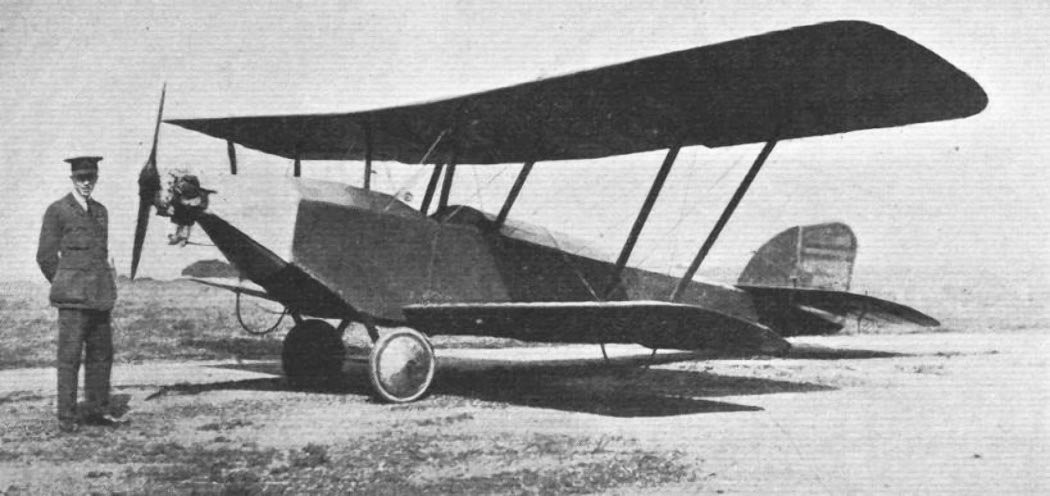
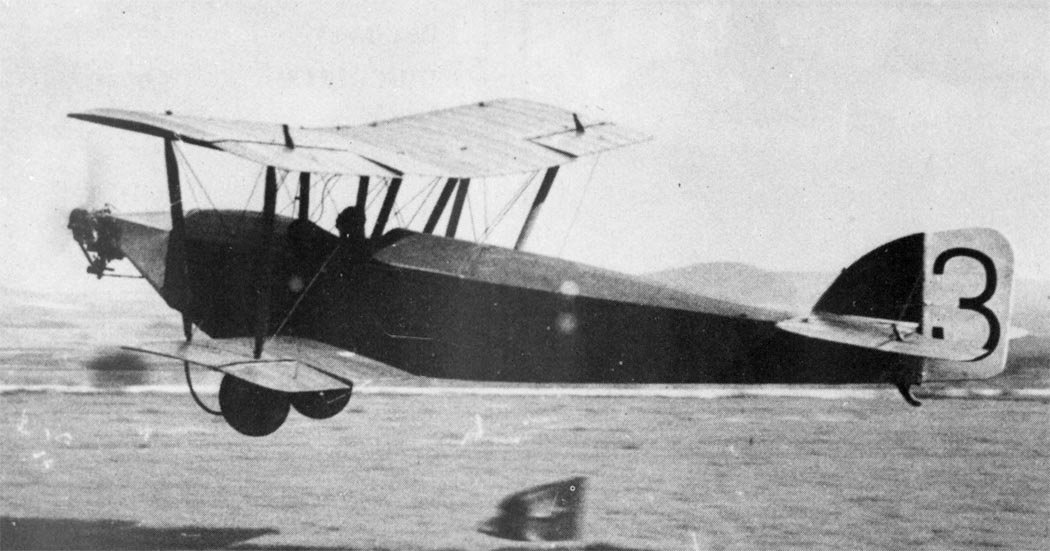
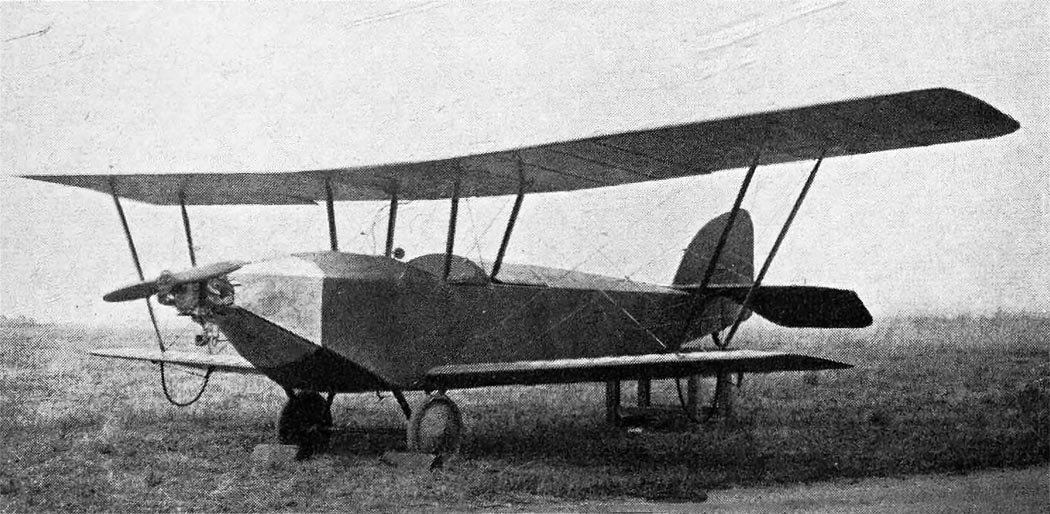
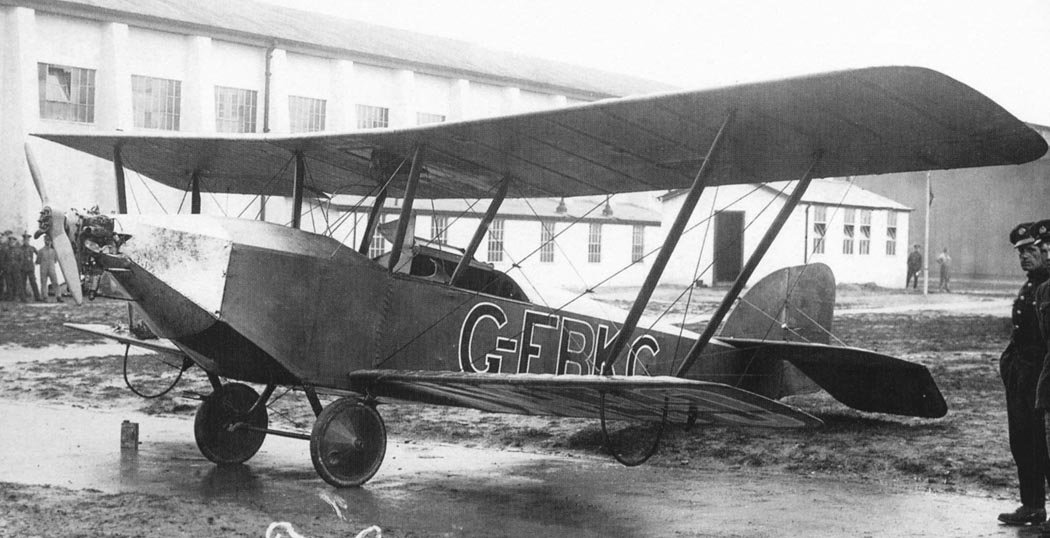
The CLA.2 was a two-seat, single-strut biplane featuring wings of different spans. It was powered by a 32 hp (24 kW) Bristol Cherub I piston engine with a two-bladed propeller. The aircraft’s first flight took place on September 14, 1924.
Competition and Testing
Just two weeks after its maiden flight, the CLA.2, bearing registration number G-EBKC, participated in the Lympne competitions. Although the aircraft did not achieve top placements, it was awarded a prize of £300 for the reliability of its design. The sole example of the aircraft was transferred to RAF Martlesham Heath, where it underwent testing until May 1925. The prize money from the competition and government compensation allowed the club to finance the construction of its next development, the CLA.3.
Technical Specifications
| Modification | CLA.2 |
| Wingspan (upper wing), m | 9.04 |
| Wingspan (lower wing), m | 7.21 |
| Aircraft length, m | 7.09 |
| Aircraft height, m | 2.05 |
| Wing area, m2 | 20.76 |
| Empty weight | 245 |
| Maximum takeoff weight | 407 |
| Engine type | 1 Piston engine Bristol Cherub I |
| Power, hp | 1 x 32 |
| Maximum speed, km/h | 101 |
| Cruising speed, km/h | 85 |
| Crew | 2 |
Image gallery of the CLA.2