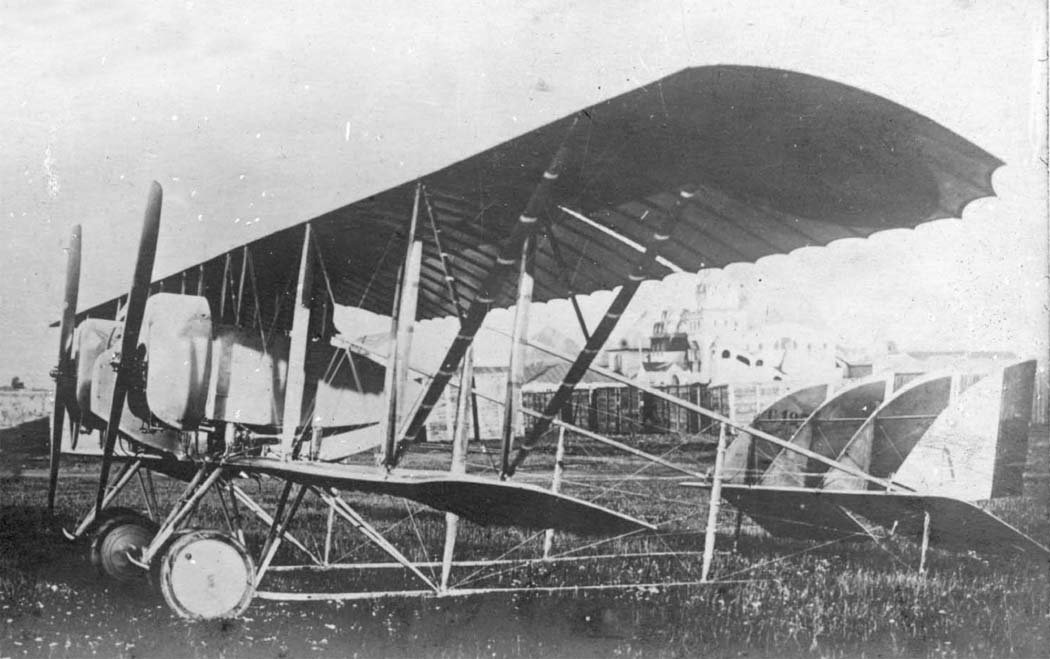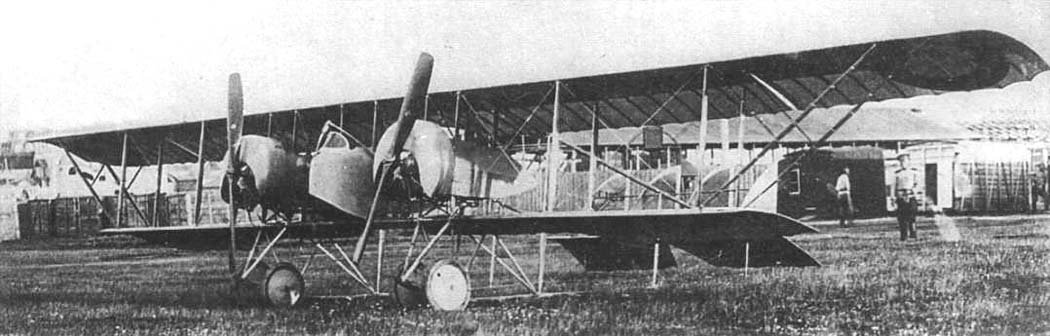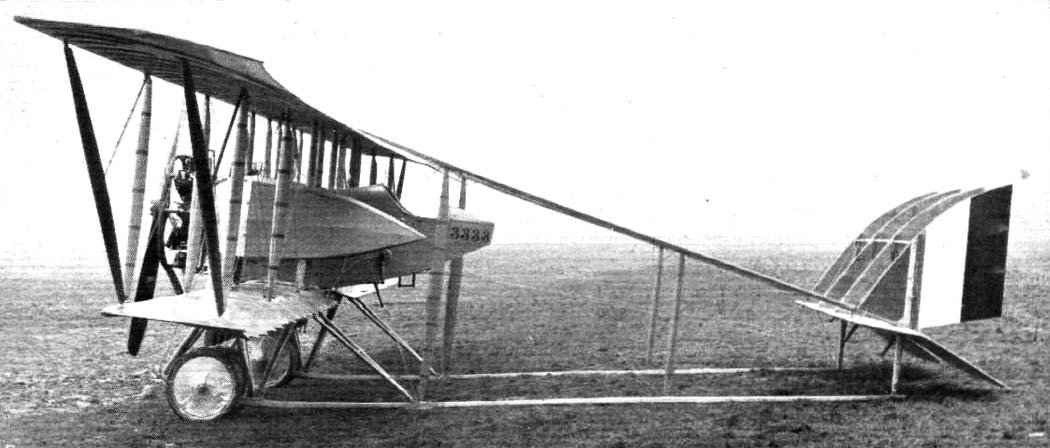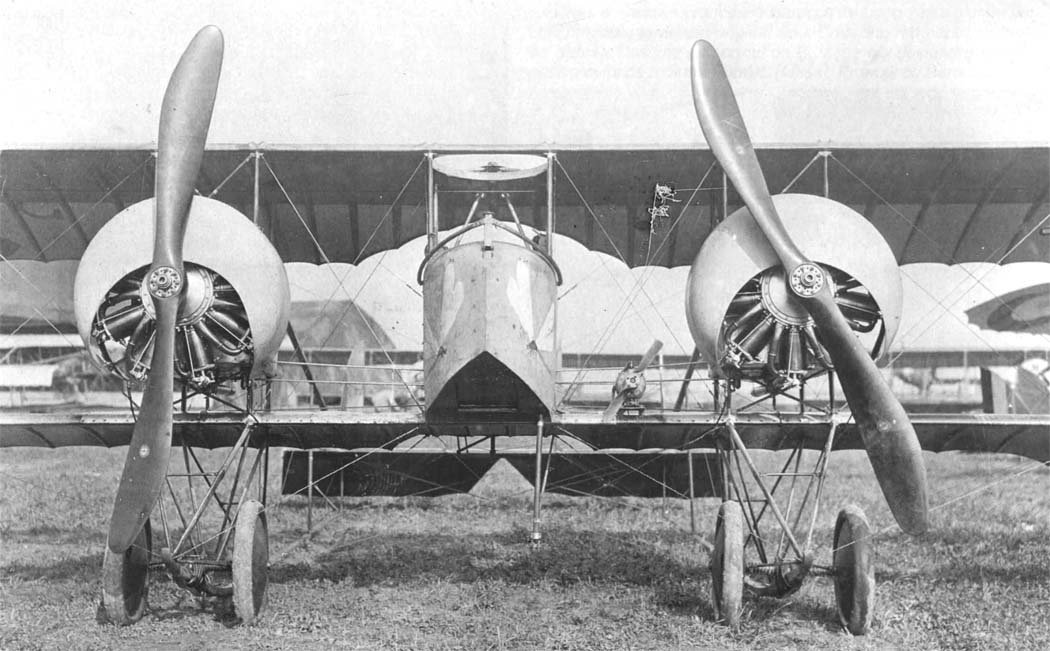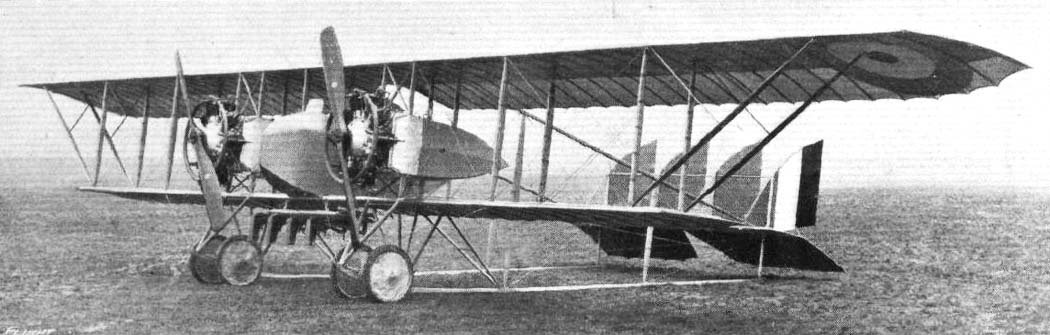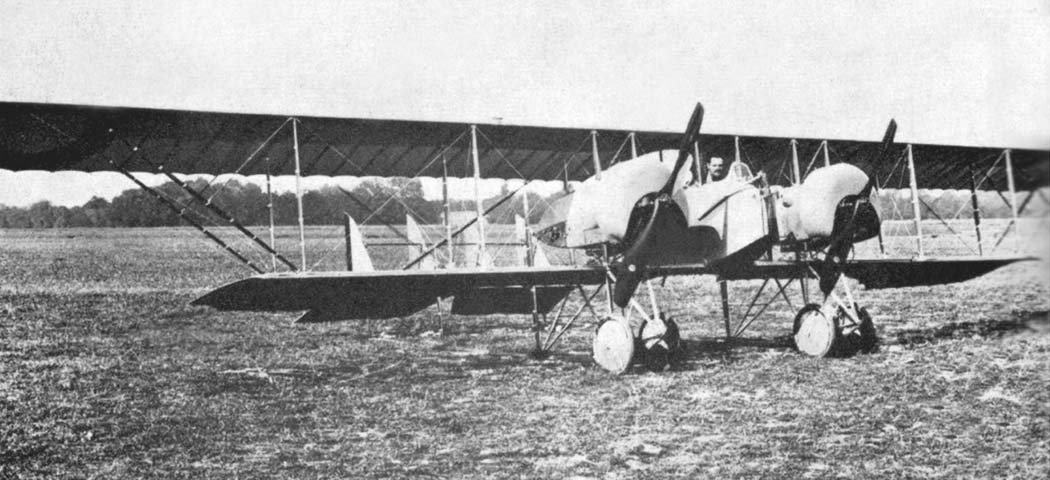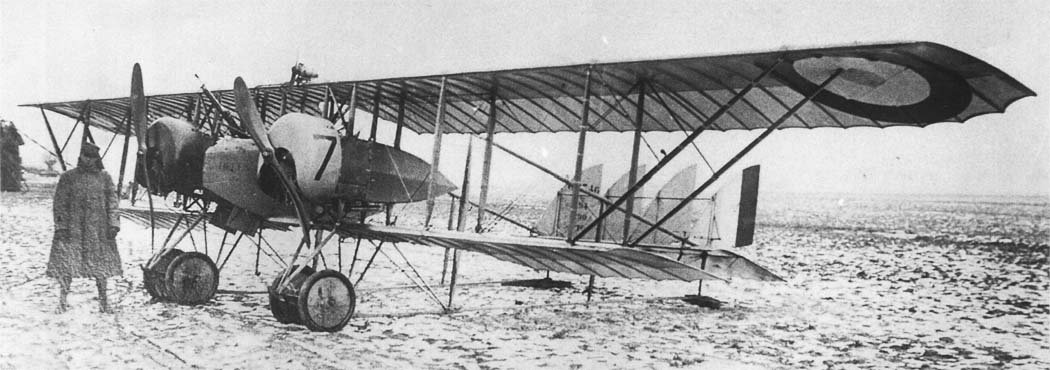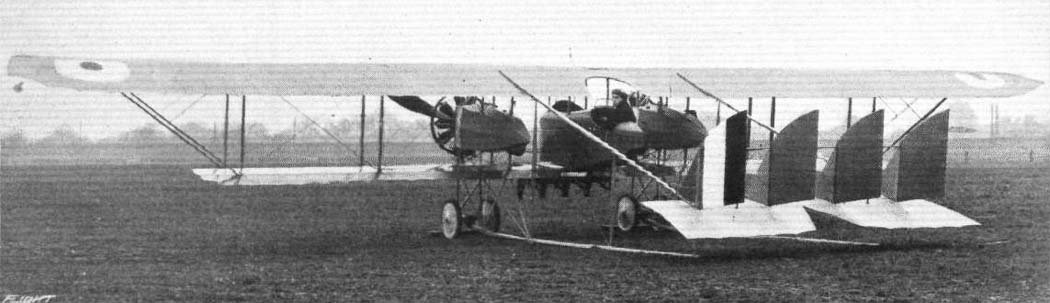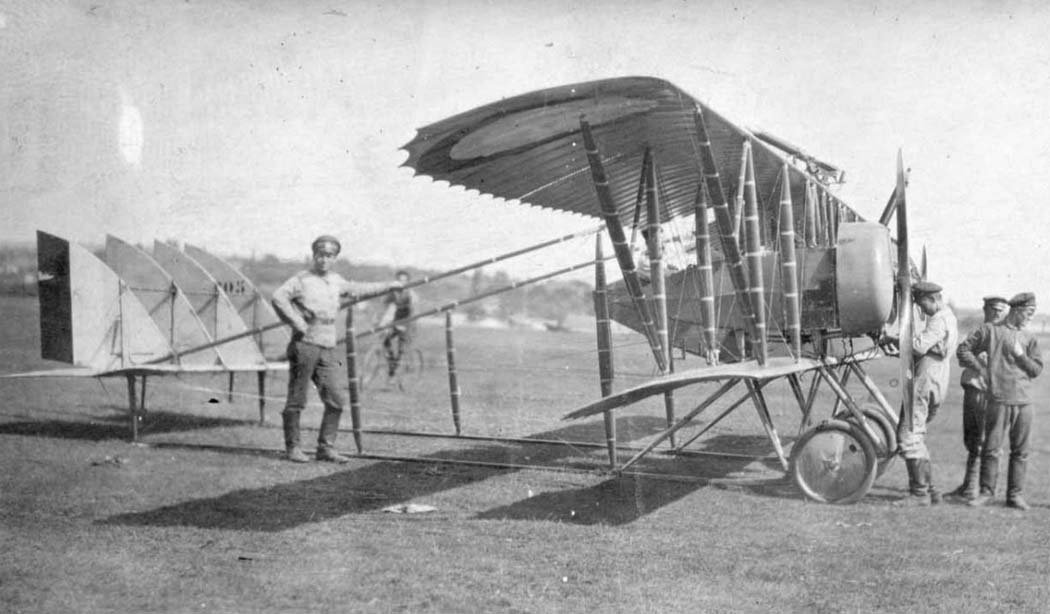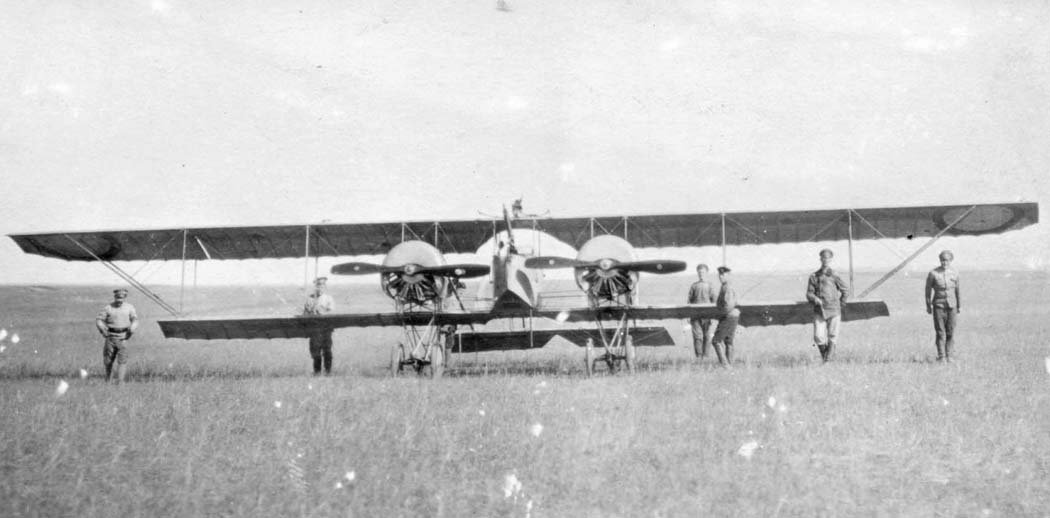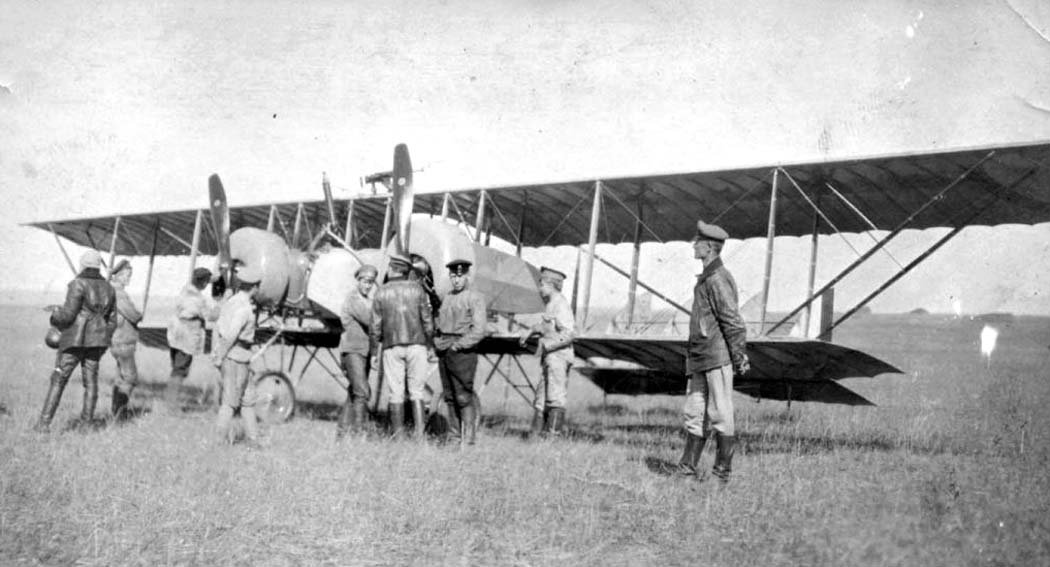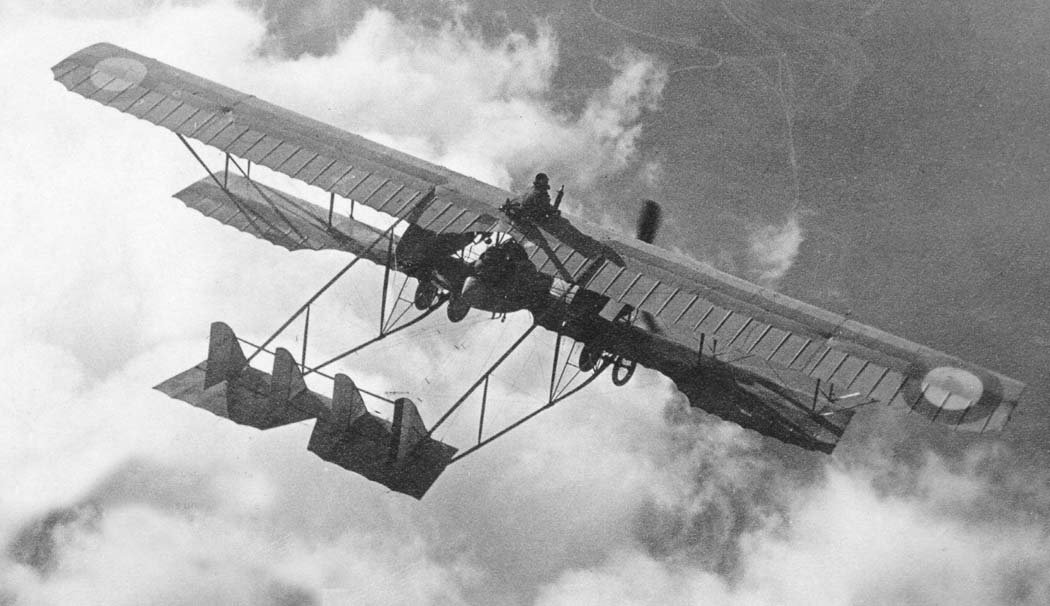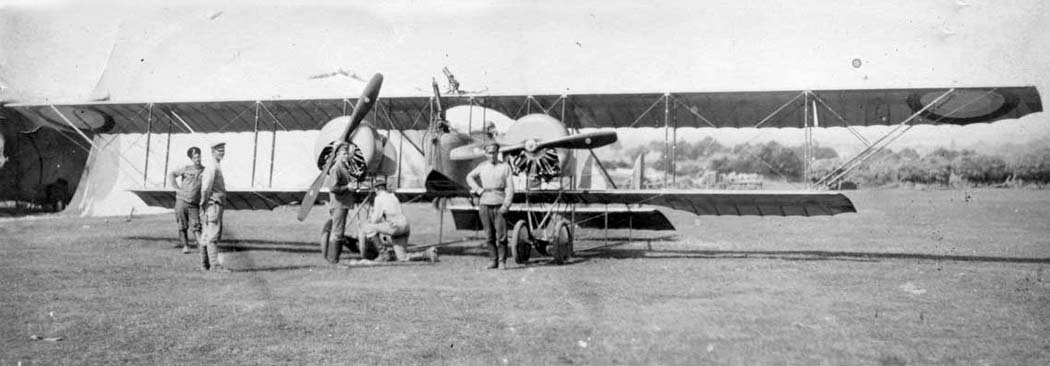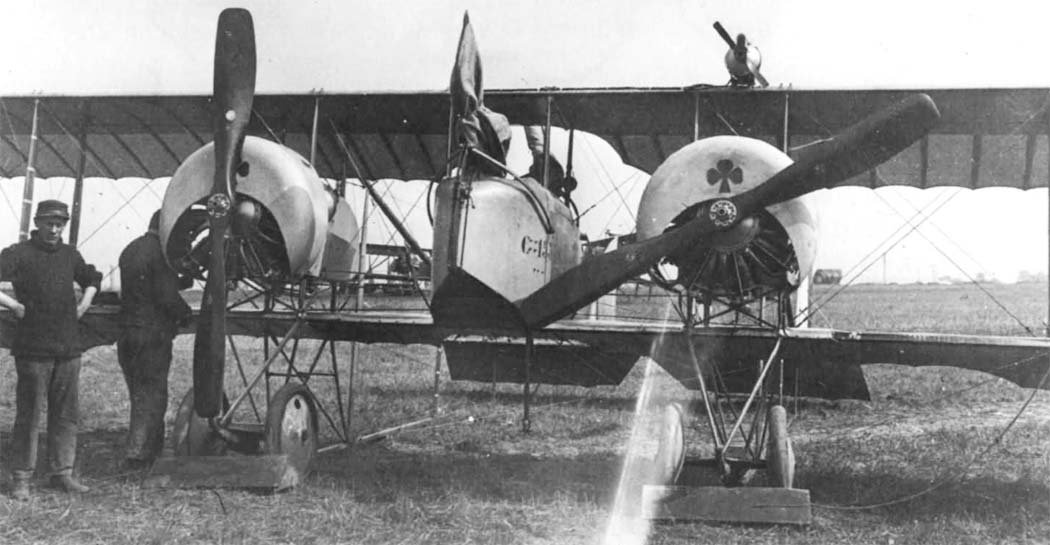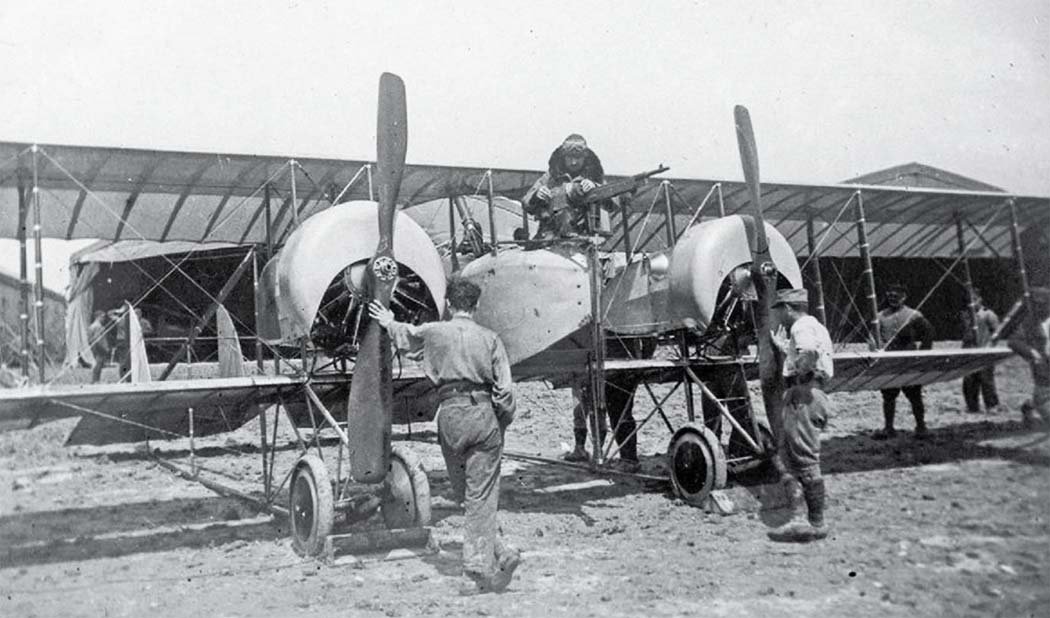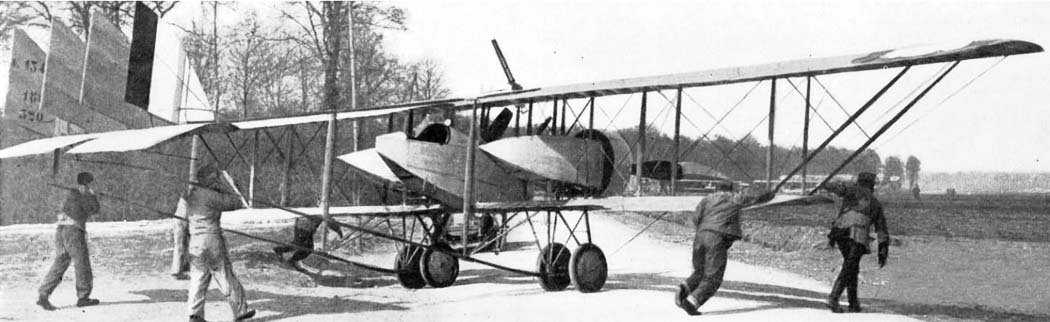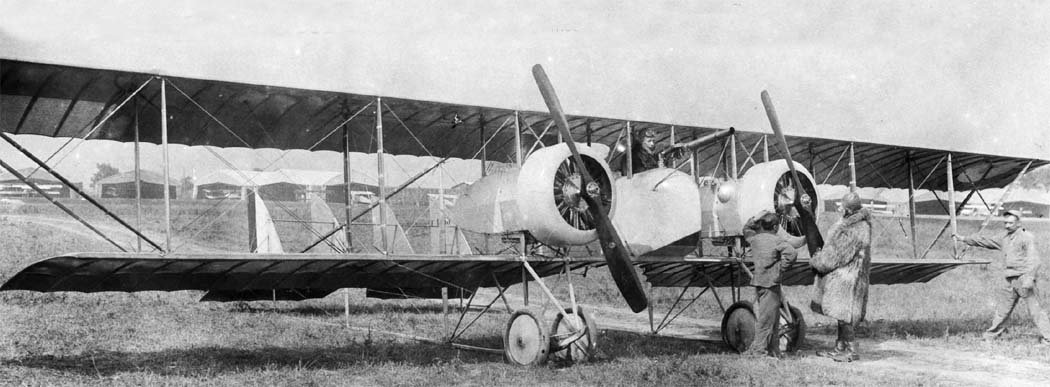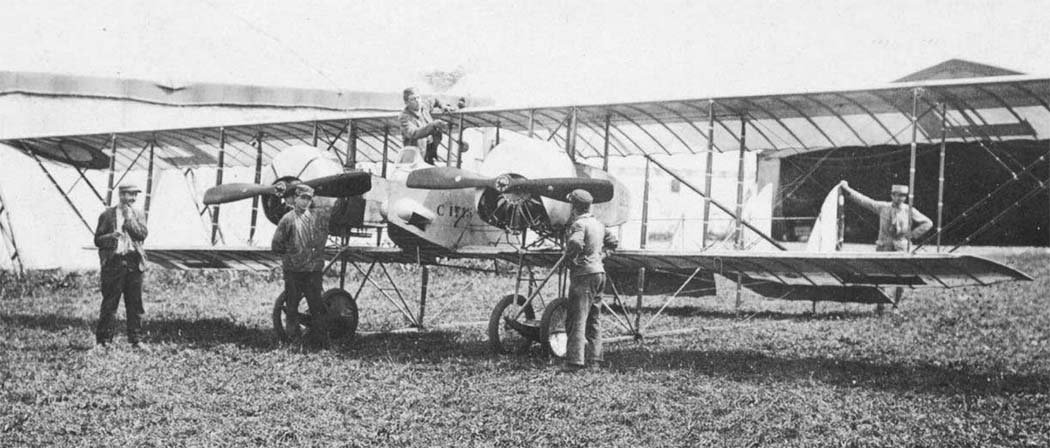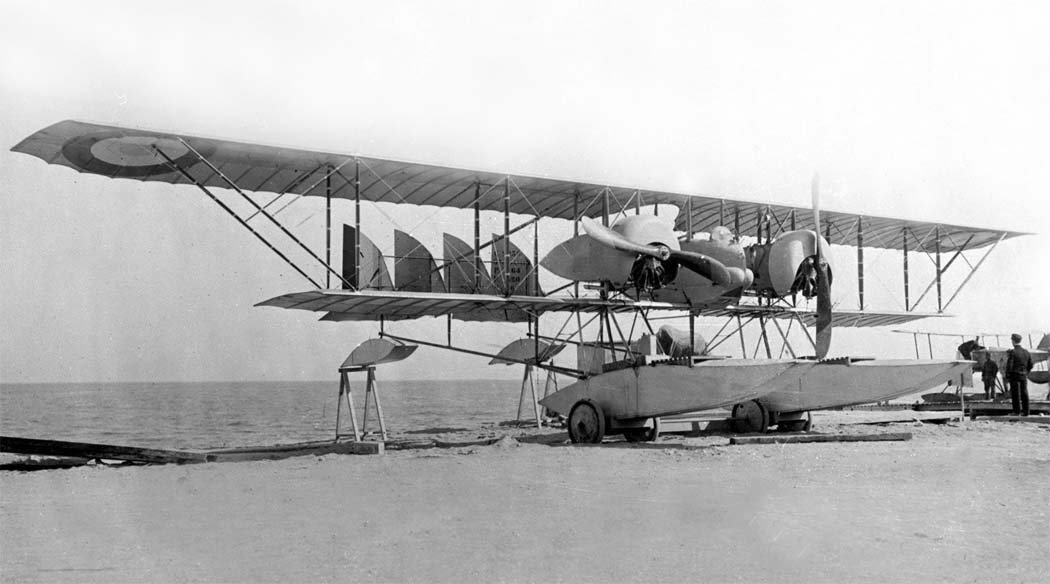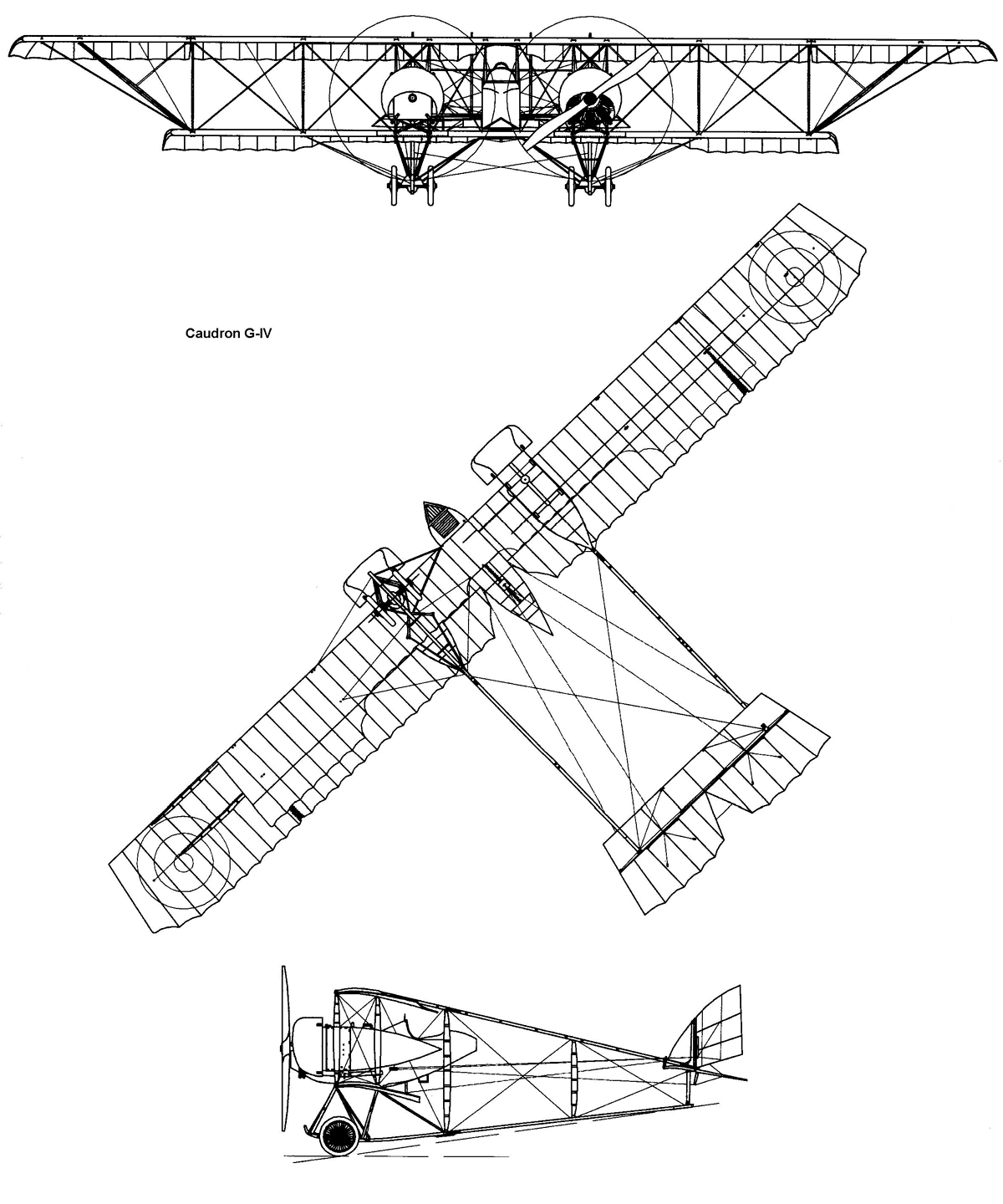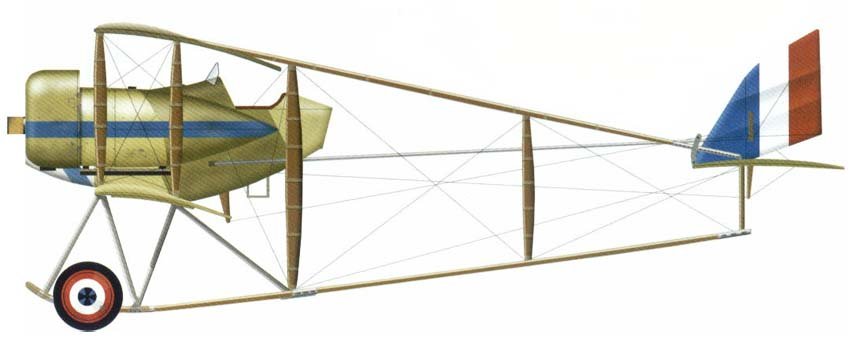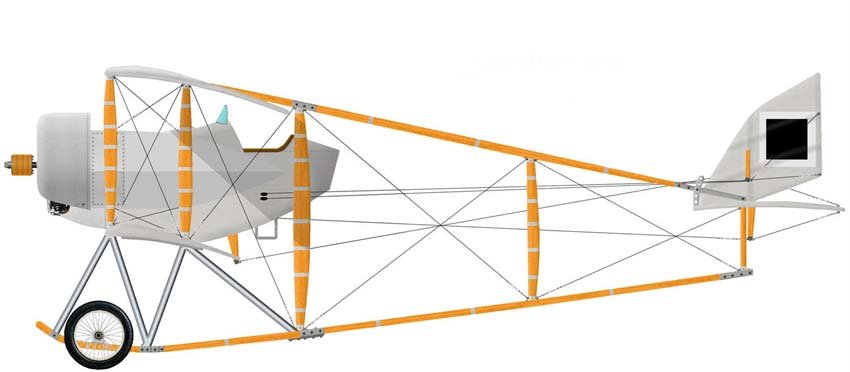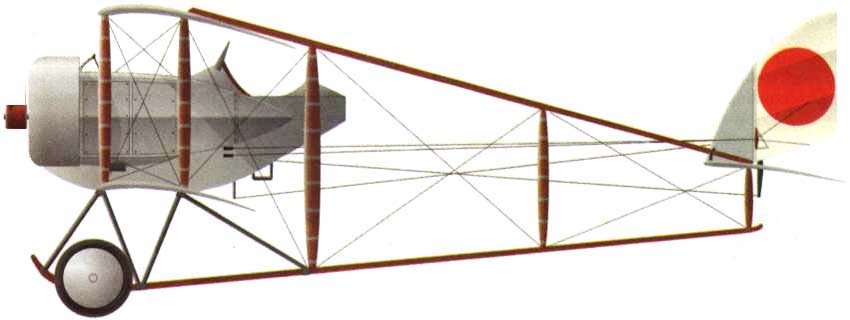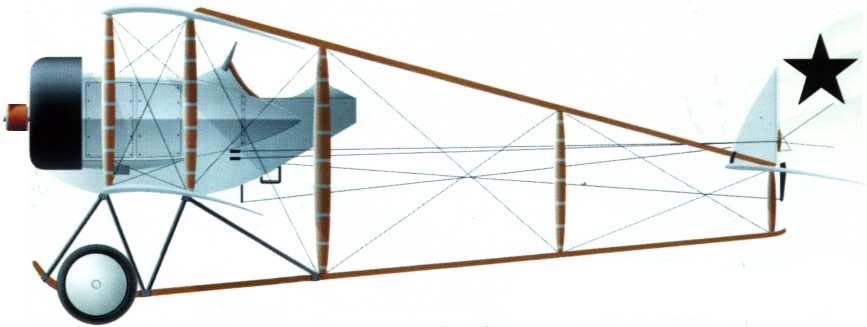
The inability to install effective defensive armament on the Caudron G.3 and its incapacity to carry bomb loads led to the development of the twin-engine Caudron G.IV, first presented in March 1915. Its layout was similar to its predecessor, but it featured an enlarged wingspan, a twin-section rudder tail, and two engines mounted on struts between the wings.
The aircraft was equipped with 80 hp Le Rhone rotary engines, enclosed in horseshoe or circular cowlings, or uncowled 100 hp Anzani radial engines. The short crew nacelle had a position for a gunner-observer in the nose, but the field of fire was limited due to the proximity of the engines. Nevertheless, the engines’ placement near the fuselage allowed for relatively easy control of the aircraft if one failed.
Pioneering Design and Early Service
Good climb rate figures, increased payload, and very high reliability indicated the aircraft’s enhanced capabilities compared to machines already in Allied service. This led to large orders for the serial production of the G.4. Two variants were built: the Cau 4 B.2 day bomber and the Cau 4 A.2 aircraft for reconnaissance and artillery fire adjustment.
The G.4 biplane entered service with the French military aviation in November 1915, becoming the first mass-produced twin-engine Allied combat aircraft. It played a major role in bombing raids behind the front line, reaching the Rhine lands. However, increasing losses in flying units in the summer of 1916 led to the G.4 B.2 being withdrawn from frontline units in the autumn of the same year.
Widespread Adoption and Combat Roles
Total production of the G.4 in France amounted to 1358 aircraft. England’s Royal Naval Air Service acquired 55 aircraft of this type. Flying in 1916 and early 1917 with No.4 and No.5 air wings, they were used for attacks on German seaplanes and airships based in Belgium. However, in autumn 1917, G.4 aircraft were replaced by Handley Page 0/100.
The Italian Air Force also received G.4 aircraft. In Italy, they flew in the mountainous regions of the Alps, where they demonstrated good climb rates and suitability for high-altitude flight, often in adverse weather conditions. During the war, this aircraft set several national altitude records in Italy. Caudron G.4 aircraft were also supplied to the Imperial Russian Aviation and used as reconnaissance aircraft.
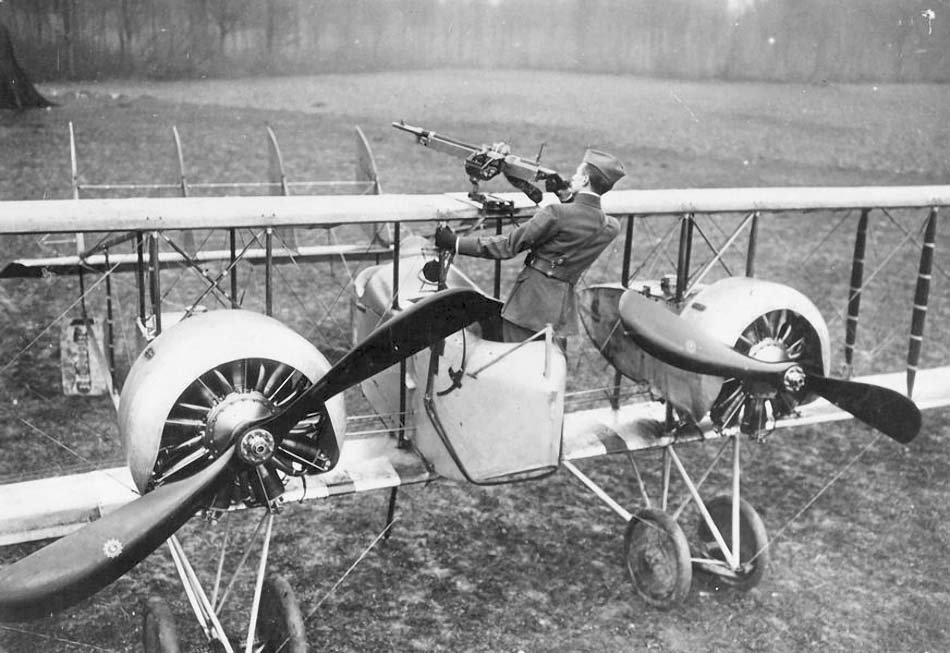
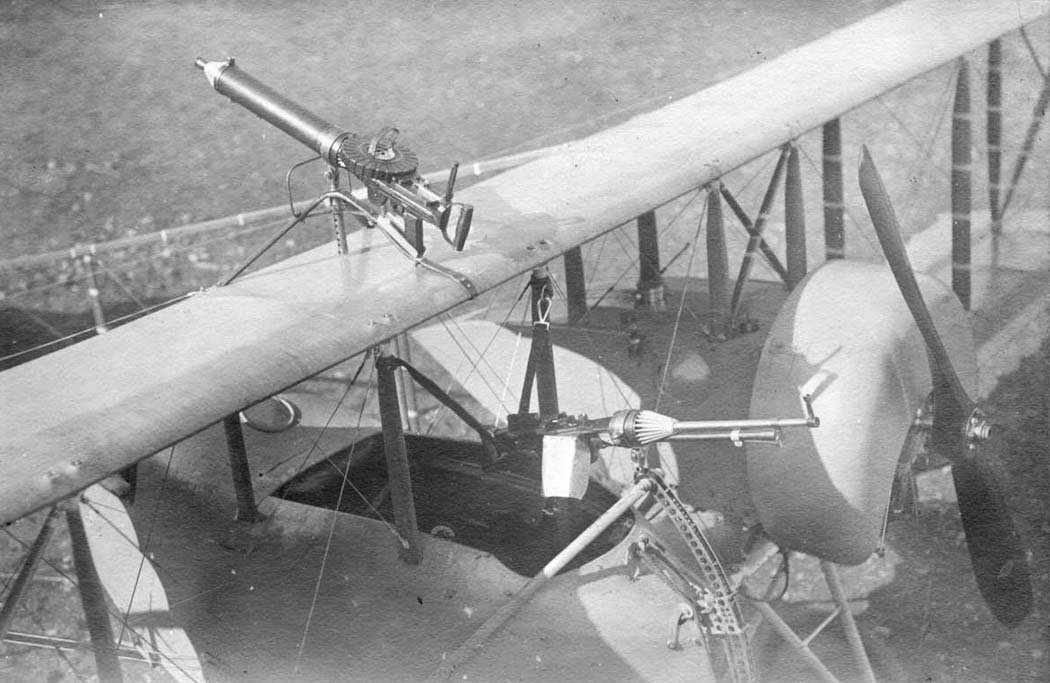
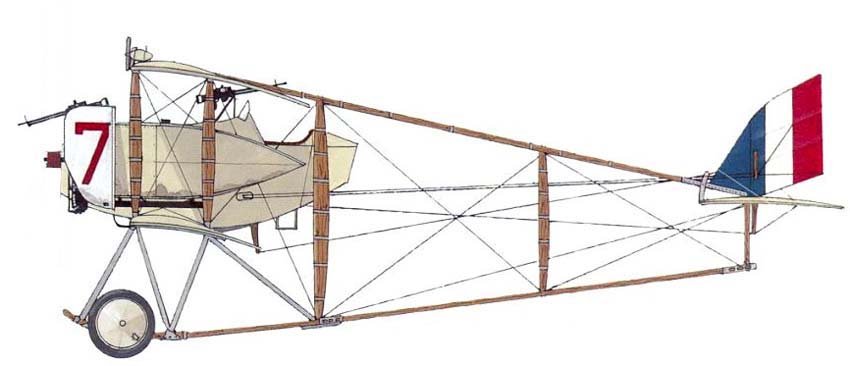
In addition to a 7.7 mm Lewis or Vickers machine gun located in the front cockpit, some G.4 aircraft were fitted with a second machine gun above the center section of the upper wing for firing into the rear hemisphere. Unfortunately, using the second machine gun was difficult, as the gunner had to stand upright in the cockpit. The bomb load for the G.4 B.2 variant was 100 kg, and some G.4 A.2 aircraft featured radio communication.
Before the end of the First World War, G.4s were withdrawn from the front and used as training aircraft. Ten such machines were purchased in France by the US Army Air Corps in early 1918 for the same purposes. Thanks to its high flight characteristics, the G.4 earned a good reputation. Several hundred aircraft were sold to private owners and flying clubs in France and Italy.
Technical Specifications
| Modification | G.IV B.2 |
| Wingspan, m | 17.20 |
| Length, m | 7.20 |
| Height, m | 2.60 |
| Wing area, m2 | 36.80 |
| Empty weight | 500 |
| Normal takeoff weight | 1330 |
| Engine type | 1 Piston engine Le Rhone 9C |
| Power, hp | 1 x 80 |
| Maximum speed, km/h | 132 |
| Cruising speed, km/h | 114 |
| Flight endurance, h | 3.30 |
| Service ceiling, m | 4300 |
| Crew, crew members | 2 |
| Armament: | one or two 7.7-mm machine guns, bomb load – 100 kg |
Image gallery of the Caudron G.IV