 ReconnaissanceES
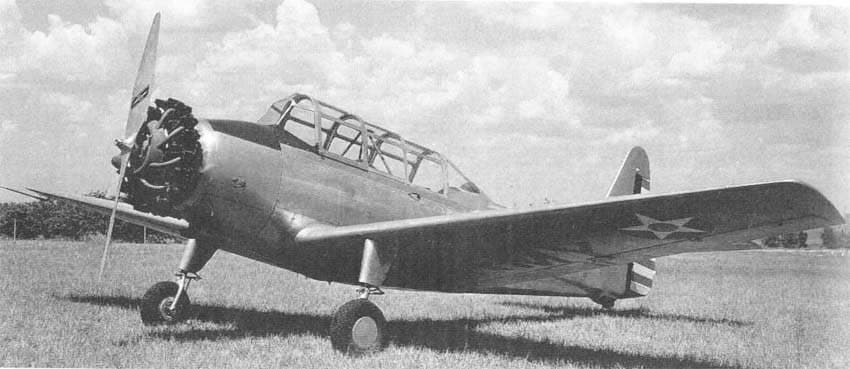
Stearman XBT-17
Descubre el Stearman XBT-17, un entrenador experimental estadounidense de los años 40. Conoce su evolución desde el X-90/X-91 y su rechazo por la USAAF.
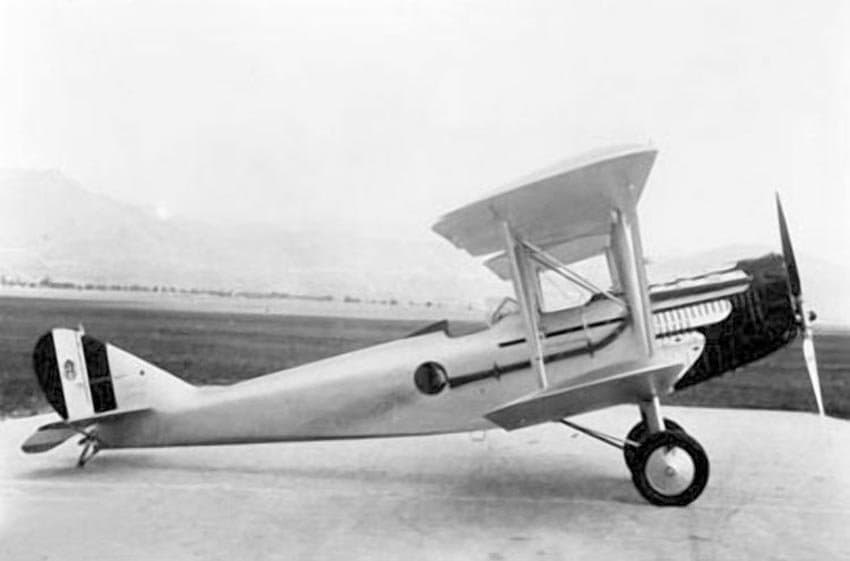
In 1931, the Italian Ministry of Aeronautics (Ministero dell’Aeronautica) issued requirements for a second-year training aircraft for the flight schools of the Regia Aeronautica. Cantieri Aeronautici e Navali Triestini (CANT) undertook the development of an aircraft to meet these specifications. Engineer Raffaele Conflenti was appointed project leader.
In the same year, the first prototype of the CANT 36 trainer was built and made its maiden flight on June 1. It was a two-seat wooden biplane with V-struts, powered by a 250 hp (184 kW) Isotta Fraschini Asso 200 water-cooled six-cylinder engine. For the training of fighter pilots, the aircraft could be fitted with one forward 7.7mm machine gun and another identical machine gun on a turret in the rear cockpit.
The sole CANT 36 successfully passed military trials and was transferred to one of the Regia Aeronautica flight schools, where it was assigned serial number MM.148. The aircraft did not receive further development. The CANT 36 trainer was used by the military until the summer of 1941, when it was disassembled due to obsolescence.
| Modification | CANT 36 |
| Wingspan, m | 10.50 |
| Length, m | 8.50 |
| Empty weight | 950 |
| Engine type | 1 Piston engine Isotta Fraschini Asso 200 |
| Power, hp | 1 x 250 |
| Maximum speed, km/h | 210 |
| Cruising speed, km/h | 185 |
| Service ceiling, m | 5600 |
| Crew, crew members | 2 |
| Armament | possible installation of two 7.7-mm machine guns |
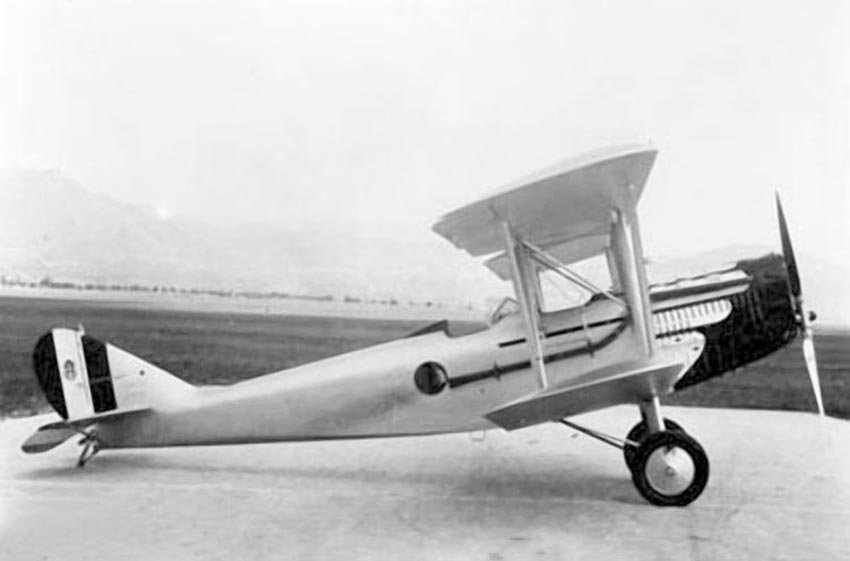 CANT 36 |
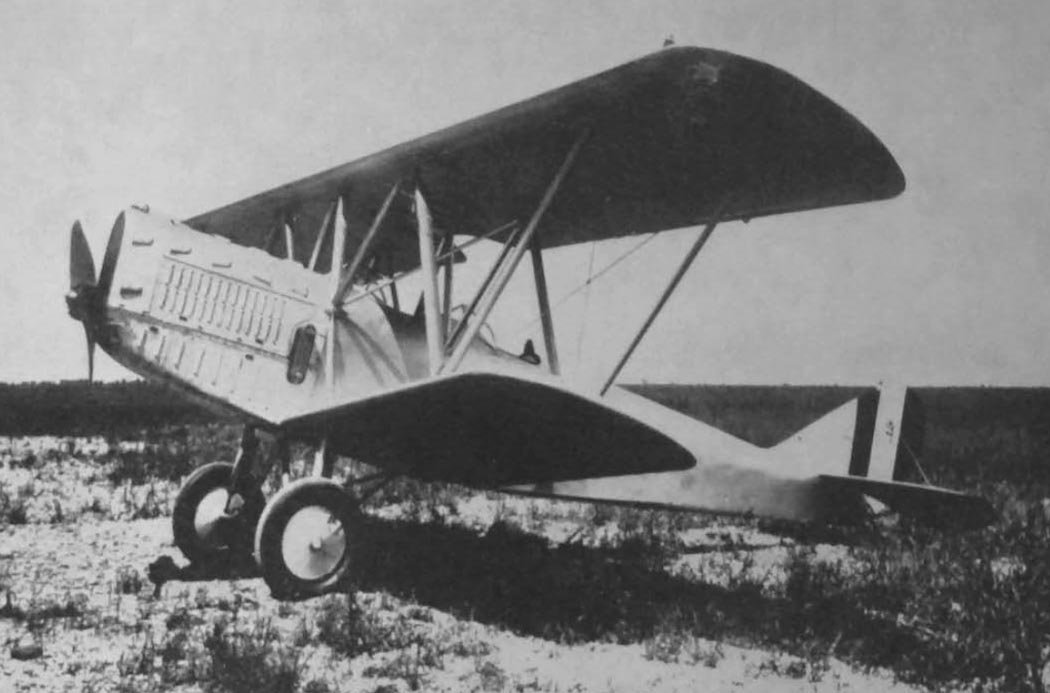 CANT 36 |
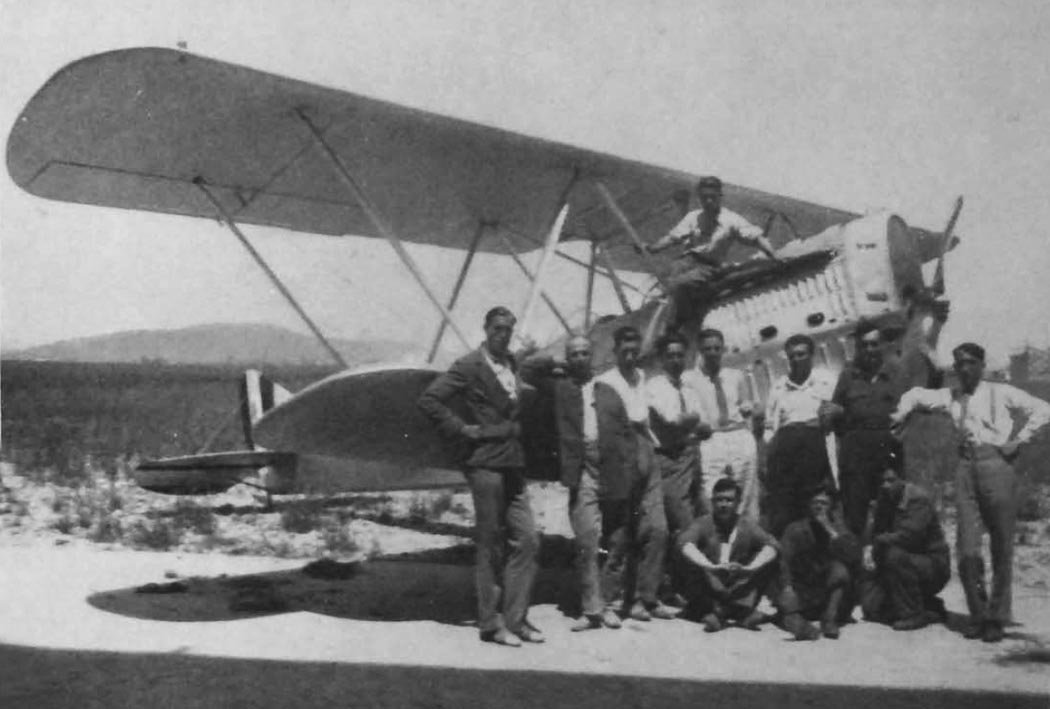 CANT 36 |
A group of aviation researchers and enthusiasts dedicated to documenting and preserving global aeronautical history. All articles are reviewed to ensure historical accuracy.
The information presented in this technical sheet has been compiled from declassified flight manuals, historical archives, and specialized literature. While we strive for maximum accuracy, some performance data may vary depending on the specific variant or operational conditions.
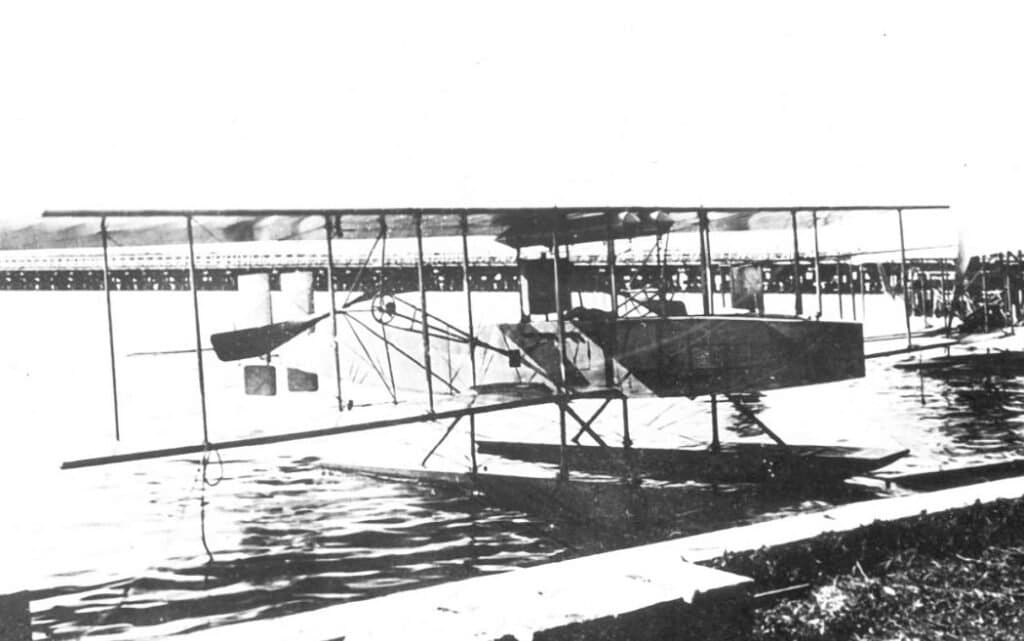
ReconnaissanceESDescubre el Stearman XBT-17, un entrenador experimental estadounidense de los años 40. Conoce su evolución desde el X-90/X-91 y su rechazo por la USAAF.
 ReconnaissanceES
Descubre el Burgess I Scout, el innovador hidroavión de reconocimiento de 1912 con el primer radiotransmisor bidireccional del Ejército de EE. UU.
 ReconnaissanceES
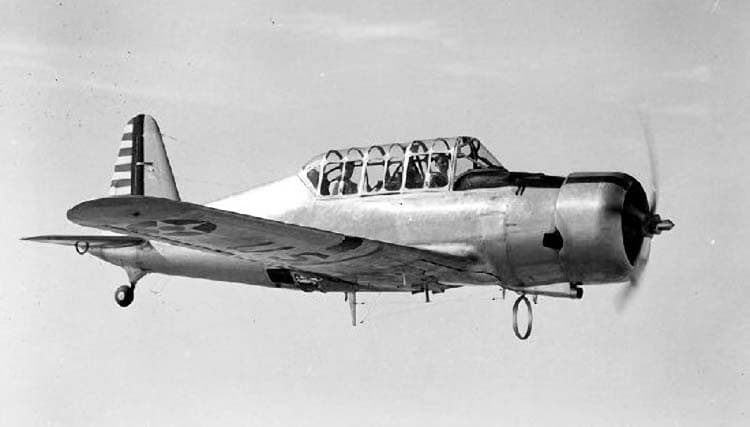
Descubre el Vultee BT-13 Valiant, la espina dorsal del entrenamiento de pilotos en la Segunda Guerra Mundial. Conoce su diseño, variantes y papel vital.
 ReconnaissanceES
Descubre el Bristol Type 148, el avión británico multipropósito de 1935 para reconocimiento y apoyo. Conoce su diseño, armamento y fase de prototipos.