Development and Origins
Following the failure of the CLE.12, Ernst von Loessl, chief designer at Hanseatische Flugzeugwerke Karl Caspar AG, undertook the development of a modernized version of the light transport aircraft CLE.11. This initiative aimed to refine previous company designs and introduce a more efficient solution.
Construction and Features
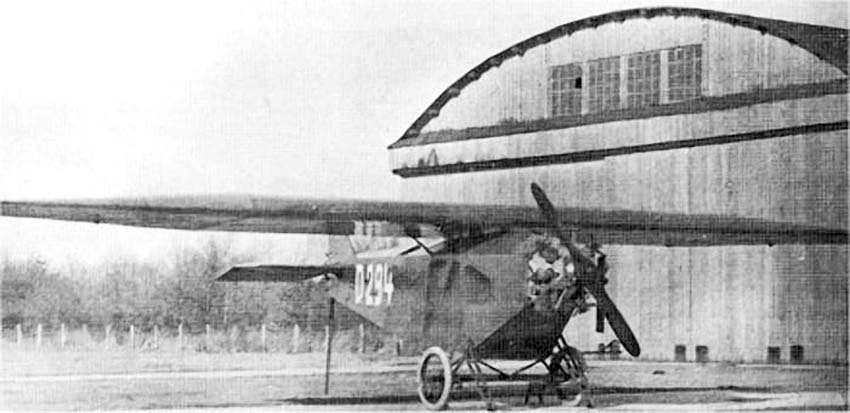
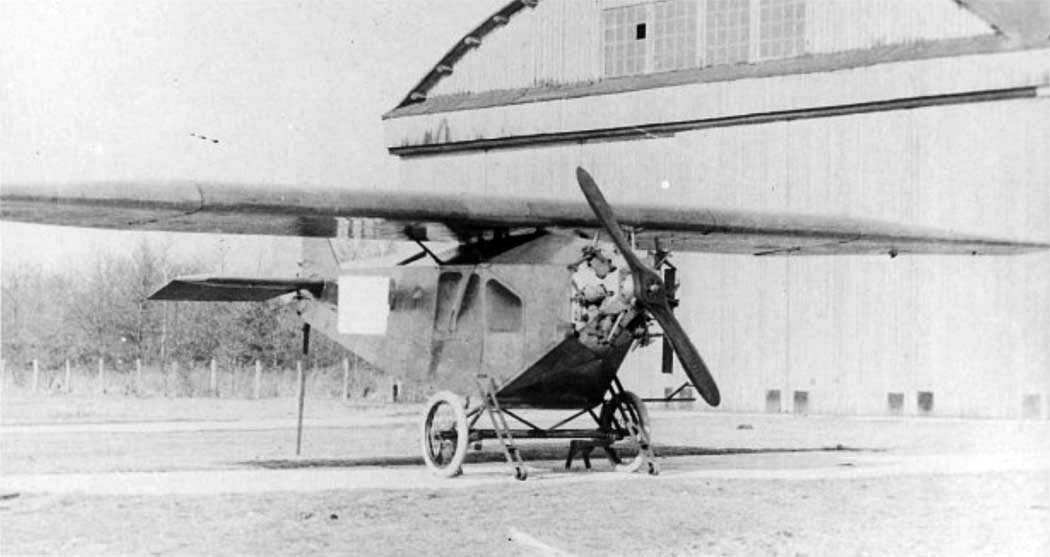
The sole example of this aircraft, designated CLE.16, was built in 1924 and retained the registration number D-294 from its predecessor. Its primary distinguishing feature was the inclusion of a three-seat passenger cabin, enhancing both capacity and comfort.
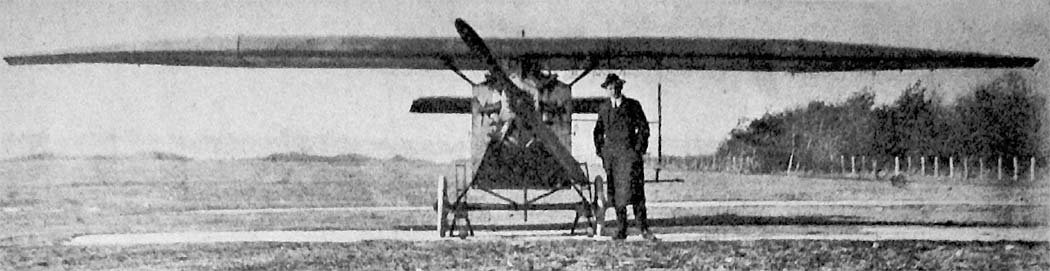
The CLE.16 was a four-seater, wooden high-wing monoplane. It was powered by an 80 hp Siemens Sh 5 engine, intended to provide a balance of power and efficiency for its transport role. Despite its features, the aircraft ultimately failed to secure any orders.
Technical Specifications
| Modification | CLE.16 |
| Wingspan, m | 12.00 |
| Length, m | 6.72 |
| Height, m | 2.20 |
| Wing area, m2 | 19.00 |
| Empty weight | 450 |
| Normal takeoff weight | 830 |
| Engine type | 1 Piston engine Siemens Sh 5 |
| Power, hp | 1 x 80 |
| Maximum speed, km/h | 130 |
| Cruising speed, km/h | 105 |
| Practical range, km | 480 |
| Service ceiling, m | 3000 |
| Crew, crew members | 1 |
| Payload | up to 3 passengers |
Image gallery of the CLE.16